
Mortgage Rates Hit Six-Month High as Housing Market Stalls
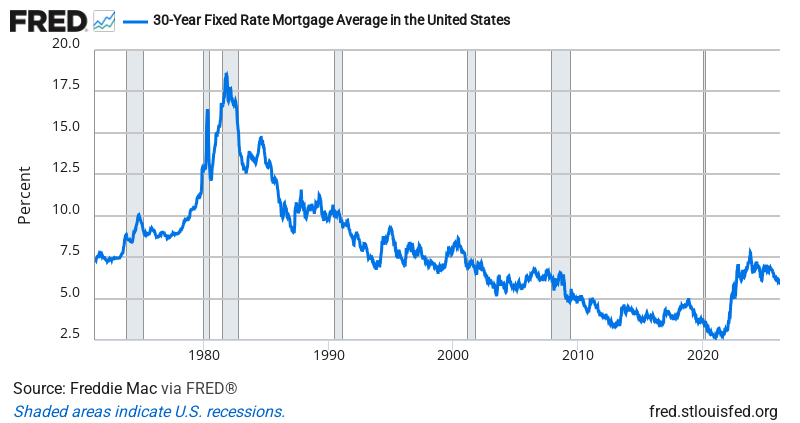
Mortgage rates jumped to 6.11% this week — their highest level since September — after bouncing around the 6% mark for the past month. That’s an 11 basis point spike from last week’s 6.0%, and it pushes rates back above the psychological barrier that many housing economists say separates a functioning market from a frozen one.
Here’s the puzzle: rates have been volatile but essentially flat since early February, yet housing activity continues to crater. February existing home sales dropped 4.6% month-over-month, and new construction permits are down 25% from their 2021 peaks. The issue isn’t just that rates are high — it’s that they’re stuck high. Potential buyers keep waiting for the drop that isn’t coming, while sellers refuse to give up their 2-3% mortgages from the pandemic era. This creates what economists call a “lock-in effect,” where both sides of the market freeze up. The result: home sales volumes that look more like 2008 than a normal economic expansion.
Professional real estate investors are watching this dynamic closely because it signals where capital is flowing — or more accurately, where it’s not flowing. When mortgage rates stay elevated, residential investment typically shifts toward rentals and commercial properties. Many portfolio managers are eyeing REITs and rental-focused housing stocks as the “for-sale” market remains essentially locked up.
Bottom Line: Six percent mortgages aren’t historically extreme, but in a market where millions of homeowners have loans at half that rate, they might as well be. Until something breaks this standoff, housing stays frozen.
Source: Federal Reserve Economic Data (FRED)
ON1010.com provides economic education for investors. Nothing here is investment advice. Always consult a qualified financial advisor before making investment decisions.
Free Research
The economy moves fast. We make sure you move faster.
Economic data, policy shifts, and market signals — delivered to your inbox.
Subscribe Free