
Unemployment Stays Frozen at 4.3% — But the Calm Might Be Deceiving
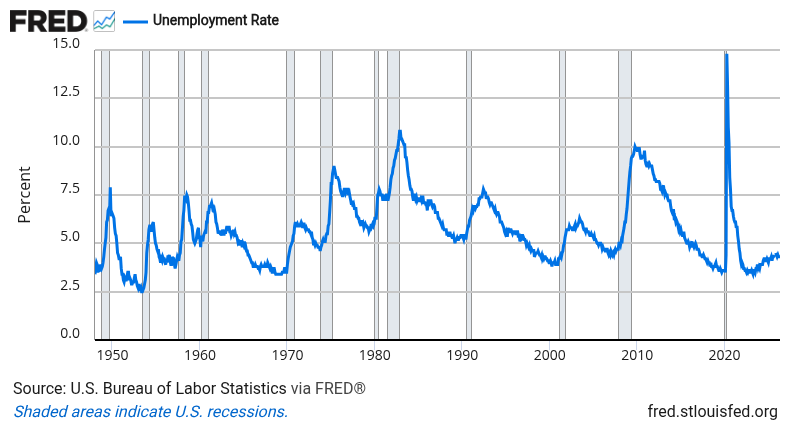
The unemployment rate held steady at 4.3% in May, marking the fourth straight month at that level after a brief tick higher earlier this year. On paper, it’s the picture of labor market stability. In practice, this kind of flatline often masks bigger shifts brewing beneath the surface.
Here’s what’s telling about this stretch: unemployment rates don’t usually hover in such a tight band for months unless something fundamental has changed about labor market dynamics. Either we’ve hit a new equilibrium where job creation perfectly matches workforce growth, or we’re in the eye of the storm before a bigger move. The historical pattern suggests the latter is more common — sustained periods of ultra-stable unemployment tend to precede meaningful breaks in either direction.
This stability coincides with corporate profit margins showing signs of compression across multiple sectors, which typically leads hiring managers to pump the brakes before unemployment actually starts climbing. The 4.3% level also sits right at the point many Fed officials consider “full employment” — not low enough to trigger wage-price spirals, but not high enough to justify emergency stimulus.
Many professional investors use periods like this to position for volatility rather than trend. When unemployment flatlines for months, it often signals that the next move — whether higher or lower — could be more dramatic than markets expect. Historically, this type of environment has led investors to look at defensive sectors and volatility hedges rather than making big directional bets on growth or value.
Bottom Line: A unemployment rate that won’t budge isn’t boring — it’s a coiled spring. The question isn’t whether it’ll break from this range, but when and which direction it breaks first.
Source: Federal Reserve Economic Data (FRED)
ON1010.com provides economic education for investors. Nothing here is investment advice. Always consult a qualified financial advisor before making investment decisions.
Free Research
The economy moves fast. We make sure you move faster.
Economic data, policy shifts, and market signals — delivered to your inbox.
Subscribe Free