
Bitcoin’s Bond Problem: Why Risk Assets Can’t Escape Rising Yields
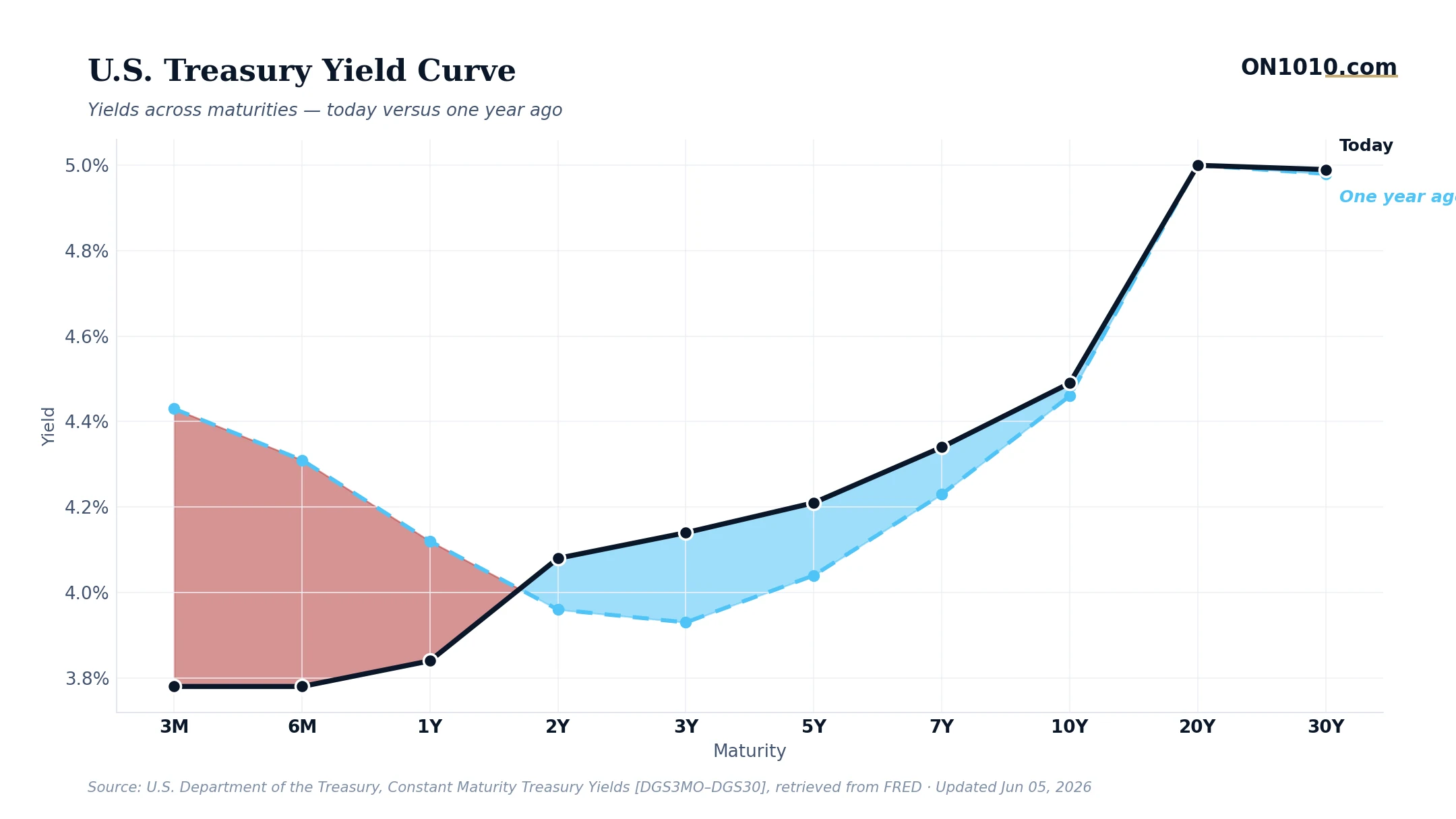
According to CNBC, Bitcoin plunged to its lowest level since October 2024, capping a brutal week that accelerated after Friday’s stronger-than-expected jobs report pushed yields higher and pressured risk assets. The cryptocurrency’s decline highlights a fundamental shift in how digital assets respond to traditional monetary forces.
The mechanism here is straightforward but powerful: when payrolls surge (159 million jobs as of May, continuing robust expansion), bond investors demand higher compensation for holding fixed-rate debt in an environment where the Fed might keep rates elevated longer. As yields rise, assets that pay no dividend or interest, like Bitcoin, become relatively less attractive. Money flows toward guaranteed returns rather than speculative appreciation.
What makes this selloff particularly revealing is the correlation breakdown. Bitcoin was supposed to be digital gold, uncorrelated with traditional markets during stress. Instead, it’s trading like a high-beta tech stock, falling when growth expectations create inflation fears. The Strait of Hormuz crisis has oil near $95, adding another inflation layer that makes the Fed’s job harder and yield curves steeper.
Historically, investors have treated cryptocurrency as either an inflation hedge or a risk asset, but rarely both simultaneously. The current environment forces that choice: if Bitcoin is an inflation hedge, it should rally with oil. If it’s a risk asset, it should fall with rising real rates. The market is clearly voting for the latter interpretation.
This creates an interesting puzzle for portfolio construction. Risk assets are rotating hard into technology (up 12% versus the S&P 500 recently), suggesting investors still want growth exposure, just not the kind without earnings or cash flows.
Bottom Line: When yields rise faster than inflation expectations, even “alternative” assets get pulled back into traditional finance gravity.
Read more: CNBC Top News
ON1010 Research is an independent publisher of economic education and is not a registered investment adviser, broker-dealer, or investment company. This content is for educational and informational purposes only and is not investment advice or a recommendation to buy, sell, or hold any security. Published under the publisher exemption recognized by Section 202(a)(11)(D) of the Investment Advisers Act of 1940 (Lowe v. SEC). Always consult a qualified financial professional before making any financial decision.
Free Research
The economy moves fast. We make sure you move faster.
Economic data, policy shifts, and market signals — delivered to your inbox.
Subscribe Free