
China’s Price Data Just Flashed a Warning Sign That Has Nothing to Do With China
Here is the twist most people are missing this morning: China’s latest inflation data looks like a domestic story, but it is actually a leading indicator for what lands on American factory floors next.
China’s consumer prices weakened in June while producer prices jumped to a near four-year high. That gap matters. When Chinese producers are paying more to make things but consumers there are not absorbing those costs, the pressure has to go somewhere. Often, it goes into export prices, and eventually into the cost of goods flowing into the U.S.
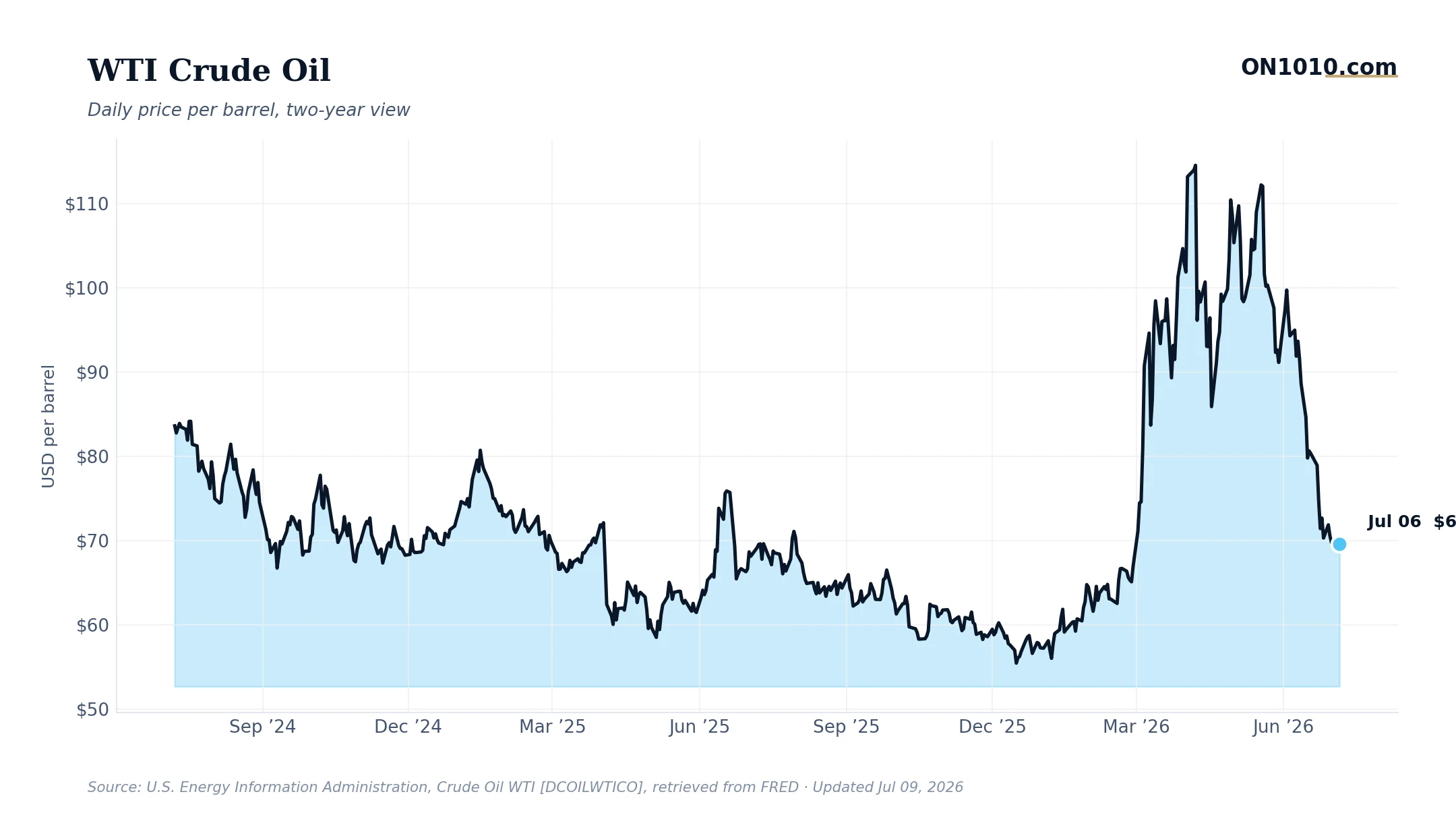
Meanwhile, markets are sending a mixed signal. The S&P 500 closed at 7,482, the Dow fell 576 points, and small caps (Russell 2000) dropped 0.88%. But the Nasdaq edged up 0.20%, and gold climbed $43.50 to $4,114. Health Care and Financials are leading sector rotation in recent sessions, both outpacing the broader market. That is not the positioning you see when everyone feels comfortable.
The 10-year Treasury sits at 4.55% against a 2-year at 4.19%, a 35-basis-point positive spread. The 10-year breakeven inflation rate is 2.25%, meaning bond markets are not panicking about inflation yet, but they are watching closely.
On deck today: watch for any fresh trade or tariff commentary, which now sits directly on top of the China price story.
If Chinese producer costs are quietly exporting inflation into global supply chains, the Fed’s next move becomes a lot harder to call.
The deeper read on what this cycle means for capital allocation and margins lands Sunday in The Long View. It is free, and it connects the dots that daily headlines miss.
ON1010 Research is an independent publisher of economic education and is not a registered investment adviser, broker-dealer, or investment company. This content is for educational and informational purposes only and is not investment advice or a recommendation to buy, sell, or hold any security. Published under the publisher exemption recognized by Section 202(a)(11)(D) of the Investment Advisers Act of 1940 (Lowe v. SEC). Always consult a qualified financial professional before making any financial decision.
Free Research
The economy moves fast. We make sure you move faster.
Economic data, policy shifts, and market signals — delivered to your inbox.
Subscribe Free