
Fed Finalizes Data Standards Rule: The Quiet Shift Toward Algorithmic Oversight
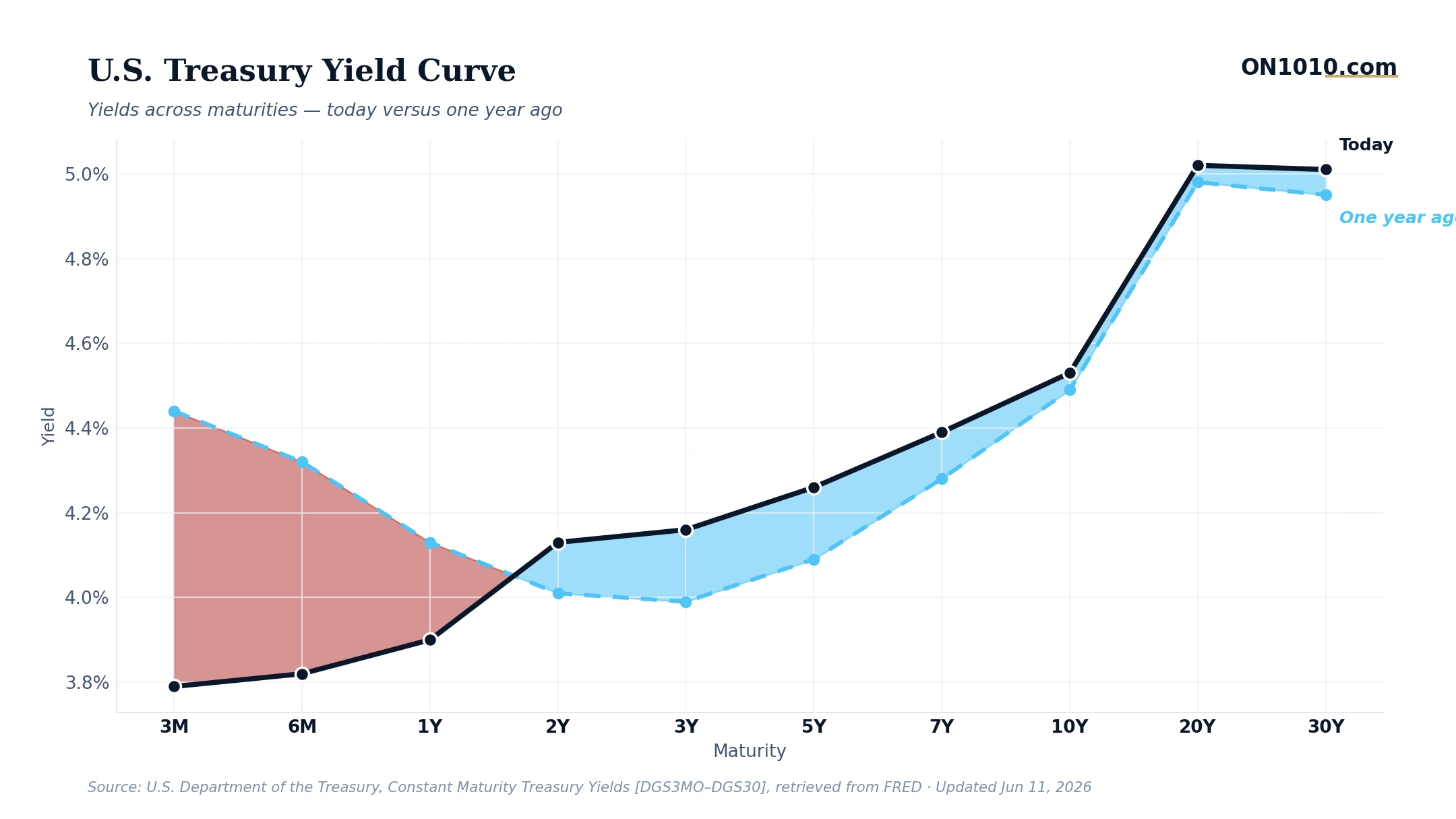
According to Federal Reserve Press Releases, the Fed announced its final rule establishing standardized data formats for certain regulatory information collections. While the announcement reads like bureaucratic housekeeping, this represents a fundamental shift in how financial oversight actually works, moving from periodic examinations to continuous algorithmic monitoring.
The Fed isn’t just asking for different spreadsheet formats. Standardized data collection enables real-time risk monitoring across the banking system, essentially creating a digital nervous system that can flag emerging problems before they cascade. Think about it: when Silicon Valley Bank collapsed in March 2023, regulators had all the warning signs in their quarterly reports but couldn’t process them fast enough to act. Standardized data feeds change that equation entirely.
This fits the broader pattern of regulatory agencies quietly building technological infrastructure while markets focus on rate decisions. The SEC’s similar data standardization push, combined with the Treasury’s real-time liquidity monitoring systems, suggests regulators learned painful lessons from recent banking stress. When capital allocation decisions happen at digital speed, oversight needs to match that pace.
The timing matters too. With defensive sectors outperforming growth by 3.4 percentage points over the past month and elevated volatility persisting, regulators are clearly preparing for the next crisis while this one plays out. Standardized data collection becomes especially valuable during periods like the current energy shock, when traditional risk models break down and manual oversight lags dangerous market moves.
Historically, investors have viewed regulatory technology buildouts as long-term headwinds for bank profitability, more compliance costs, faster regulatory responses to emerging risks. But the flip side is potentially fewer systemic surprises and more predictable intervention patterns when stress does emerge.
Bottom Line: The Fed is building the plumbing for algorithmic oversight while everyone watches interest rates. When the next crisis hits, regulators want data flowing in real-time, not quarterly reports arriving months too late.
Read more: Federal Reserve Press Releases
ON1010 Research is an independent publisher of economic education and is not a registered investment adviser, broker-dealer, or investment company. This content is for educational and informational purposes only and is not investment advice or a recommendation to buy, sell, or hold any security. Published under the publisher exemption recognized by Section 202(a)(11)(D) of the Investment Advisers Act of 1940 (Lowe v. SEC). Always consult a qualified financial professional before making any financial decision.
Free Research
The economy moves fast. We make sure you move faster.
Economic data, policy shifts, and market signals — delivered to your inbox.
Subscribe Free