
Fed Holds Steady as Rate-Cut Cycle Slows to a Crawl
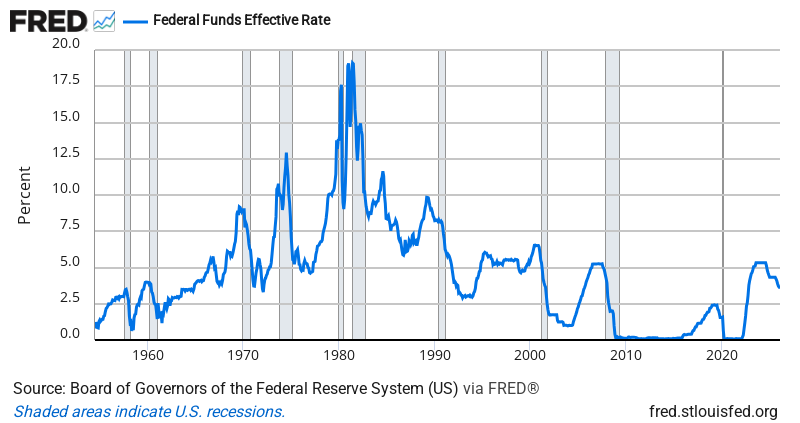
The Federal Reserve kept rates unchanged at 3.64% in February, marking the second straight month without a move after six consecutive cuts that began last fall. What started as an aggressive easing cycle—rates have fallen nearly 16% year-over-year—has suddenly hit the brakes.
This pause tells us something important: the Fed is getting cautious about how much stimulus the economy actually needs. After cutting rates from over 4.2% in September to the current 3.64%, policymakers are likely seeing enough economic resilience to justify a more measured approach. The rapid deceleration—from steady monthly cuts to dead stops—suggests they’re watching for signs that their medicine is working, or perhaps working too well.
Historically, when the Fed shifts from cutting aggressively to holding steady mid-cycle, it’s usually because growth is stabilizing and inflation risks are becoming more balanced. The question now is whether this pause marks the end of the easing cycle or just a tactical timeout before more cuts. With rates still nearly a full percentage point below where they started this cycle, the Fed has already delivered substantial stimulus.
Many professional investors view this type of “pause and assess” moment as a time to position for whatever comes next. If the economy proves resilient at these levels, rate-sensitive sectors like utilities and REITs may face headwinds. If growth falters, the Fed likely has more room to cut, which historically benefits longer-duration assets and growth stocks.
Bottom Line: The Fed’s sudden shift from aggressive cutter to patient observer suggests they’re seeing something in the economy worth waiting for—the question is whether it’s strength or weakness.
Source: Federal Reserve Economic Data (FRED)
ON1010.com provides economic education for investors. Nothing here is investment advice. Always consult a qualified financial advisor before making investment decisions.
Free Research
The economy moves fast. We make sure you move faster.
Economic data, policy shifts, and market signals — delivered to your inbox.
Subscribe Free