
Brazil Gets Hit With a 25% Tariff. Watch What That Does to Supply Chains Already Under Stress.
The U.S. just escalated trade policy in a direction most investors weren’t watching. While attention stayed locked on China and Europe, Washington quietly dropped a 25% tariff on most Brazilian goods, citing unfair trade practices. That is not a small move.
Brazil is a major supplier of agricultural commodities, steel, and manufactured goods. A 25% levy reshuffles costs for U.S. businesses that depend on those inputs, and it arrives at a moment when supply chains are still adapting to years of rewiring.
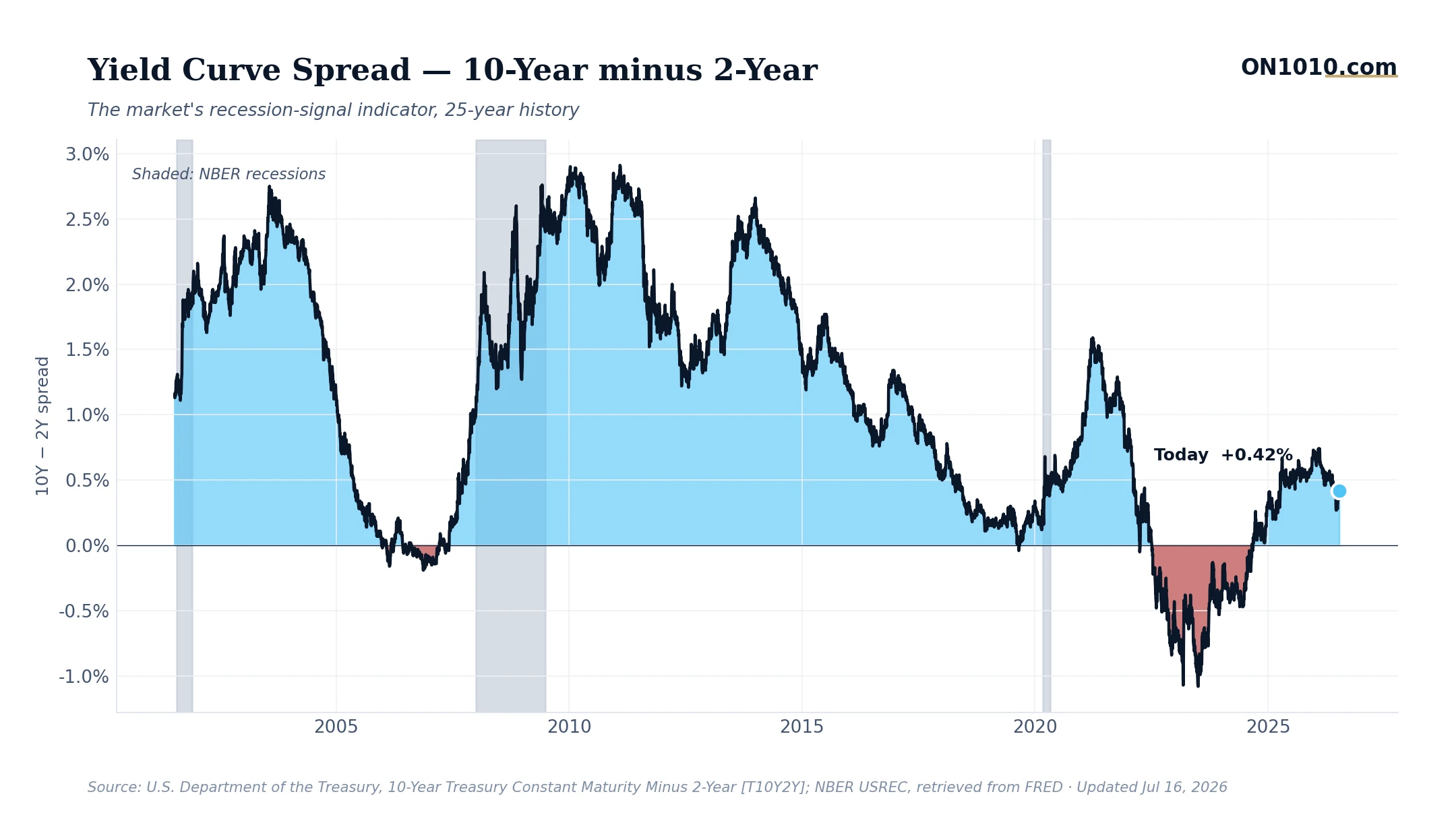
What moved: Stocks drifted higher Wednesday. The S&P 500 closed at 7,572, the Nasdaq gained 0.62%, and the Russell 2000 added 0.39%. Financials are the standout sector, running 4.4 percentage points ahead of the broader market, while technology lags by 3.6 points. The 10-year Treasury yield sits at 4.58%, with the VIX at 15.87, below its 20-day average of 16.95. Markets look calm on the surface, but the Brazil tariff is a fresh variable the bond market will have to price.
On deck today: Weekly jobless claims print this morning. Given that Treasury yields rose Wednesday as Wall Street waited on employment data, this number lands with more weight than usual.
Why it matters: Tariffs are cost increases for importing businesses. When input costs rise faster than companies can pass them through to customers, profit margins compress. That is the mechanism worth watching here, not the politics.
The deeper read on what today’s tariff shift means for the broader trade picture lands Sunday in The Long View. It is free, and worth five minutes of your weekend.
ON1010 Research is an independent publisher of economic education and is not a registered investment adviser, broker-dealer, or investment company. This content is for educational and informational purposes only and is not investment advice or a recommendation to buy, sell, or hold any security. Published under the publisher exemption recognized by Section 202(a)(11)(D) of the Investment Advisers Act of 1940 (Lowe v. SEC). Always consult a qualified financial professional before making any financial decision.
Free Research
The economy moves fast. We make sure you move faster.
Economic data, policy shifts, and market signals — delivered to your inbox.
Subscribe Free