
The Bank of England Held Rates Steady. The Word “Upside” Is the Part That Should Catch Your Eye.
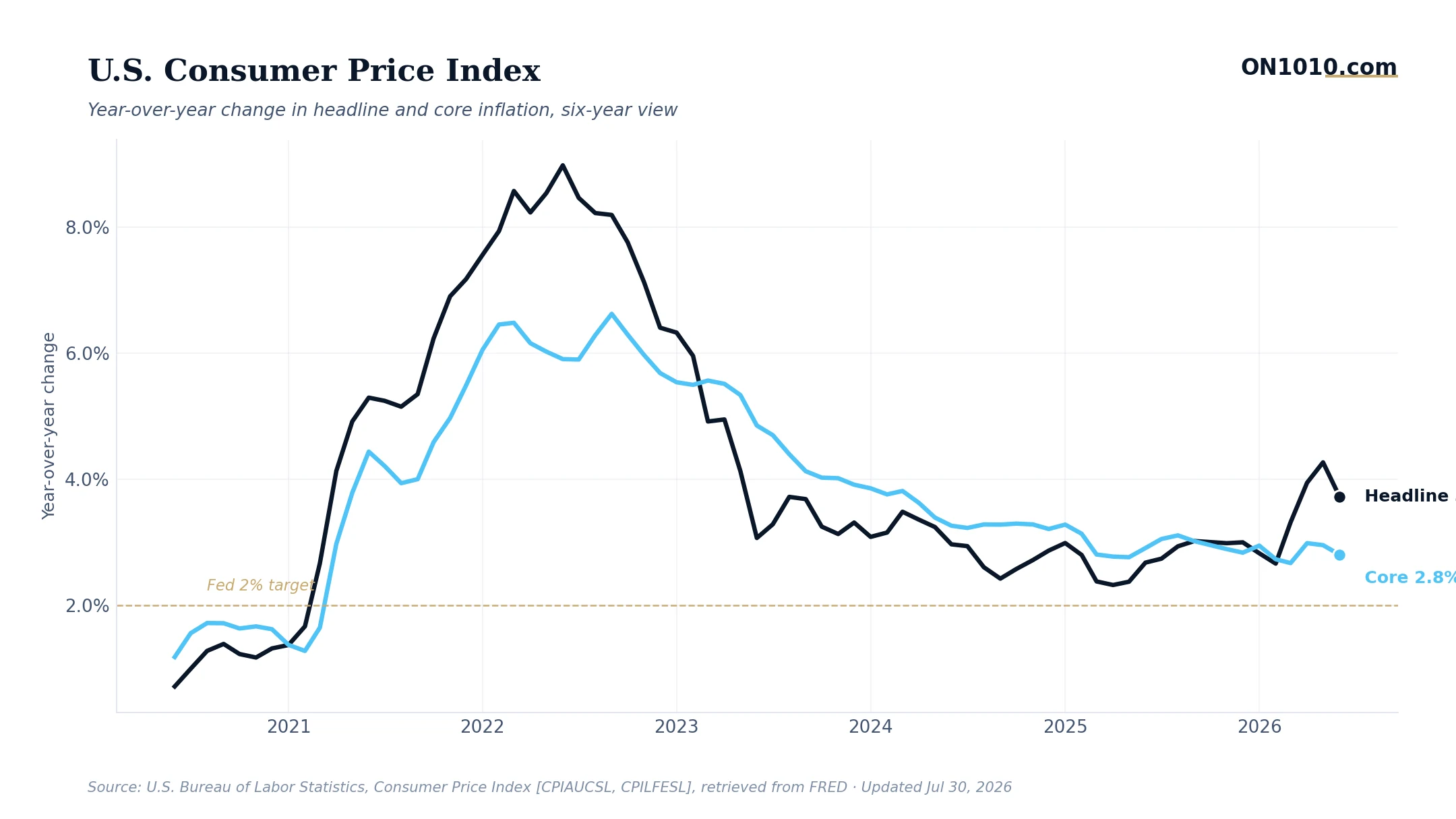
According to CNBC, the Bank of England held its benchmark interest rate at 3.75% on Thursday, a move that matched what economists expected. The hold itself is not the story. The language around it is.
When a central bank uses the phrase “upside inflation risk,” it is signaling something specific: the next surprise is more likely to push prices higher than lower. That is a very different message than “we’re on hold and watching.” It is the difference between a pause and a warning. And for anyone trying to read where U.K. borrowing costs go from here, that distinction matters enormously.
The U.K. sits in a genuinely uncomfortable spot right now. Growth is sluggish, but inflation has refused to behave. That combination, where the economy needs support but prices prevent it, is the hardest environment for a central bank to navigate. Cutting rates with upside inflation risk on the table is a credibility problem. Holding too long risks choking off whatever fragile recovery exists. Meanwhile, on the other side of the Atlantic, the Federal Reserve is sitting at a funds rate of 3.50% to 3.75%, meaning the two central banks are effectively parked at the same level despite very different economic conditions underneath. That convergence is worth watching. Capital flows toward where it is treated best, and rate differentials between major economies quietly drive currency moves, investment decisions, and cross-border capital allocation.
Historically, investors have watched central bank language shifts as leading indicators, often more carefully than the rate decisions themselves. A hold with hawkish language has tended to keep long-duration borrowing costs elevated even when short-term policy rates stay flat, because bond markets reprice the expected path forward, not just today’s decision. The question worth sitting with is whether the Bank of England’s inflation concern reflects a structural problem in the U.K. economy or a temporary pressure that will resolve on its own. Those two scenarios lead to very different outcomes for anyone with exposure to U.K. assets or pound-denominated cash flows.
Bottom Line: The Bank of England did not move rates, but it moved the goalposts. When policymakers flag upside inflation risk while holding steady, the market tends to do the tightening for them through longer-term yields.
Read more: CNBC Top News
ON1010 Research is an independent publisher of economic education and is not a registered investment adviser, broker-dealer, or investment company. This content is for educational and informational purposes only and is not investment advice or a recommendation to buy, sell, or hold any security. Published under the publisher exemption recognized by Section 202(a)(11)(D) of the Investment Advisers Act of 1940 (Lowe v. SEC). Always consult a qualified financial professional before making any financial decision.
Free Research
The economy moves fast. We make sure you move faster.
Economic data, policy shifts, and market signals — delivered to your inbox.
Subscribe Free