
Economic Wire: As Warsh’s Fed faces pressure to act on inflation, these ind
The Inflation Number Everyone’s Watching May Not Be the Right One
According to CNBC, trimmed mean inflation measures, which strip out the most extreme price moves in both directions, are showing inflation at its lowest level in years, even as headline figures keep the Fed under pressure to act. The tension here is worth sitting with: which number is actually telling the truth?
Trimmed mean measures exist precisely because month-to-month inflation data is noisy. A single category, say, used cars or airfares, can swing wildly and drag the headline number in a direction that has nothing to do with the underlying trend. When you remove the outliers and look at what the middle of the price distribution is doing, you often get a cleaner read on where inflation is actually headed. And right now, that cleaner read is pointing lower.
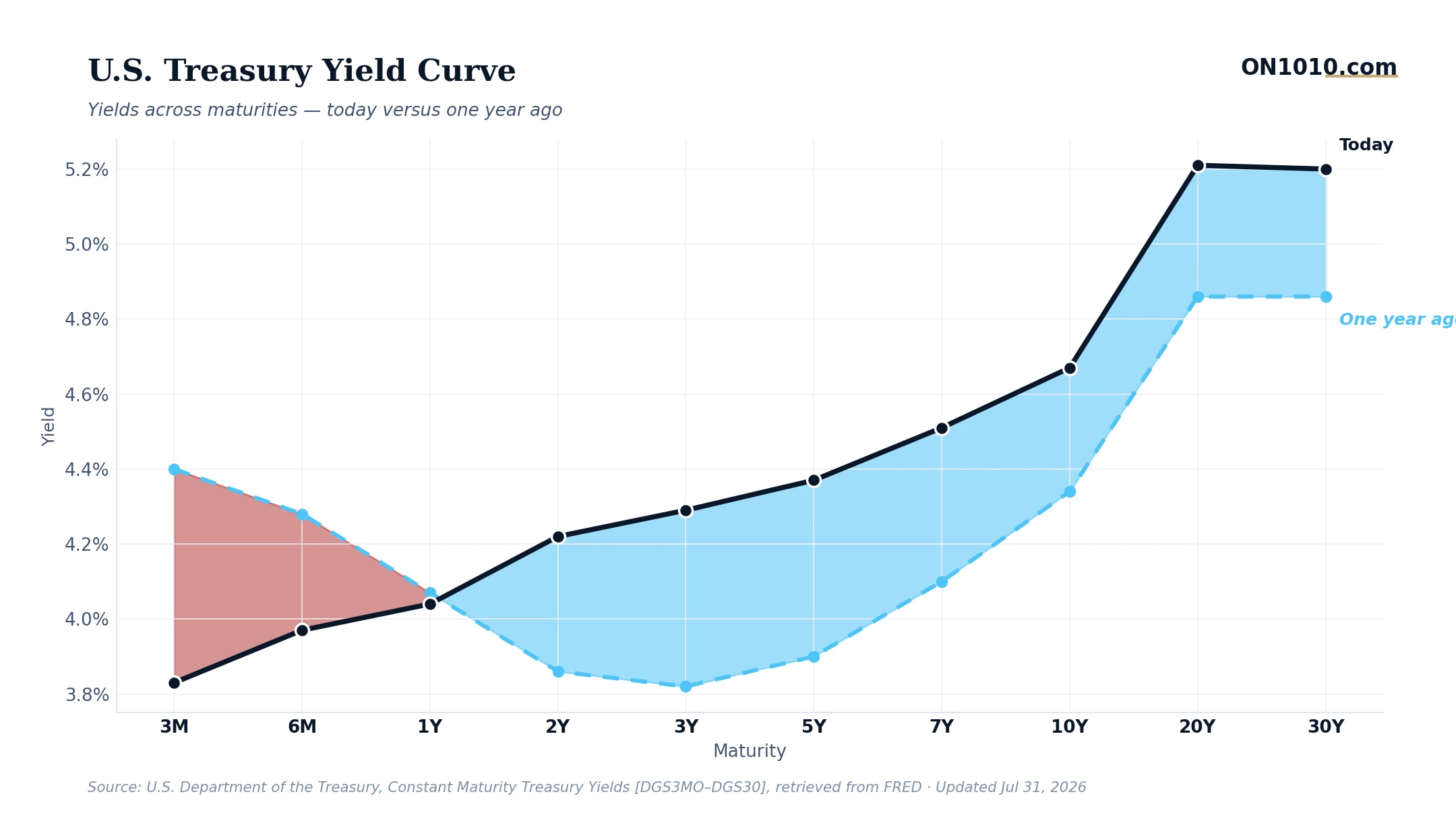
This matters because the policy debate tends to anchor on the wrong number. The Fed under Chair Warsh faces a genuine dilemma: headline data still looks hot at the 91st percentile of historical readings, which is real and not trivial. But if the trimmed mean is telling a different story, it raises an important question about whether policy is calibrated to actual inflation dynamics or to the noisiest part of the data. Long-term interest rates remain high by historical standards, sitting at the 73rd percentile, meaning real borrowing costs are elevated across the economy. That’s a direct drag on capital investment, the engine of productivity growth, even if the underlying inflation trend is genuinely improving.
Historically, investors and capital allocators have paid close attention to the direction of inflation indicators rather than any single print. When multiple smoothed measures begin converging lower, even while headline numbers remain elevated, fixed-income markets have often begun repricing ahead of the Fed. Credit spreads are already tight, which suggests the credit market is not pricing in near-term economic distress. Whether equity positioning agrees is a different story, defensive sectors have been outperforming meaningfully over the past month, which has historically suggested some institutional caution about the path ahead.
The question worth sitting with: if the trimmed mean is right, and the Fed moves too slowly, the cost isn’t zero. Every quarter of unnecessarily tight policy is capital that doesn’t get invested, productivity that doesn’t get unlocked, and margins that stay under pressure longer than they need to.
Bottom Line: The headline inflation number makes the news, but the trimmed mean tells the trend. When the two diverge this sharply, the gap itself is the story.
Read more: CNBC Economy
ON1010 Research is an independent publisher of economic education and is not a registered investment adviser, broker-dealer, or investment company. This content is for educational and informational purposes only and is not investment advice or a recommendation to buy, sell, or hold any security. Published under the publisher exemption recognized by Section 202(a)(11)(D) of the Investment Advisers Act of 1940 (Lowe v. SEC). Always consult a qualified financial professional before making any financial decision.
Free Research
The economy moves fast. We make sure you move faster.
Economic data, policy shifts, and market signals — delivered to your inbox.
Subscribe Free