
The Real Weapon Aimed at Iran Isn’t a Missile. It’s the Dollar.
According to CNBC, Treasury Secretary Scott Bessent said the Trump administration’s escalating economic pressure campaign against Iran will likely eliminate the need for large-scale U.S. military operations. The strategy: strangle the economy, not the country. And from a policy-incentives standpoint, that framing deserves more attention than it’s getting.
Economic warfare has a different risk profile than military conflict, and markets tend to price that distinction slowly. Sanctions, banking restrictions, and oil export disruptions don’t generate the sharp geopolitical fear premium that bombs do. But they can be more durable in their economic effect, particularly when they target a country’s ability to convert resources into hard currency. Iran’s oil revenues are the oxygen of its government budget. Cut that off consistently, and you’re not just creating discomfort, you’re attacking a sovereign balance sheet.
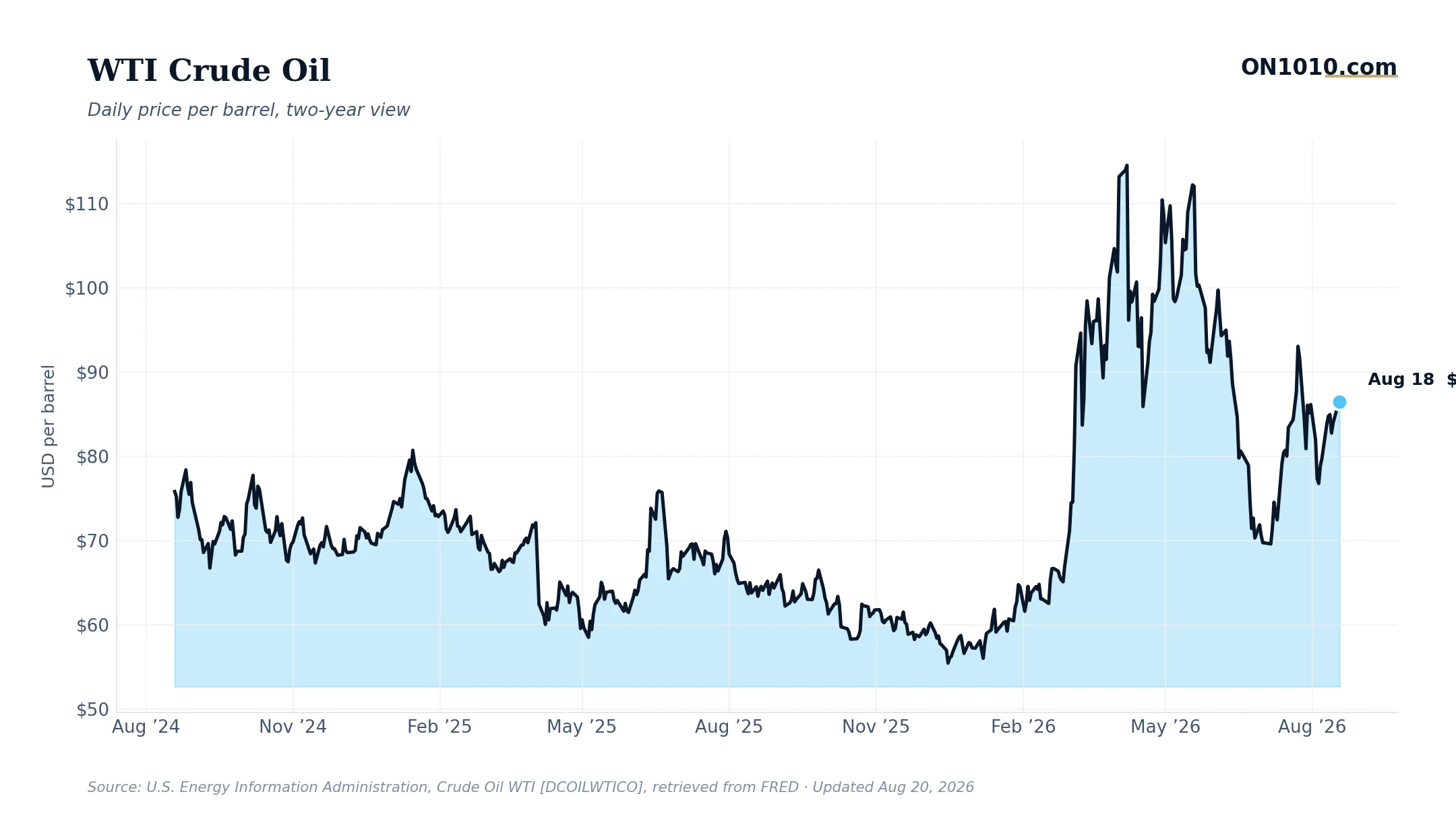
That matters for global energy markets too, but the channel is more gradual. A military escalation in the Strait of Hormuz historically generates an immediate oil spike on supply-disruption fears. Economic sanctions work differently: they quietly reduce supply over months, letting market participants adjust expectations incrementally rather than repricing overnight. The result is less headline drama but potentially more persistent pressure on energy-sensitive margins across transportation, manufacturing, and petrochemicals.
Historically, investors have treated a shift from military risk to economic-pressure framing as a reduction in near-term geopolitical tail risk, even when the underlying conflict remains unresolved. The harder question worth sitting with is whether sustained sanctions actually remove the conflict risk or simply defer it, since economically cornered governments have historically made unpredictable decisions. With credit spreads near the calmest levels in years and market volatility subdued, the market appears to be pricing the optimistic interpretation right now.
Bottom Line: Economic warfare trades headline shock for slow-burn pressure. The market may be right to breathe easier, but the underlying tension hasn’t been resolved. It has been rerouted.
Read more: CNBC Top News
ON1010 Research is an independent publisher of economic education and is not a registered investment adviser, broker-dealer, or investment company. This content is for educational and informational purposes only and is not investment advice or a recommendation to buy, sell, or hold any security. Published under the publisher exemption recognized by Section 202(a)(11)(D) of the Investment Advisers Act of 1940 (Lowe v. SEC). Always consult a qualified financial professional before making any financial decision.
Free Research
The economy moves fast. We make sure you move faster.
Economic data, policy shifts, and market signals — delivered to your inbox.
Subscribe Free