
The Treasury Is About to “Make a Market” in Long Bonds. Here’s Why That Matters.
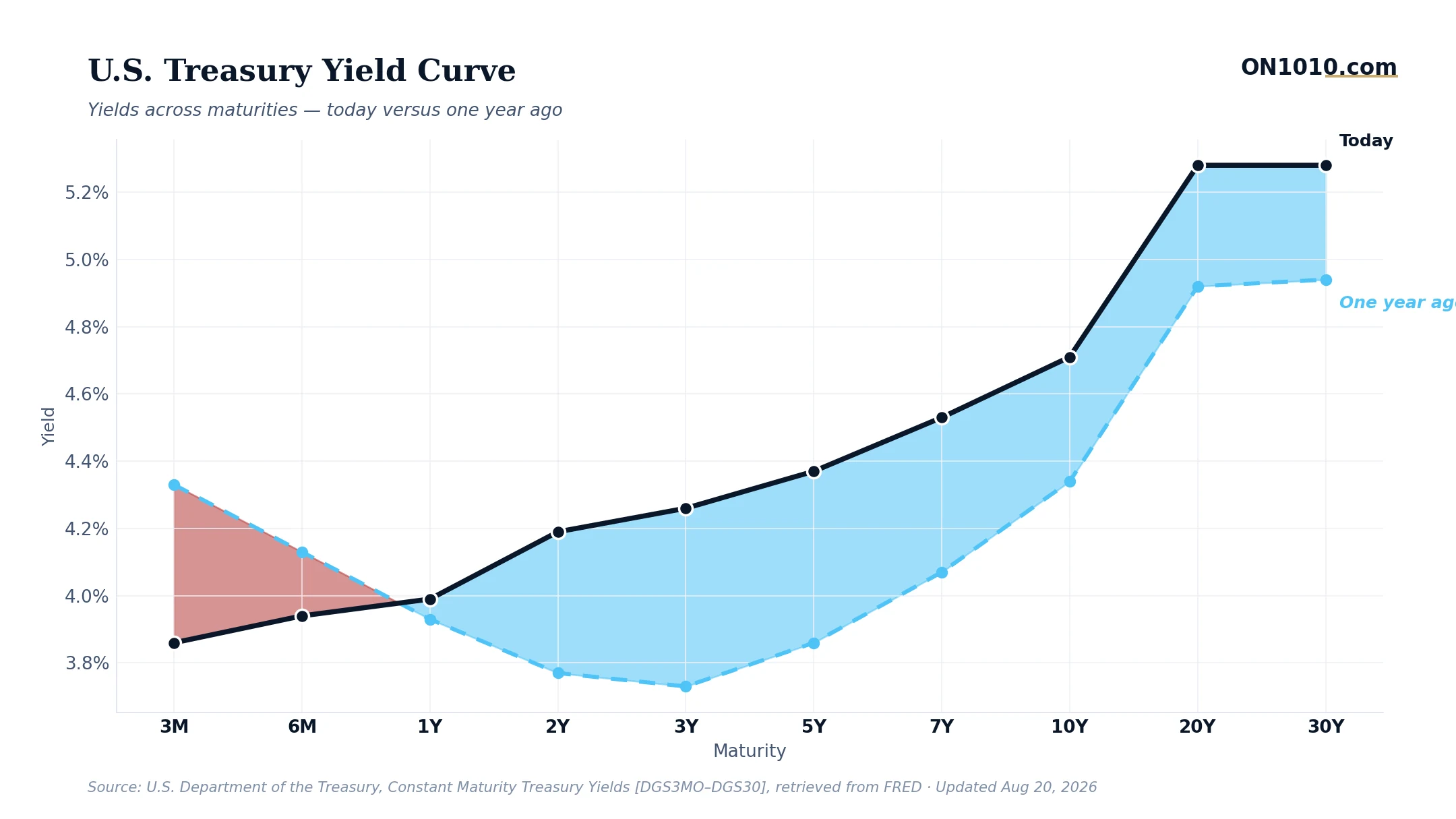
According to CNBC, Treasury Secretary Bessent signaled that the department’s bond buyback program could exceed $4 billion, specifically targeting longer-dated securities where yields have been climbing sharply. The headline sounds technical. The implication is anything but.
When the Treasury says it will “make a market” in long bonds, it is stepping in as a buyer of last resort to put a floor under prices (and a ceiling on yields) at the long end of the curve. Think of it as a pressure valve. Rising long-term yields raise borrowing costs for everything from corporate debt to mortgages, and when they move fast, they can tighten financial conditions faster than the Fed intends. The buyback is a way to push back against that without touching the policy rate.
This matters right now because long-term interest rates are already running high relative to history, and our gauges show them still rising. That combination is exactly the kind of environment that can compress the profit margins that businesses depend on to invest and hire. Companies refinancing debt or issuing new bonds feel the cost of every basis point. A Treasury buyback that successfully anchors the long end gives corporate America a bit more room to breathe.
There is a catch worth naming. Historically, investors have paid close attention to whether Treasury supply management affects yield levels durably or just temporarily. A $4 billion operation, while meaningful as a signal, is modest against the trillions of Treasuries outstanding. The signal may matter more than the size: it tells markets the Treasury is paying attention and willing to act. Whether that changes the underlying supply-demand math in the long bond market is the question worth watching in the weeks ahead.
Bottom Line: The Treasury stepping in to “make a market” in long bonds is as much a message as it is a mechanism. Watch whether yields respond durably, because that answer tells you how much credibility the market is willing to give this intervention.
Read more: CNBC Economy
ON1010 Research is an independent publisher of economic education and is not a registered investment adviser, broker-dealer, or investment company. This content is for educational and informational purposes only and is not investment advice or a recommendation to buy, sell, or hold any security. Published under the publisher exemption recognized by Section 202(a)(11)(D) of the Investment Advisers Act of 1940 (Lowe v. SEC). Always consult a qualified financial professional before making any financial decision.
Free Research
The economy moves fast. We make sure you move faster.
Economic data, policy shifts, and market signals — delivered to your inbox.
Subscribe Free