
When the White House Becomes the Beef Buyer of Last Resort
According to CNBC, the Trump administration is allowing 300,000 metric tons of ground beef to enter the U.S. duty-free, a direct response to soaring beef prices driven by a shrinking domestic cattle herd. The policy is simple enough on its surface. What’s underneath it is more interesting.
The U.S. cattle herd has been contracting for years, a slow-motion supply problem that doesn’t respond to a tariff waiver the way, say, a factory can respond to a new order. Cattle herds take years to rebuild. You can’t wave away a biological production cycle with a policy memo. So the administration is essentially reaching for a short-term pressure valve on prices while the structural supply problem grinds on in the background.
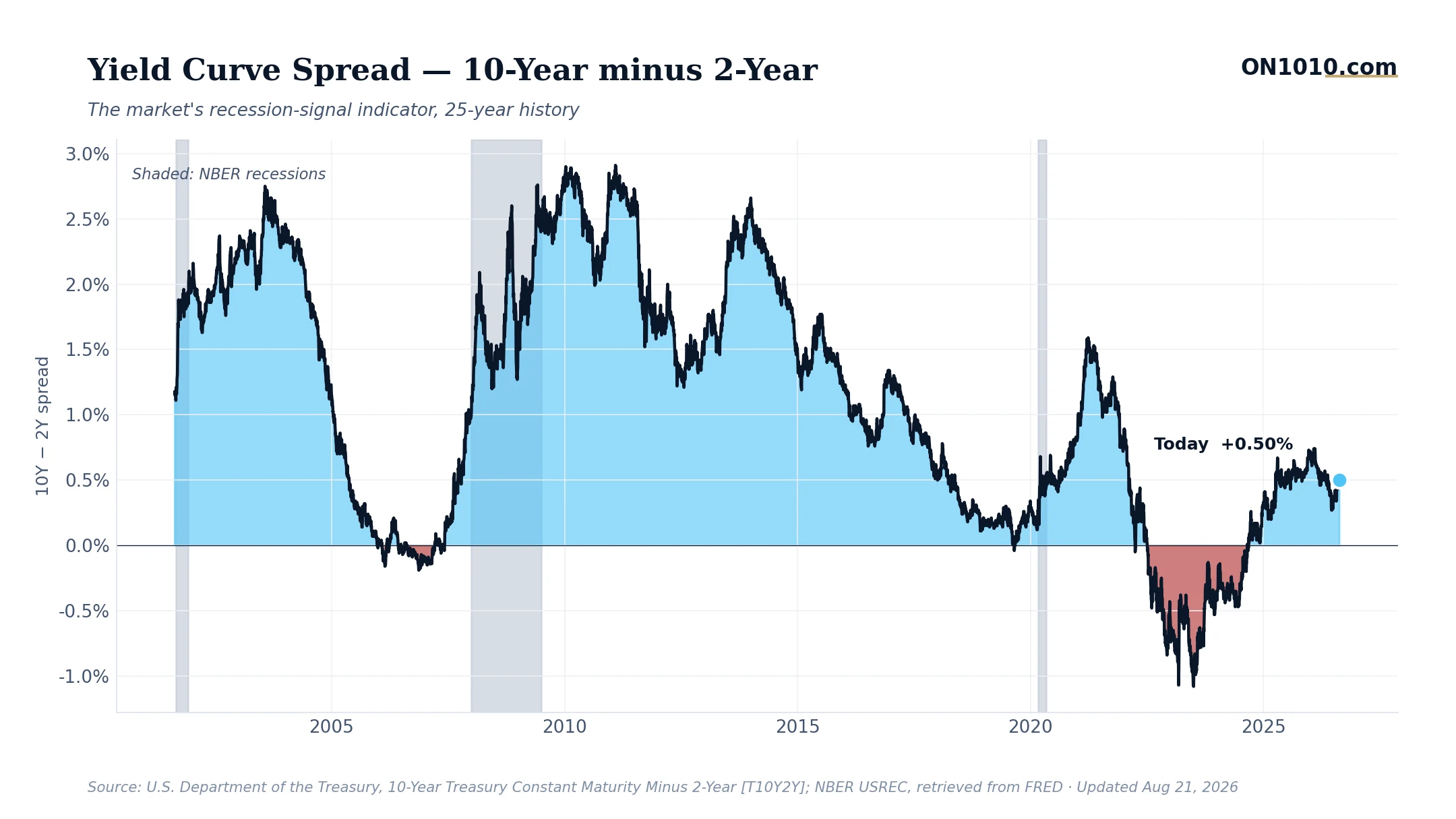
Here’s the tension worth sitting with. Beef prices are a politically visible inflation problem, and inflation is already running historically hot right now. At the same time, core credit conditions remain calm and market volatility is low, which means the system isn’t breaking. The tariff relief is a targeted move to take some heat out of one corner of the consumer price basket without broadly unwinding the administration’s wider trade posture. That’s a meaningful distinction: this is surgical, not structural.
The downstream effects run in multiple directions. Domestic beef producers face a new competitive reality, at least temporarily. Foreign exporters (primarily Australia, New Zealand, and Brazil) gain access to one of the world’s most valuable protein markets. And for the food service and grocery supply chain, the relief on input costs, if it materializes, could show up in margins before it shows up in menu or shelf prices. Historically, investors tracking food and staples companies have watched for exactly this kind of wedge between input cost relief and consumer-facing price stickiness. Consumer sentiment is sitting near historic lows right now, so how much of any cost relief actually reaches household budgets is a genuine open question.
Bottom Line: Tariff relief can move faster than cattle herds grow, which means the price problem may ease at the margin this year while the supply problem quietly continues building pressure for the next one.
Read more: CNBC Top News
ON1010 Research is an independent publisher of economic education and is not a registered investment adviser, broker-dealer, or investment company. This content is for educational and informational purposes only and is not investment advice or a recommendation to buy, sell, or hold any security. Published under the publisher exemption recognized by Section 202(a)(11)(D) of the Investment Advisers Act of 1940 (Lowe v. SEC). Always consult a qualified financial professional before making any financial decision.
Free Research
The economy moves fast. We make sure you move faster.
Economic data, policy shifts, and market signals — delivered to your inbox.
Subscribe Free