
Economic Wire: Berkshire CEO Greg Abel says Japanese bond yields not a chal
The Berkshire Test: If Japan’s Bond Yields Are “Fine,” Why Does Everyone Keep Asking?
According to CNBC, Berkshire Hathaway CEO Greg Abel appeared on “Squawk Box” to address a question that has been quietly nagging global investors for months: are rising Japanese government bond yields starting to squeeze the Japanese trading houses Berkshire has been building a large stake in? Abel’s answer was a calm no. Yields in Japan, he said, are still relatively low. The interesting part is that he had to say it at all.
Japan’s bond market has been one of the more important stories in global finance over the past two years. After decades of near-zero rates enforced by the Bank of Japan’s yield curve control policy, yields have been drifting higher as the BOJ slowly loosens its grip. That matters for Berkshire’s Japanese positions because the trading houses, known as sogo shosha, run businesses that are partly financed by cheap Japanese debt. The model works elegantly when borrowing costs are low: borrow in yen at minimal cost, invest across commodities, energy, and global trade flows, pocket the spread. When borrowing costs rise, the math on that spread changes. Abel’s message is essentially that the math still works. Yields have moved, but they have not moved enough to disrupt the underlying economics of these businesses.
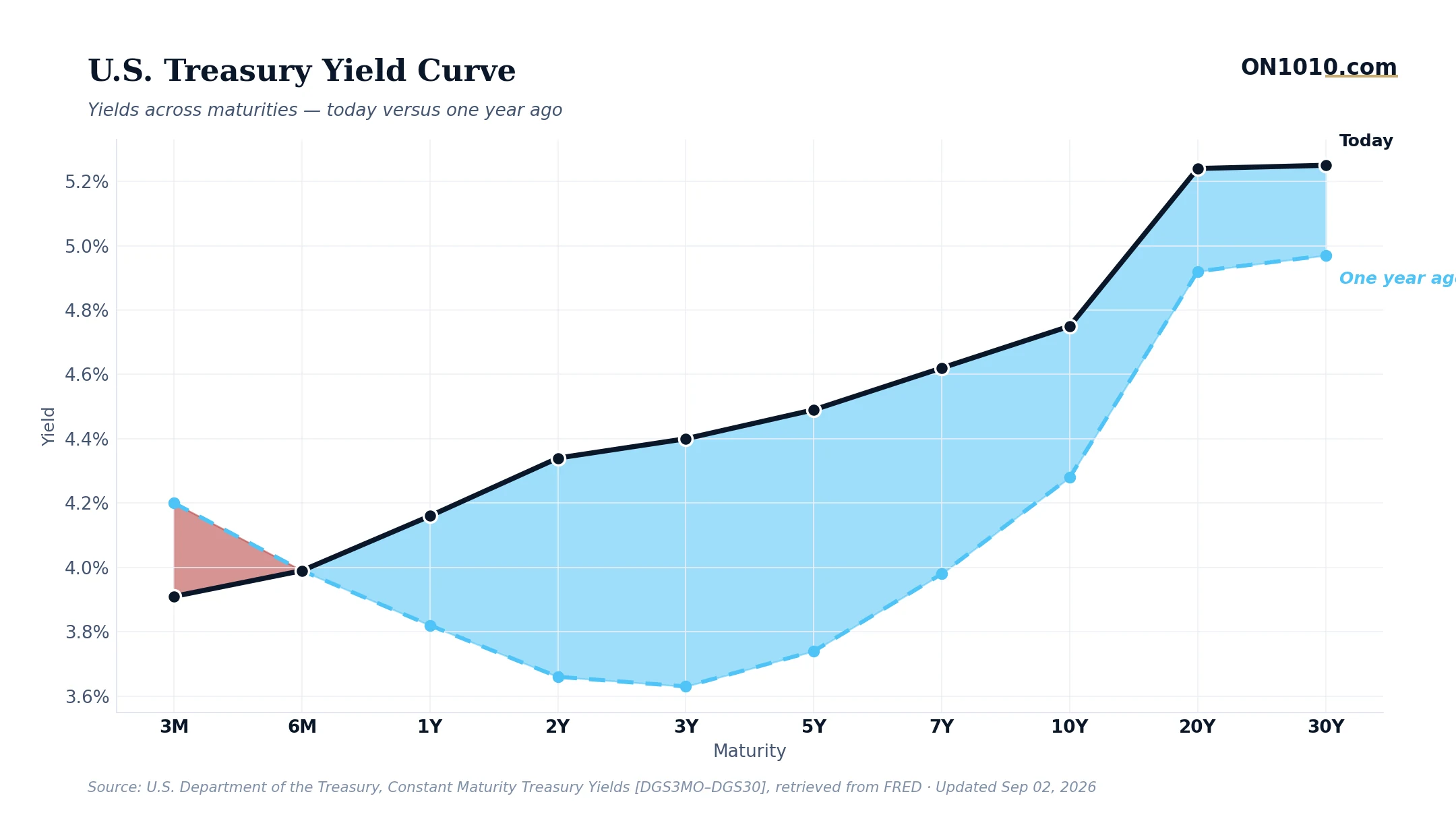
That framing is worth taking seriously. Historically, investors tracking sovereign bond markets have treated yield inflection points as some of the most reliable early signals of stress in leveraged business models. When funding costs rise faster than operating margins can absorb, the whole structure gets re-rated. The question Berkshire is really being asked, implicitly, is whether Japan’s slow drift away from ultra-loose monetary policy crosses that threshold. Abel is saying no. Watching whether Japanese yields and trading house margins confirm or contradict that assessment over the next few quarters is the kind of data discipline that separates patient capital from reactive capital.
Bottom Line: Abel’s calm is only reassuring if the data stays with him. Japan’s bond market is moving in one direction, and the sogo shosha model was built in a different interest rate world. The gap between “not a problem yet” and “a problem” is worth tracking closely.
Read more: CNBC Top News
ON1010 Research is an independent publisher of economic education and is not a registered investment adviser, broker-dealer, or investment company. This content is for educational and informational purposes only and is not investment advice or a recommendation to buy, sell, or hold any security. Published under the publisher exemption recognized by Section 202(a)(11)(D) of the Investment Advisers Act of 1940 (Lowe v. SEC). Always consult a qualified financial professional before making any financial decision.
Free Research
The economy moves fast. We make sure you move faster.
Economic data, policy shifts, and market signals — delivered to your inbox.
Subscribe Free