
Burger King Doesn’t Do 8.5% Same-Store Sales in a Soft Economy Without a Story Worth Telling
According to CNBC, Restaurant Brands International posted a Q2 earnings beat driven by Burger King’s U.S. same-store sales growth of 8.5%. That number deserves a second look, because 8.5% same-store growth at a fast-food chain is not a rounding error. It is a signal.
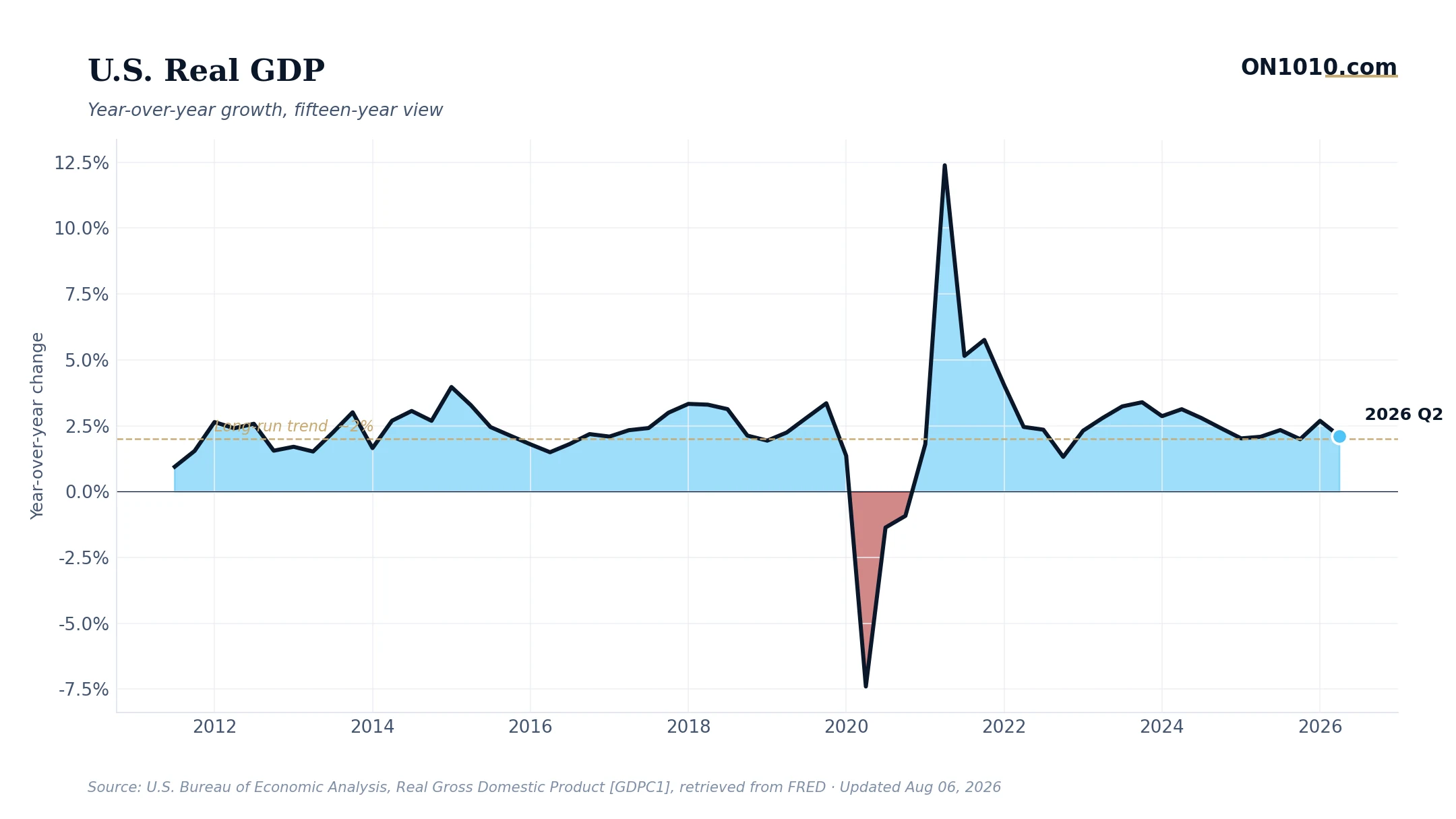
Here is what makes it interesting. Consumer sentiment is sitting near the very bottom of its historical range right now. Yet a value-oriented fast-food chain is printing some of the strongest same-store sales numbers in its recent history. That is not a contradiction. That is the story. When confidence craters, consumers do not stop spending entirely. They trade down, and Burger King is one of the places they land. The chain has also been grinding through a multi-year operational and marketing turnaround, and results like this suggest the reinvestment is finally compounding into margin-friendly volume growth.
The economics of same-store sales growth matter here in a specific way. When a restaurant grows revenue across an existing footprint without adding locations, the fixed cost base stays largely flat while incremental dollars flow toward profit. In an environment where core inflation is still running historically hot, any business demonstrating pricing power and volume growth simultaneously is doing something structurally right, not just benefiting from a favorable quarter. That combination is what expands margins, and expanding margins are what attract capital allocation over time.
Historically, investors have paid close attention to same-store sales as a leading indicator of franchisee health, because healthy unit economics encourage franchisees to reinvest in their stores and expand, which compounds the brand’s growth runway. The question worth sitting with is whether this momentum reflects a durable shift in Burger King’s competitive position, or whether it is being partly inflated by a value-seeking consumer who returns home when confidence recovers.
Bottom Line: An 8.5% same-store sales print at a value fast-food chain, during a period of historically weak consumer confidence, is the kind of result that reveals something real about where the consumer actually is, not where surveys say they feel.
Read more: CNBC Top News
ON1010 Research is an independent publisher of economic education and is not a registered investment adviser, broker-dealer, or investment company. This content is for educational and informational purposes only and is not investment advice or a recommendation to buy, sell, or hold any security. Published under the publisher exemption recognized by Section 202(a)(11)(D) of the Investment Advisers Act of 1940 (Lowe v. SEC). Always consult a qualified financial professional before making any financial decision.
Free Research
The economy moves fast. We make sure you move faster.
Economic data, policy shifts, and market signals — delivered to your inbox.
Subscribe Free