
Economic Wire: Canada poised to retaliate against Trump tariffs: ‘We’re not
When Talks Break Down, the Math Gets Expensive Fast
According to CNBC, Canadian trade negotiators walked away from U.S. talks last week without a deal, leaving Trump’s new tariffs set to take effect. Ottawa’s message was blunt: “We’re not waiting by the phone.”
That line is worth sitting with. It signals a shift from negotiating posture to retaliatory posture, and those two modes produce very different economic outcomes.
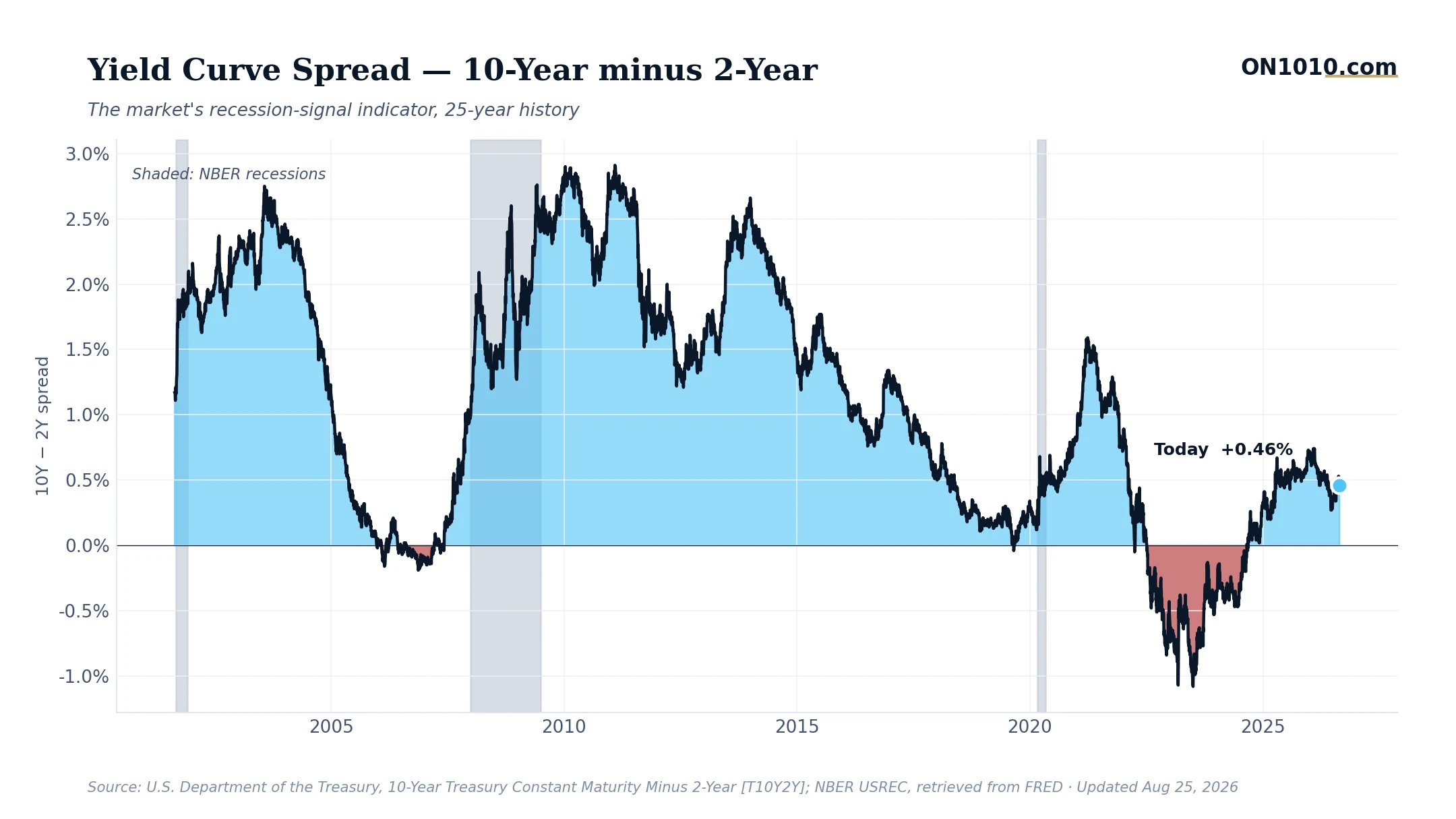
Here’s what makes this moment complicated. The backdrop isn’t a healthy, frictionless economy where both sides can absorb some friction and keep moving. Core inflation is running hotter than roughly nine of every ten months on the historical record. Long-term interest rates are elevated and rising. Consumer sentiment is near its historical floor. Piling trade disruption on top of that combination is a bit like raising the rent on a tenant who’s already behind. The math tightens fast.
The mechanism matters here. Tariffs are taxes on imports paid by domestic businesses and consumers, not by foreign governments. When Canada retaliates in kind, the same logic applies in reverse. Companies on both sides of the border face higher input costs, which compresses margins. Compressed margins mean less hiring, less investment, and less willingness to take on new capital commitments. The sectors most exposed are the ones most integrated across the border: autos, agriculture, energy, and manufacturing. These aren’t abstract flows. They are supply chains built over decades on the assumption that the border was essentially invisible.
Historically, investors have treated escalating trade disputes as a margin compression story first and a growth story second. The sequence runs: costs rise, pricing power gets tested, capital expenditure plans get delayed, and hiring slows. Credit spreads, currently near the tightest readings in the historical record, suggest markets aren’t pricing much of this risk yet. That gap between credit calm and escalating policy friction is worth watching closely.
Bottom Line: Trade negotiations don’t end with a press conference, they end with prices. When talks collapse and retaliation starts, the cost lands on corporate margins before it shows up anywhere else.
Read more: CNBC Top News
ON1010 Research is an independent publisher of economic education and is not a registered investment adviser, broker-dealer, or investment company. This content is for educational and informational purposes only and is not investment advice or a recommendation to buy, sell, or hold any security. Published under the publisher exemption recognized by Section 202(a)(11)(D) of the Investment Advisers Act of 1940 (Lowe v. SEC). Always consult a qualified financial professional before making any financial decision.
Free Research
The economy moves fast. We make sure you move faster.
Economic data, policy shifts, and market signals — delivered to your inbox.
Subscribe Free