
Economic Wire: China hits back at G20 statement on its reliance on exports,
When Beijing Calls the G20 “Protectionist,” the Real Story Is About Who Pays for China’s Surplus
According to CNBC, China rejected G20 pressure to rebalance its export-driven economy, pushing back against the group’s joint statement and labeling their concerns as “promoting protectionism.” Beijing simultaneously challenged U.S. sanctions on Iran and European trade measures. The diplomatic language sounds routine. The economic stakes are not.
Here is what the finger-pointing obscures: China’s export model works by keeping domestic consumption artificially low and channeling savings into production capacity. That gap between what China produces and what its own citizens consume has to go somewhere. It goes abroad, in the form of cheap goods that compress margins for manufacturers everywhere else. When the G20 calls this out, they are describing a real mechanism, not a trade grievance. China’s surplus is, by arithmetic, someone else’s deficit.
The incentive structure here is worth understanding clearly. Beijing has built an economy where export-oriented industries generate profits, employment, and political stability. Rebalancing toward domestic consumption would mean higher wages, a stronger currency, and lower returns for those same industries. The incentives run hard against change, regardless of what any G20 communique says. Global capital knows this, which is why supply chain diversification away from China has accelerated even as trade volumes remain large.
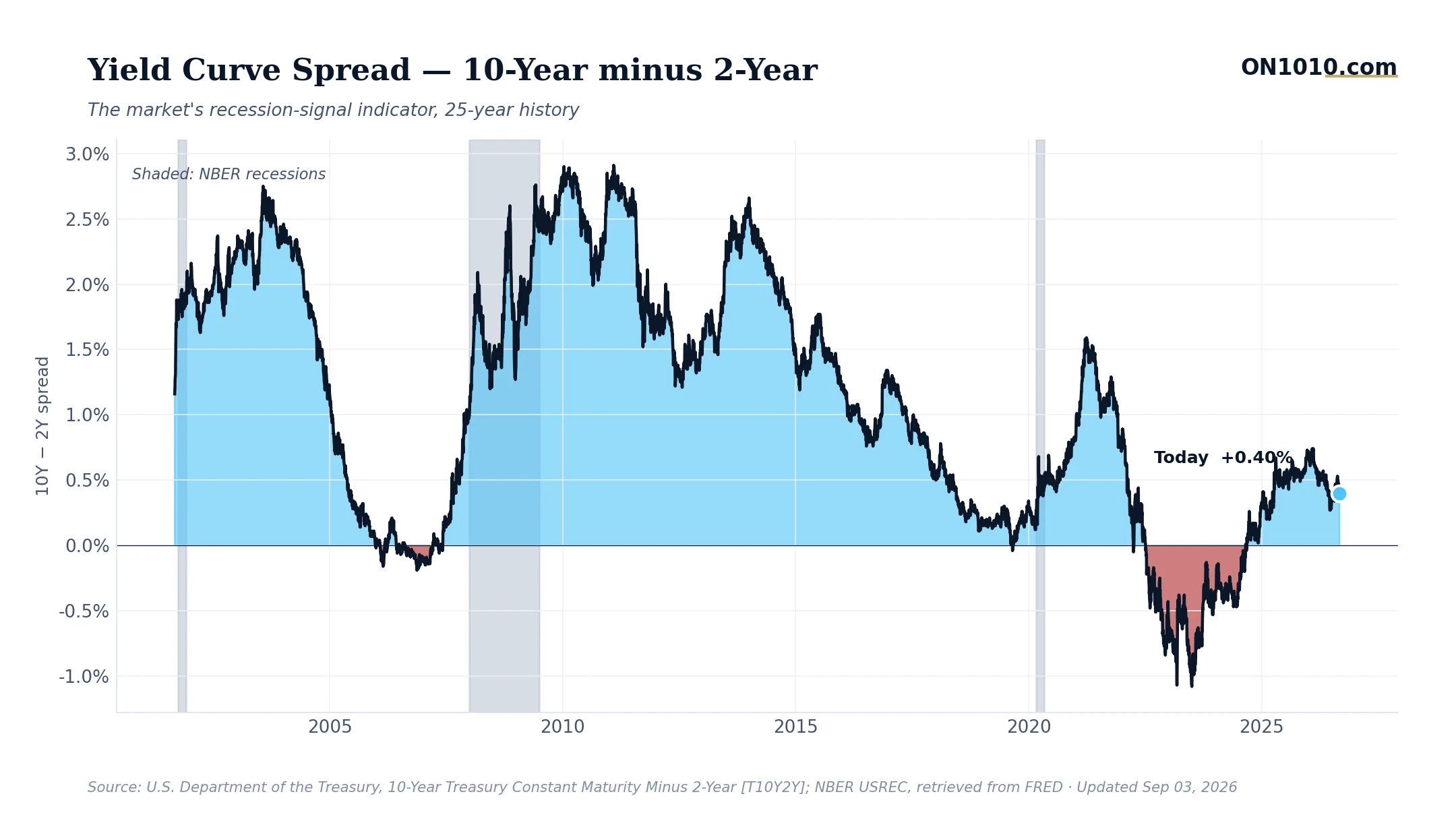
For businesses allocating capital across global supply chains, this standoff carries real consequences. Historically, prolonged trade friction between major economies has tended to raise input costs, fragment supply chains, and force firms to make longer-duration bets on sourcing geography. The current backdrop makes that calculus harder: long-term interest rates are running high by historical standards, which raises the cost of any capital-intensive reshoring or diversification decision. Credit spreads are tight, suggesting markets are not yet pricing meaningful disruption, but that gap between relaxed credit pricing and rising geopolitical friction is itself a tension worth watching.
Bottom Line: China calling trade pressure “protectionism” is a familiar move. The more durable question is whether the incentive structure inside Beijing ever shifts enough to close a surplus that the rest of the world keeps funding.
Read more: CNBC Top News
ON1010 Research is an independent publisher of economic education and is not a registered investment adviser, broker-dealer, or investment company. This content is for educational and informational purposes only and is not investment advice or a recommendation to buy, sell, or hold any security. Published under the publisher exemption recognized by Section 202(a)(11)(D) of the Investment Advisers Act of 1940 (Lowe v. SEC). Always consult a qualified financial professional before making any financial decision.
Free Research
The economy moves fast. We make sure you move faster.
Economic data, policy shifts, and market signals — delivered to your inbox.
Subscribe Free