
The AI Spending Boom Is Both the Economy’s Best Hope and the Fed’s Biggest Headache
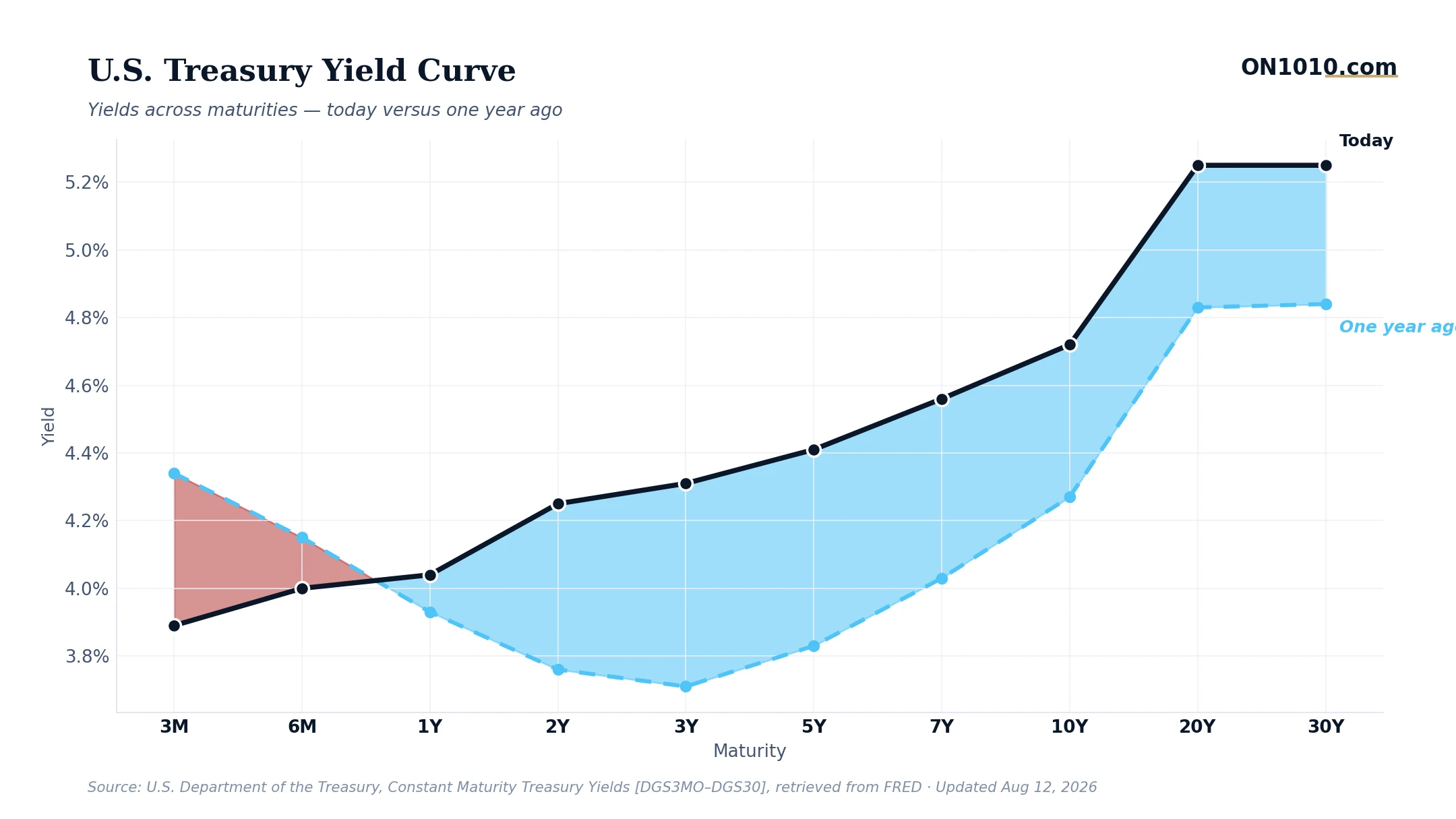
According to CNBC, tech leaders are promising that AI will eventually drive costs down across the economy. But the key word is “eventually.” Right now, the massive data center buildout required to get there is pumping billions of dollars of demand into an economy where inflation is already running hotter than at roughly nine of every ten months in the historical record.
Here is the tension worth sitting with. The long-run productivity story around AI is genuinely compelling. When businesses figure out how to deploy AI at scale, output per worker rises, and that is the mechanism by which the economy grows without generating inflation. Productivity gains are the rare free lunch. The problem is the sequencing. The infrastructure spending comes first, creating demand-side inflation pressure today. The productivity payoff, if and when corporate adoption accelerates, comes later. The Fed has to manage the “now” while the economy waits for the “later.”
Slow corporate adoption makes this worse. Every month that businesses delay actually using AI tools is a month where the economy gets the inflationary spending without the deflationary productivity offset. Capital is flowing into data centers at a historic pace. The return on that capital, in the form of economy-wide productivity gains, is still largely theoretical for most industries. That is a timing mismatch the Fed cannot solve with interest rates.
Long-term rates are already elevated relative to history, and rising. That raises the cost of the very capital investment driving the buildout, creating a feedback loop worth watching. Historically, investors have paid close attention to whether infrastructure booms generate measurable productivity growth before the financing costs become prohibitive. The 1990s internet buildout is the obvious analog, with a cautionary tale embedded in the ending. The question worth sitting with is whether AI adoption curves are steep enough to close the productivity gap before the cost of capital closes it for them.
Bottom Line: AI’s inflation problem is a timing problem. The spending is real and happening now. The productivity payoff is real but arriving slowly. The Fed is stuck managing the gap between the two.
Read more: CNBC Economy
ON1010 Research is an independent publisher of economic education and is not a registered investment adviser, broker-dealer, or investment company. This content is for educational and informational purposes only and is not investment advice or a recommendation to buy, sell, or hold any security. Published under the publisher exemption recognized by Section 202(a)(11)(D) of the Investment Advisers Act of 1940 (Lowe v. SEC). Always consult a qualified financial professional before making any financial decision.
Free Research
The economy moves fast. We make sure you move faster.
Economic data, policy shifts, and market signals — delivered to your inbox.
Subscribe Free