
The ECB’s Iran Problem: When a War Tax Meets an Already-Hot Economy
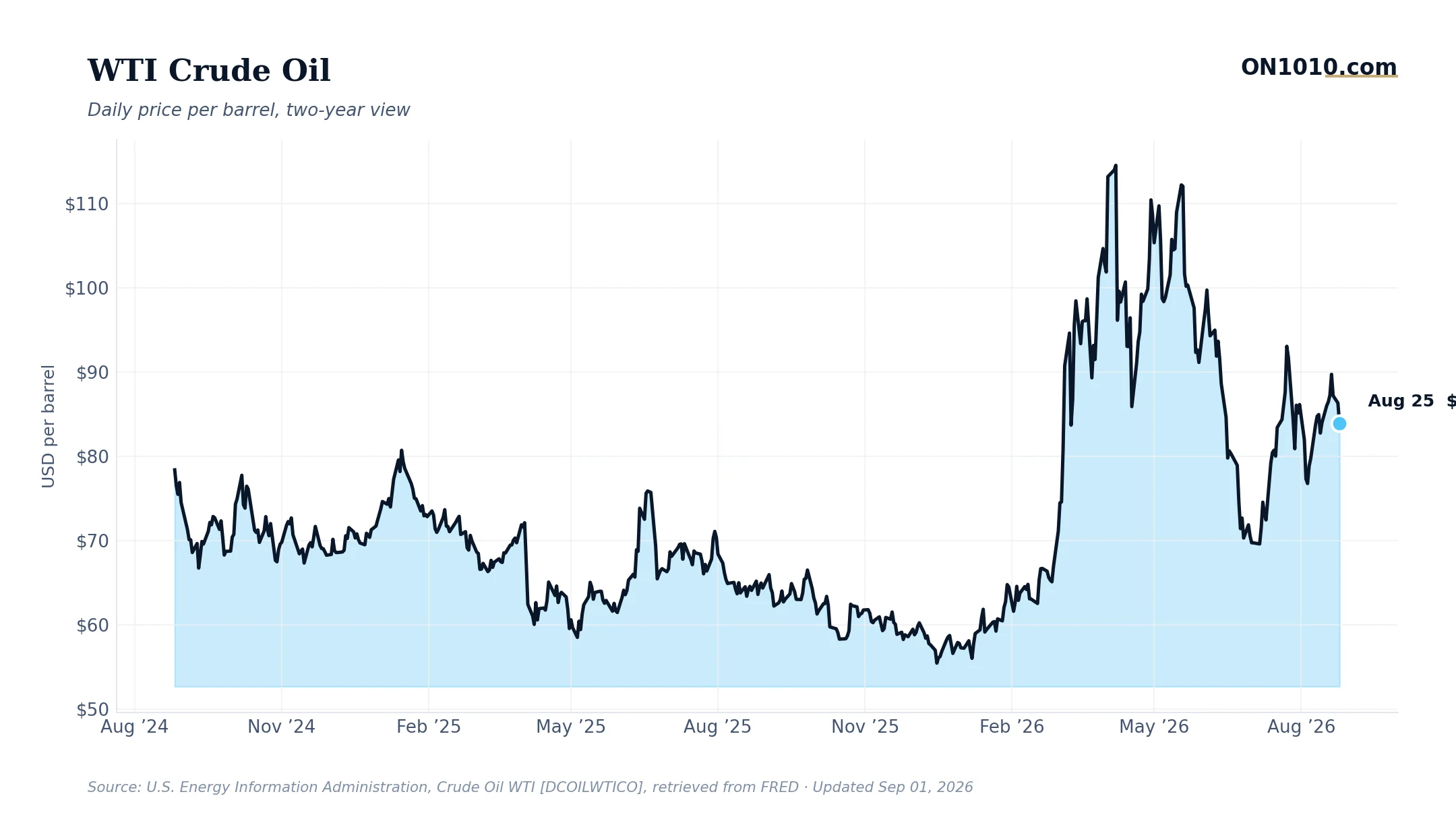
According to CNBC, euro zone inflation has climbed back above 3%, and the European Central Bank is now expected to raise interest rates in September, with the driver being a surge in energy costs tied directly to the Iran conflict. The headline number is notable enough. The mechanism behind it is what deserves attention.
This is what economists sometimes call an external supply shock: the economy didn’t overheat from too much domestic demand, it got hit by a war-driven spike in energy prices. That distinction matters enormously for policy. When inflation rises because consumers are spending too freely, rate hikes cool demand and ease price pressure. When inflation rises because a conflict disrupts global energy supply, rate hikes don’t fix the supply problem. They slow the economy instead. The ECB is essentially being forced to apply a demand-side cure to a supply-side illness, and that friction shows up directly in corporate margins across European industry. Energy is a cost of doing business, and when that cost rises abruptly, it compresses the profit margins that drive hiring and investment decisions downstream.
The broader picture is worth sitting with. European inflation was already running hot relative to its own history before this summer. Long-term interest rates are already elevated by historical standards. Now rates are rising further, at a moment when growth is near its historical midpoint and moving lower. That is a narrowing corridor for the European economy, and the credit market remains calm about it, which means the bond market’s stress signal is notably absent. Whether that calm reflects genuine confidence or a lag in recognizing the cumulative weight of tighter conditions is exactly the kind of question worth watching over the next several months.
Historically, investors have paid close attention to the relationship between rate hikes driven by external shocks and the trajectory of corporate earnings, particularly in energy-intensive sectors like manufacturing, chemicals, and transportation. The question worth sitting with is whether European companies can pass those higher energy costs through to customers, or whether they absorb them. Margins answer that question before any other indicator does.
Bottom Line: The ECB is being forced to fight a war-driven energy shock with the only tool it has, a blunt one. The real question isn’t whether rates go up in September. It’s what rising rates do to already-pressured margins in an economy where growth is already fading.
Read more: CNBC Economy
ON1010 Research is an independent publisher of economic education and is not a registered investment adviser, broker-dealer, or investment company. This content is for educational and informational purposes only and is not investment advice or a recommendation to buy, sell, or hold any security. Published under the publisher exemption recognized by Section 202(a)(11)(D) of the Investment Advisers Act of 1940 (Lowe v. SEC). Always consult a qualified financial professional before making any financial decision.
Free Research
The economy moves fast. We make sure you move faster.
Economic data, policy shifts, and market signals — delivered to your inbox.
Subscribe Free