
When the Bond Market Smells Smoke, Everyone Should Pay Attention
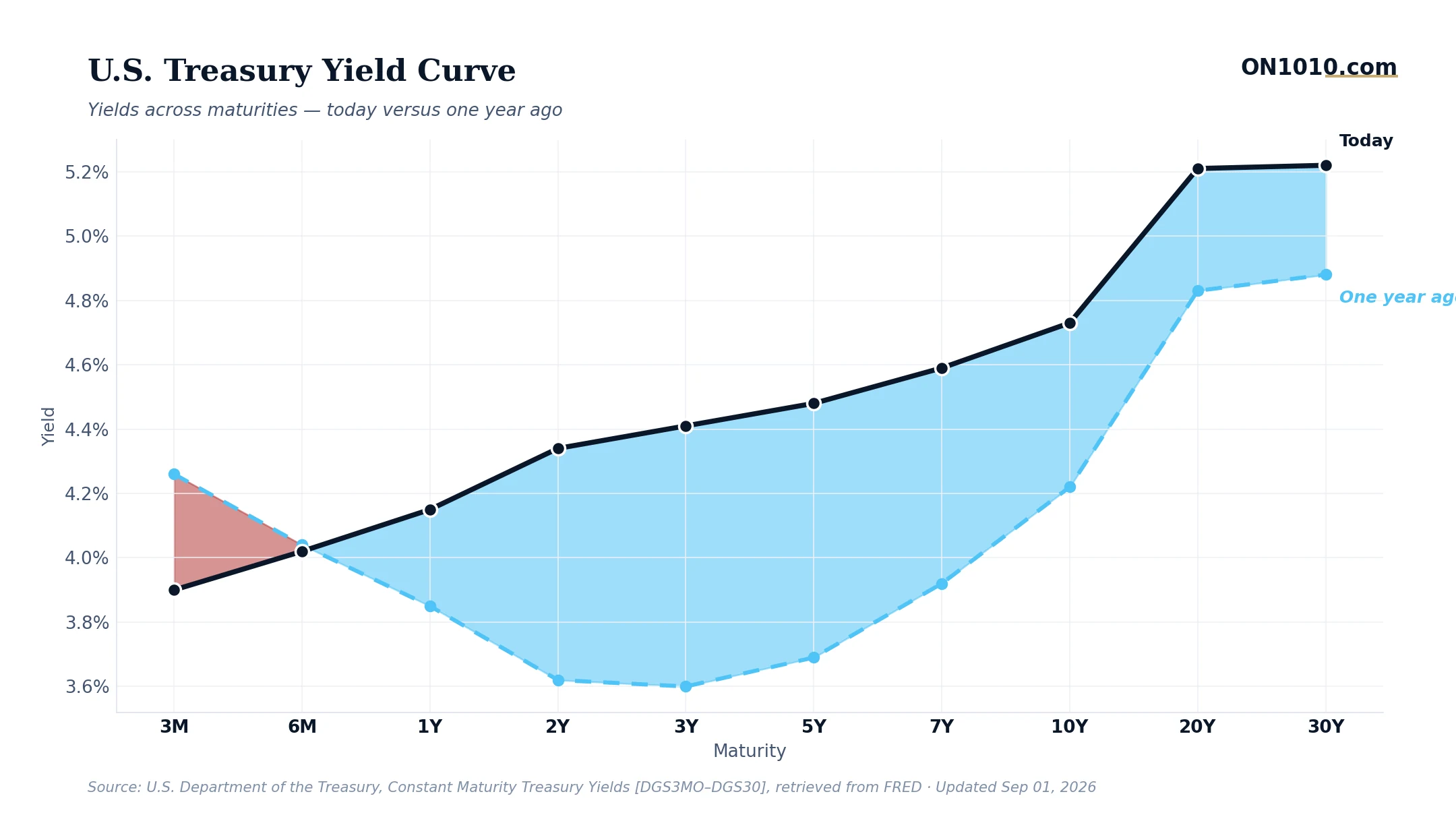
According to CNBC, the 10-year Treasury yield climbed to its highest level since January 2025 on Tuesday, touching 4.73% as renewed Middle East tensions pushed oil prices higher and rekindled inflation worries. The headline treats this like a geopolitical story. The more important story is what it reveals about where the economy actually stands right now.
Here is the tension worth sitting with: this yield move is happening against a backdrop where core inflation is already running hotter than roughly nine of every ten months in the historical record. That means the bond market is not reacting to a clean-slate environment. It is repricing risk on top of an existing inflation problem. Oil is the accelerant, not the fire itself.
The transmission mechanism matters here. When energy prices rise, they show up first in headline inflation. If they stay elevated long enough, they seep into core costs through transportation, manufacturing inputs, and utility bills. That is when the Fed’s job gets genuinely harder. The Fed is already holding rates in a range that sits near its historical midpoint, and long-term rates are now rising again after a period of falling. That reversal is worth watching closely. Bond investors are effectively saying they want more compensation for the inflation risk ahead, and that pushes borrowing costs higher for everyone: businesses financing expansion, consumers carrying variable-rate debt, and the federal government rolling over its own obligations.
What makes this moment interesting is the split signal. Credit spreads remain historically tight, suggesting credit markets are not panicking. The VIX is low and falling, and offensive sectors like technology and communication services are outpacing defensives. Markets are pricing calm even as bonds are repricing risk. Historically, when long-term yields climbed sharply while credit stayed calm, the question investors focused on was whether the yield rise reflected growth expectations or inflation fears. Those two causes lead to very different outcomes for corporate margins and capital spending plans.
Bottom Line: A 4.73% 10-year yield with hot core inflation already in the system is a different animal than the same yield in a low-inflation world. The question to keep asking is whether rising oil does enough damage to margins to change business behavior, or whether a still-resilient economy absorbs it. The bond market just made that question more urgent.
Read more: CNBC Top News
ON1010 Research is an independent publisher of economic education and is not a registered investment adviser, broker-dealer, or investment company. This content is for educational and informational purposes only and is not investment advice or a recommendation to buy, sell, or hold any security. Published under the publisher exemption recognized by Section 202(a)(11)(D) of the Investment Advisers Act of 1940 (Lowe v. SEC). Always consult a qualified financial professional before making any financial decision.
Free Research
The economy moves fast. We make sure you move faster.
Economic data, policy shifts, and market signals — delivered to your inbox.
Subscribe Free