
A Small Bank Merger Just Got the Green Light. The Timing Tells You More Than the Deal.
According to a Federal Reserve press release, regulators approved two applications from Mutual Federal Bancorp, MHC, and MFB Bancorp, Inc., clearing the path for a community bank consolidation. On the surface, this is a routine order. The timing, though, is worth noting.
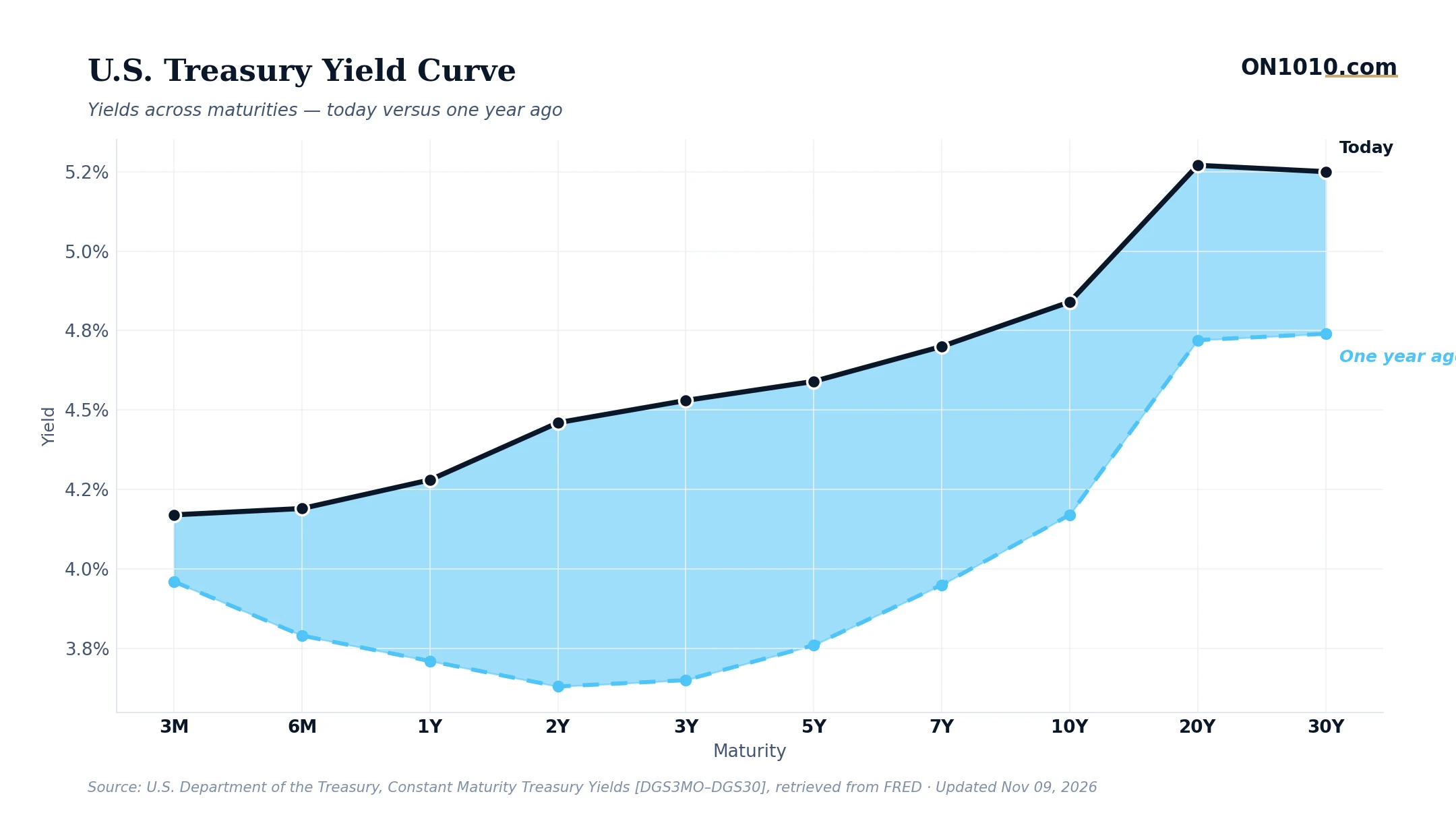
Community bank mergers have been accelerating for a reason that rarely makes headlines: the math of running a small bank has gotten harder. Interest rates remain historically elevated, credit spreads are wide and rising, and loan demand from consumers who are historically pessimistic about the economy is fragile. Smaller banks face the same funding costs as larger ones but lack the scale to absorb margin compression as efficiently. When the cost of money is high and the people borrowing it are cautious, smaller institutions feel the squeeze first.
This is a capital allocation story as much as it is a regulatory one. When margins get tight, the incentive to merge sharpens. Scale reduces overhead per dollar of assets, and a combined institution can spread compliance costs, technology investment, and deposit gathering across a larger base. The Fed’s approval here simply clears the legal path for a decision that economics was already pushing.
Historically, periods of elevated rates and tight credit conditions have coincided with accelerated consolidation in banking. Investors have watched these cycles closely, because a shrinking pool of independent community lenders can reshape credit access in local markets, particularly for small businesses that often find it harder to meet the underwriting standards of larger regional banks. The question that follows every community bank merger is whether credit flows into those communities contract, hold steady, or simply migrate upstream to bigger institutions.
With defensive sectors leading the market by a wide margin and VIX elevated well above its recent average, institutional money is already signaling something it doesn’t like about the economic environment. Small bank consolidation fits that picture.
Bottom Line: When small banks find merger math more attractive than going it alone, that is a quiet signal that the credit environment is tighter than the headlines suggest.
Read more: Federal Reserve Press Releases
ON1010 Research is an independent publisher of economic education and is not a registered investment adviser, broker-dealer, or investment company. This content is for educational and informational purposes only and is not investment advice or a recommendation to buy, sell, or hold any security. Published under the publisher exemption recognized by Section 202(a)(11)(D) of the Investment Advisers Act of 1940 (Lowe v. SEC). Always consult a qualified financial professional before making any financial decision.
Free Research
The economy moves fast. We make sure you move faster.
Economic data, policy shifts, and market signals — delivered to your inbox.
Subscribe Free