
When the Briefing Room Meets the Trading Account
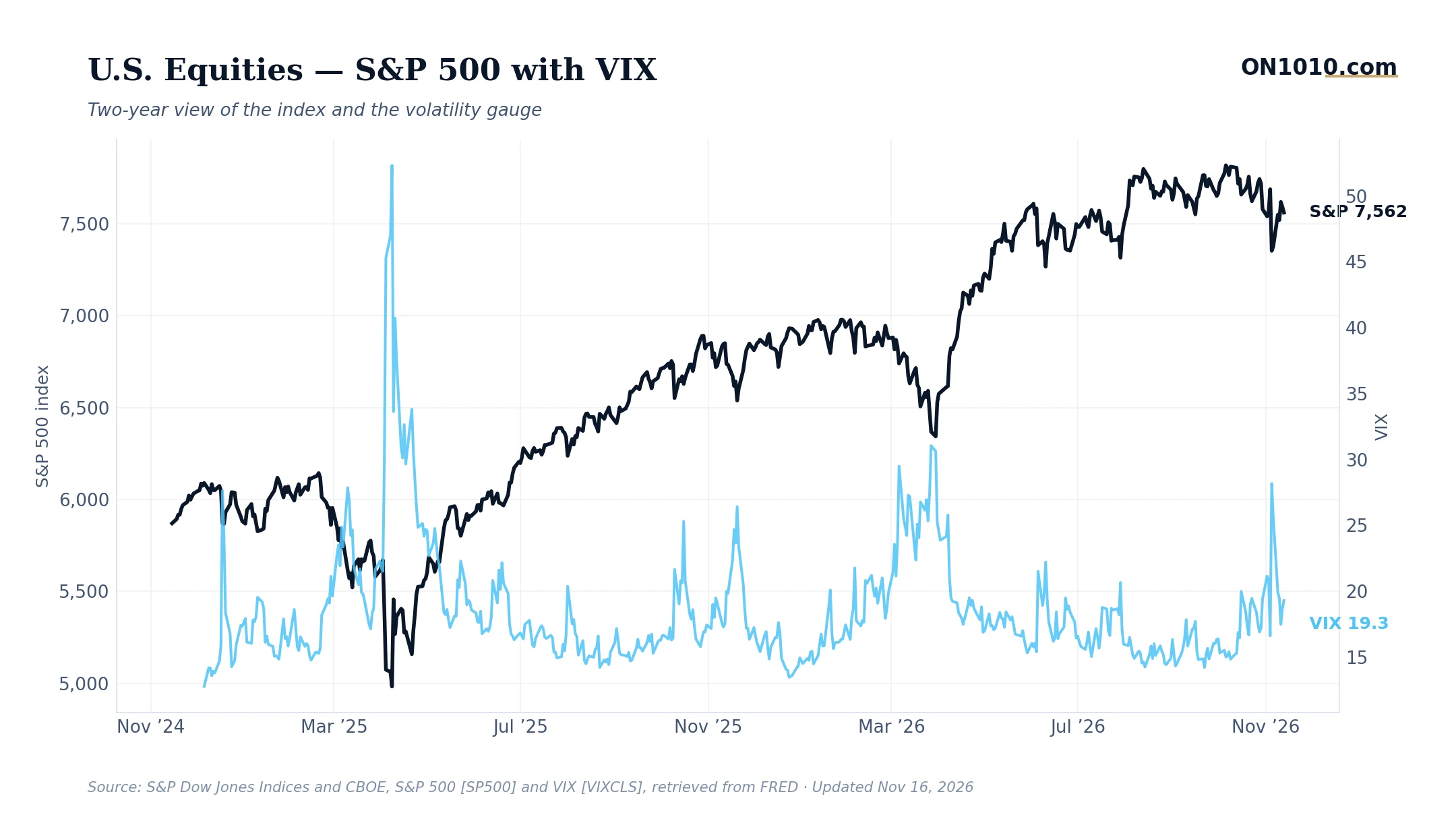
According to CNBC, accounts linked to Donald Trump traded up to $97.5 million in Nvidia stock, with a sale of up to $1 million occurring just five days after he was briefed on CEO Jensen Huang’s connection to a suspected Chinese spy. The timing is what investors are paying attention to.
The specific dollar amounts are almost secondary to the structural question this raises. When trade and technology policy decisions flow through a small number of people, and those same people (or their financial accounts) hold concentrated positions in the companies most affected by those decisions, the information advantage embedded in that arrangement becomes enormous. Nvidia sits at the intersection of two of the most consequential policy debates in the economy right now: AI semiconductor dominance and US-China technology restrictions. Export controls on chips aren’t just regulatory footnotes. They are direct margin events for a company whose data center business has been the primary engine of one of the largest wealth-creation stories in a generation.
For anyone trying to read Nvidia’s forward earnings picture, the relevant inputs include not just demand for GPUs but the precise shape of whatever export framework emerges from Washington. That framework is being written, in part, by people who apparently hold the stock. Historically, investors have treated policy-linked uncertainty around technology hardware names as a reason to widen the range of outcomes they price in, particularly when regulatory decisions are both imminent and opaque. The combination of wide credit spreads, technology underperforming the broader market by nearly 8 percentage points over the past month, and a defensive rotation now running across all four traditionally defensive sectors suggests institutional money is already doing some of that repricing.
The question this leaves open is whether the Nvidia story is idiosyncratic, specific to one company and one set of relationships, or whether it signals something broader about how AI-era capital allocation will interact with an increasingly politicized technology policy environment.
Bottom Line: When the people setting chip export policy and the accounts trading chip stocks overlap, the informational terrain shifts, and the market is already telling you it noticed.
Read more: CNBC Top News
ON1010 Research is an independent publisher of economic education and is not a registered investment adviser, broker-dealer, or investment company. This content is for educational and informational purposes only and is not investment advice or a recommendation to buy, sell, or hold any security. Published under the publisher exemption recognized by Section 202(a)(11)(D) of the Investment Advisers Act of 1940 (Lowe v. SEC). Always consult a qualified financial professional before making any financial decision.
Free Research
The economy moves fast. We make sure you move faster.
Economic data, policy shifts, and market signals — delivered to your inbox.
Subscribe Free