
The Diesel Diplomacy That Quietly Put Oil Back in Surplus
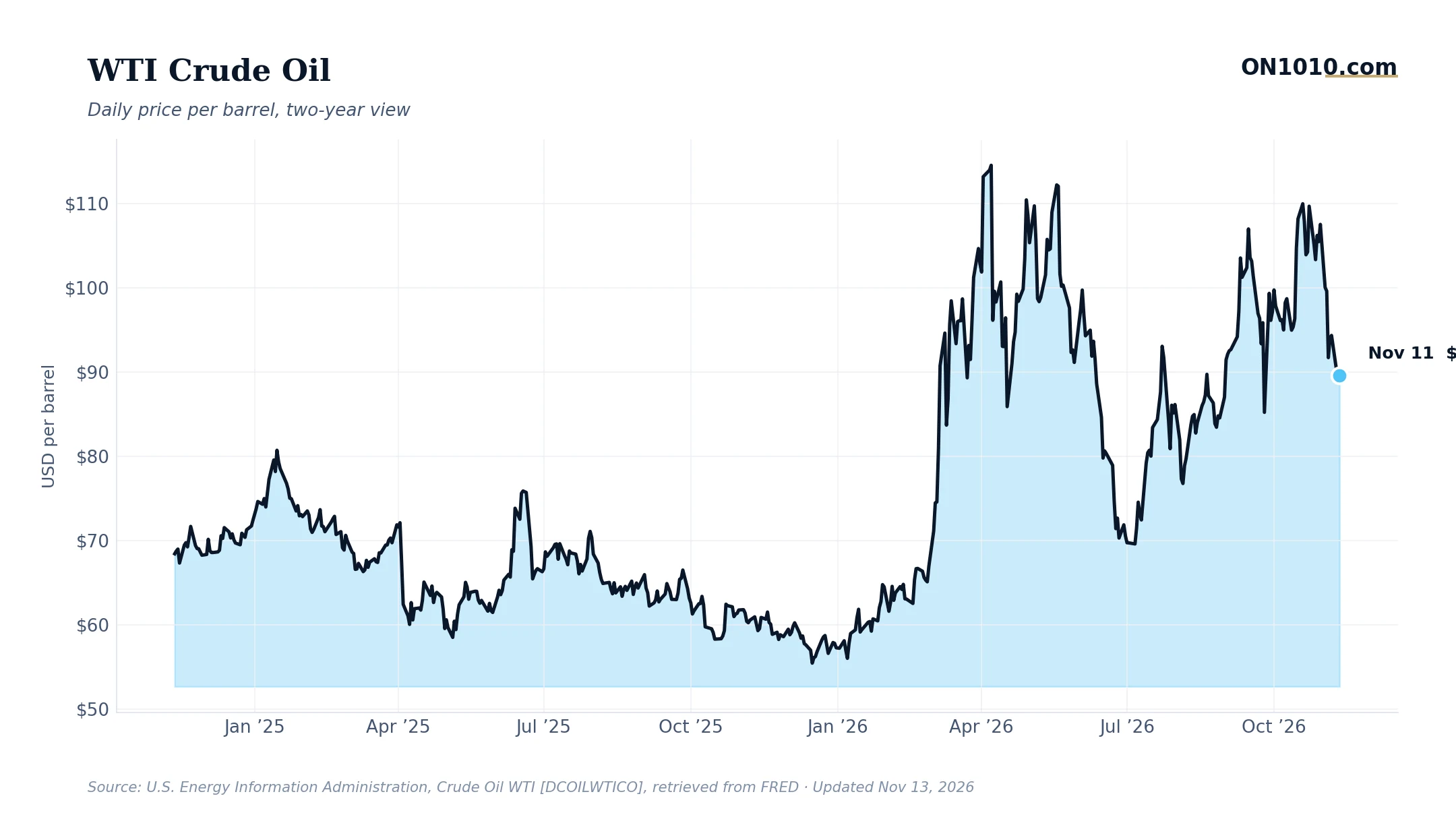
According to the IEA, Russian crude production climbed to 8.73 million barrels a day in October, with recovering Gulf exports pushing global oil supply back above demand. The headline frames this as a rebound story. The more interesting story is what it reveals about how geopolitical deals quietly reshape commodity markets before most investors notice.
The mechanism here runs through incentives, not goodwill. A diplomatic arrangement around diesel apparently gave Russia an opening to restore output that had been constrained. When sanctions or agreements shift, producers respond to the new payoff structure almost immediately. Supply didn’t drift higher, it responded. That’s the baseline rule of commodity markets: policy creates incentives, and incentives drive behavior with a short lag.
The IEA calling global supply “above demand” matters for margins across a wide range of industries. Energy is an input cost for nearly every business that moves goods or manufactures anything. When oil moves into structural surplus, the pressure on input costs eases, which can protect margins for companies that were being squeezed. The flip side: energy producers and exporting economies face a revenue compression that tends to show up in capital spending decisions within a few quarters.
Here’s what makes the backdrop more complicated. Credit spreads are historically wide and still moving, long-term rates are historically elevated and rising, and consumer sentiment sits near multi-decade lows. Historically, investors have treated oil surplus conditions as a double-edged signal: relief for energy-intensive businesses, but also a potential reflection of softening global demand. The question worth tracking is whether supply is running ahead of demand because of geopolitical maneuvering, or because global growth is quietly decelerating.
Bottom Line: Oil moving into surplus sounds like good news for inflation, and it may be. But in an environment where credit is stressed and long rates are rising, the smarter question is what the demand side of that equation is telling us.
Read more: CNBC Top News
ON1010 Research is an independent publisher of economic education and is not a registered investment adviser, broker-dealer, or investment company. This content is for educational and informational purposes only and is not investment advice or a recommendation to buy, sell, or hold any security. Published under the publisher exemption recognized by Section 202(a)(11)(D) of the Investment Advisers Act of 1940 (Lowe v. SEC). Always consult a qualified financial professional before making any financial decision.
Free Research
The economy moves fast. We make sure you move faster.
Economic data, policy shifts, and market signals — delivered to your inbox.
Subscribe Free