
Energy’s “Demand Decade” Has a Catch
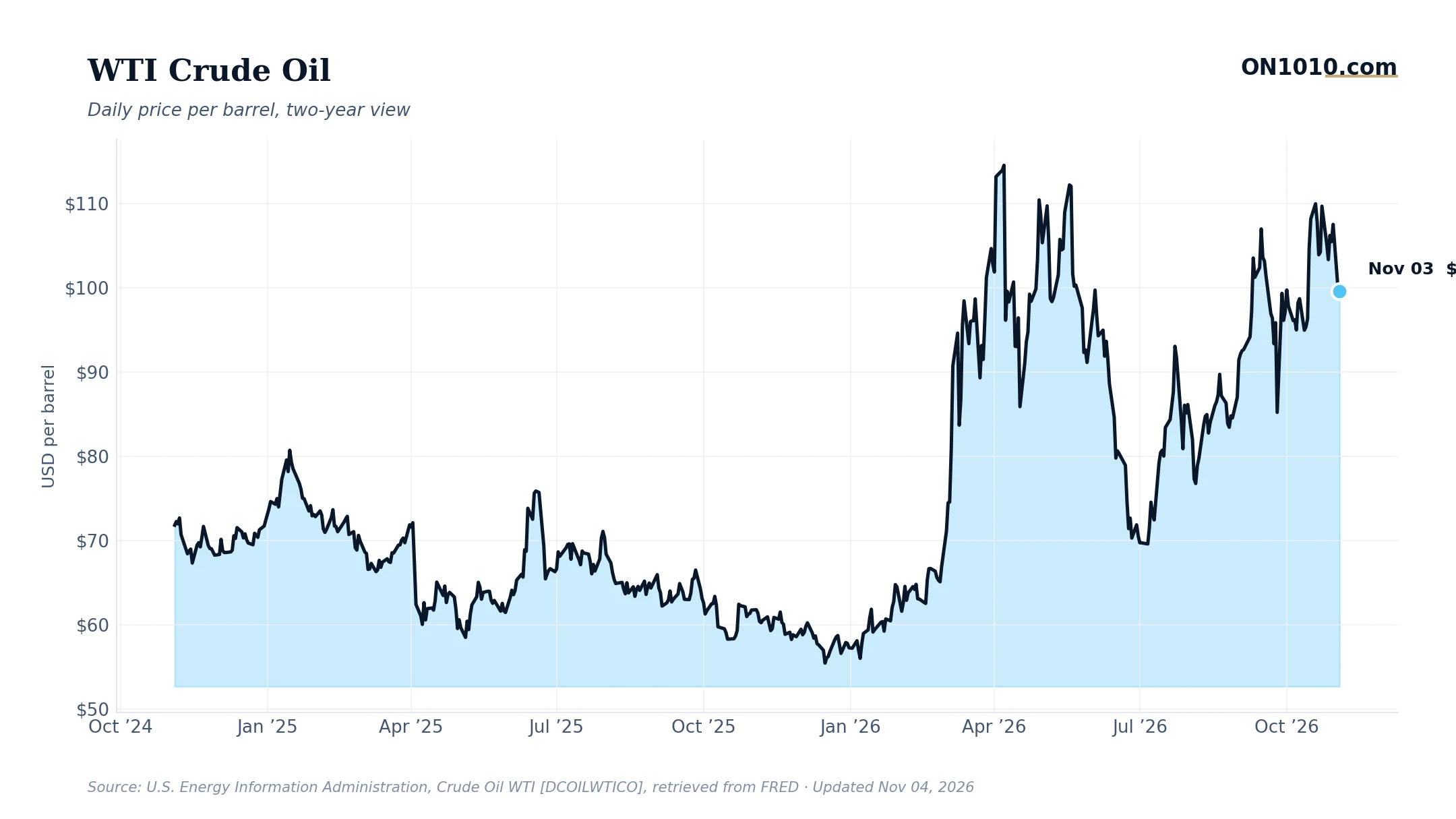
According to CNBC, executives from BP and Baker Hughes, alongside Wall Street analysts, made the case at a recent industry forum that the world is entering a prolonged period of rising energy demand, one that could justify a sustained wave of new investment in oil, gas, and energy infrastructure. The bullish framing is easy to understand. The harder part is figuring out whether capital will actually show up to meet it.
The investment logic is straightforward on the surface. If global energy demand keeps climbing, driven by AI data centers, electrification, and emerging market growth, then the companies that build and operate the infrastructure to serve it should see durable earnings. But energy is one of the most capital-intensive industries on earth, and long-cycle projects (deepwater wells, LNG terminals, pipelines) require producers to commit billions of dollars today against an oil price that might be 30% lower by the time the first barrel flows. That price uncertainty is the central tension. The executives can be right about demand and still face thin margins if supply overshoots or geopolitical instability disrupts trade flows.
The macro backdrop adds another layer. Credit spreads are wide and rising, monetary policy remains restrictive, and sector rotation data shows institutional money moving decisively into defensives and away from growth-oriented sectors. Consumer sentiment is near historic lows. None of that creates an obvious green light for the kind of long-duration capital commitments the “demand decade” thesis requires. Capital goes where it’s treated best, and right now the cost of capital is high enough to make even compelling demand stories look marginal at the project level.
Historically, investors have used periods of elevated producer caution (and the underinvestment that follows) as a framework for thinking about future supply tightness, since constrained supply can eventually harden prices and margins even when demand growth is modest. The question this setup raises is whether the investment actually materializes before demand outruns available supply, and what the spread between those two timelines looks like.
Bottom Line: Energy executives are bullish on demand, but capital commitments require price confidence that the market isn’t currently offering, and that gap between the story and the investment is exactly where the real risk lives.
Read more: CNBC Top News
ON1010 Research is an independent publisher of economic education and is not a registered investment adviser, broker-dealer, or investment company. This content is for educational and informational purposes only and is not investment advice or a recommendation to buy, sell, or hold any security. Published under the publisher exemption recognized by Section 202(a)(11)(D) of the Investment Advisers Act of 1940 (Lowe v. SEC). Always consult a qualified financial professional before making any financial decision.
Free Research
The economy moves fast. We make sure you move faster.
Economic data, policy shifts, and market signals — delivered to your inbox.
Subscribe Free