
Three Paths to Lower Rates, Zero of Them Guaranteed
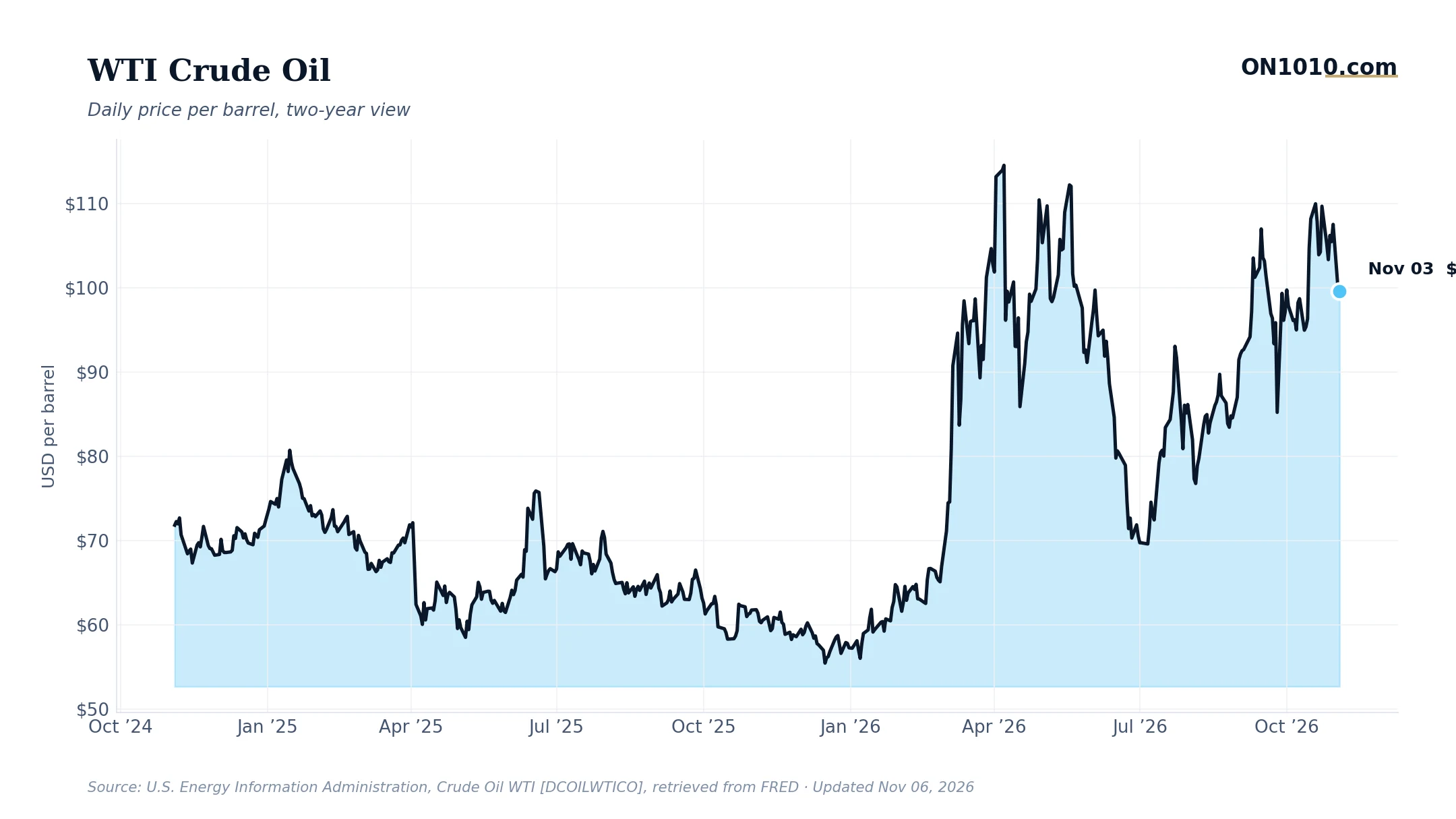
According to CNBC, a Democrat sweep in the midterms has markets repricing the trajectory of interest rates, with three potential catalysts in play: a resolution to the Iran conflict that cools oil prices, slower U.S. economic growth, and a fiscal policy shift. The catch is that all three are conditional, and markets have a long history of pricing in political outcomes that never arrive on schedule.
Here is where the economic backdrop makes this genuinely interesting. Inflation is running hotter than roughly nine of every ten months on record, and the real policy rate is already restrictive by historical standards. That combination puts the Fed in a narrow corridor: cut too soon and inflation re-accelerates; hold too long and something in the credit markets breaks. Credit spreads have been wide and stressed, though they are now starting to narrow. Long-term rates remain elevated but are also moving lower. The bond market, which tends to cut through political noise faster than equity investors do, appears to be doing some early repositioning. When bonds and politics align even loosely, the signal is worth watching.
The Iran angle is the most economically direct of the three scenarios. If a diplomatic resolution meaningfully reduces energy prices, it lowers input costs across the economy, which relieves some pressure on corporate margins and gives the Fed cover to pause or pivot without looking like it surrendered on inflation. The growth slowdown path is less clean: slower growth reduces inflation pressure, but it also compresses the revenue side of the margin equation, which is a different kind of problem for businesses planning capital expenditures. Historically, investors have treated election-driven rate narratives as directionally useful but timing-unreliable, because the legislative calendar and the Fed’s data dependency rarely move in sync.
The sector rotation visible in markets right now tells a parallel story. Consumer staples, health care, real estate, and utilities are all outperforming meaningfully, while technology has pulled back sharply. That is the positioning of investors who are not confident the rate relief arrives quickly.
Bottom Line: Three plausible reasons rates could fall, all contingent on events that are still unfolding. The economic conditions for a pivot are present on paper. The conditions for certainty are not.
Read more: CNBC Top News
ON1010 Research is an independent publisher of economic education and is not a registered investment adviser, broker-dealer, or investment company. This content is for educational and informational purposes only and is not investment advice or a recommendation to buy, sell, or hold any security. Published under the publisher exemption recognized by Section 202(a)(11)(D) of the Investment Advisers Act of 1940 (Lowe v. SEC). Always consult a qualified financial professional before making any financial decision.
Free Research
The economy moves fast. We make sure you move faster.
Economic data, policy shifts, and market signals — delivered to your inbox.
Subscribe Free