
When Banks Pull Back, Watch the Small Business Sector First
According to CNBC, the Fed’s October bank lending survey shows banks are tightening standards for small business loans and commercial real estate while making credit harder to get for subprime borrowers. The survey itself is dry bureaucratic reading. The timing is not.
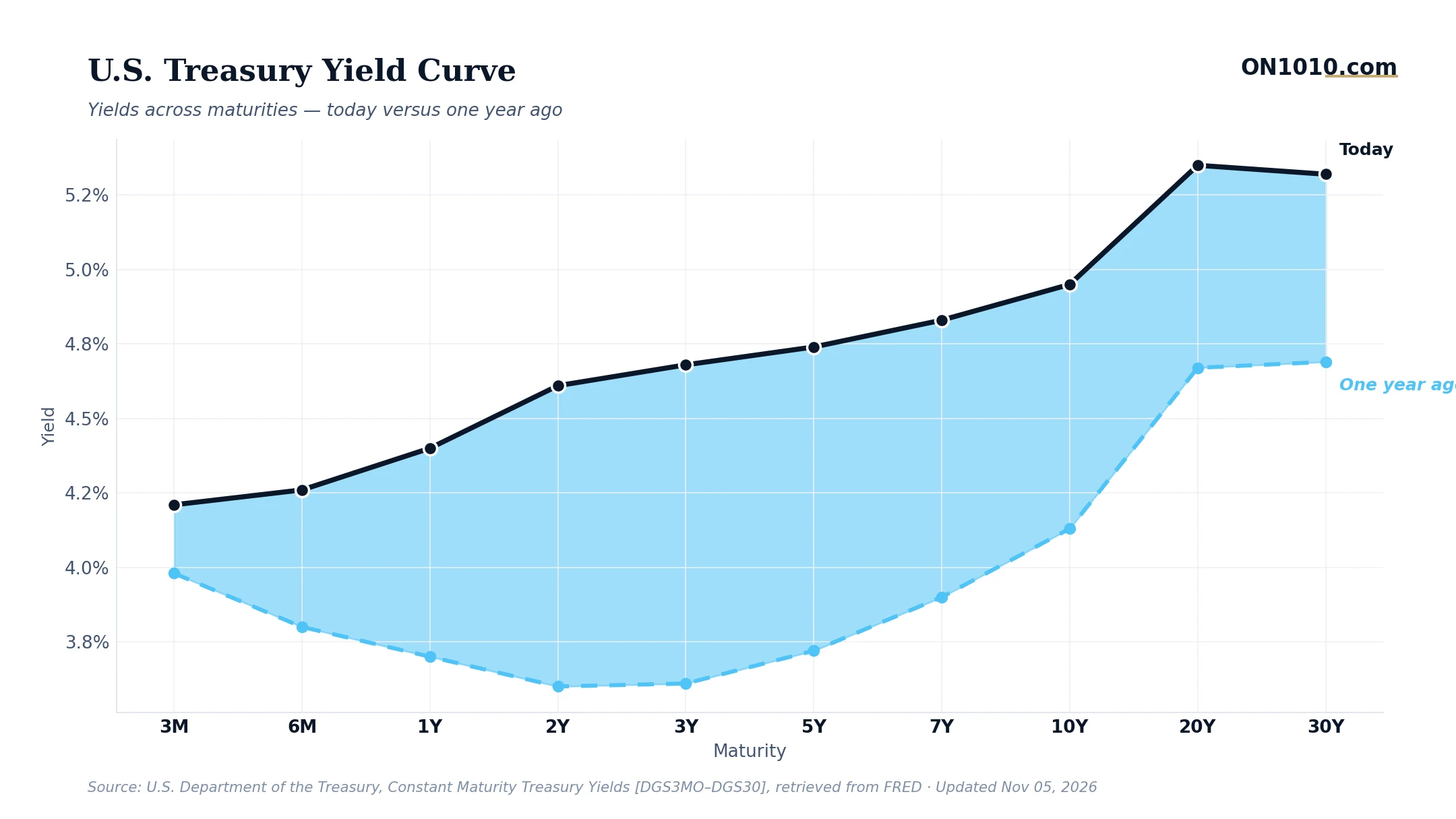
Here is what the report reveals: credit is tightening precisely when the broader financial environment is already doing the heavy lifting. Real policy rates are high by historical standards. Long-term rates are sitting in the upper range of their historical record. Credit spreads are wide and moving wider. Each of those conditions alone slows borrowing. Together, they stack.
The small business piece is where this gets interesting. Small firms don’t tap bond markets. They can’t issue commercial paper. When bank credit tightens, their options narrow fast. Small businesses are also responsible for a disproportionate share of net new hiring in the U.S. economy, so when their access to capital shrinks, it doesn’t stay contained in a spreadsheet somewhere. It shows up eventually in payroll decisions.
Commercial real estate faces a separate problem layered on top. Banks were already cautious on CRE coming into this survey, given the work-from-home structural shift that permanently changed office demand. Tighter standards now compound a problem that was never fully resolved.
Historically, investors have watched bank lending surveys as one of the more reliable leading signals for credit availability across the economy. The survey tends to tighten before the broader economic data slows, because lending decisions happen weeks or months before the spending or hiring those loans would have funded. When credit conditions tighten across multiple categories simultaneously, the question worth asking is whether the economy can sustain its current growth pace through equity financing and cash flows alone, without the lubricant of expanding bank credit.
Bottom Line: Banks tightening credit to small businesses and commercial real estate, against a backdrop of high real rates and widening credit spreads, is exactly the kind of multi-layer pressure that shows up in payrolls and investment data three to six months later.
Read more: CNBC Top News
ON1010 Research is an independent publisher of economic education and is not a registered investment adviser, broker-dealer, or investment company. This content is for educational and informational purposes only and is not investment advice or a recommendation to buy, sell, or hold any security. Published under the publisher exemption recognized by Section 202(a)(11)(D) of the Investment Advisers Act of 1940 (Lowe v. SEC). Always consult a qualified financial professional before making any financial decision.
Free Research
The economy moves fast. We make sure you move faster.
Economic data, policy shifts, and market signals — delivered to your inbox.
Subscribe Free