
When “The War Is Ending” Lands Differently Than It Should
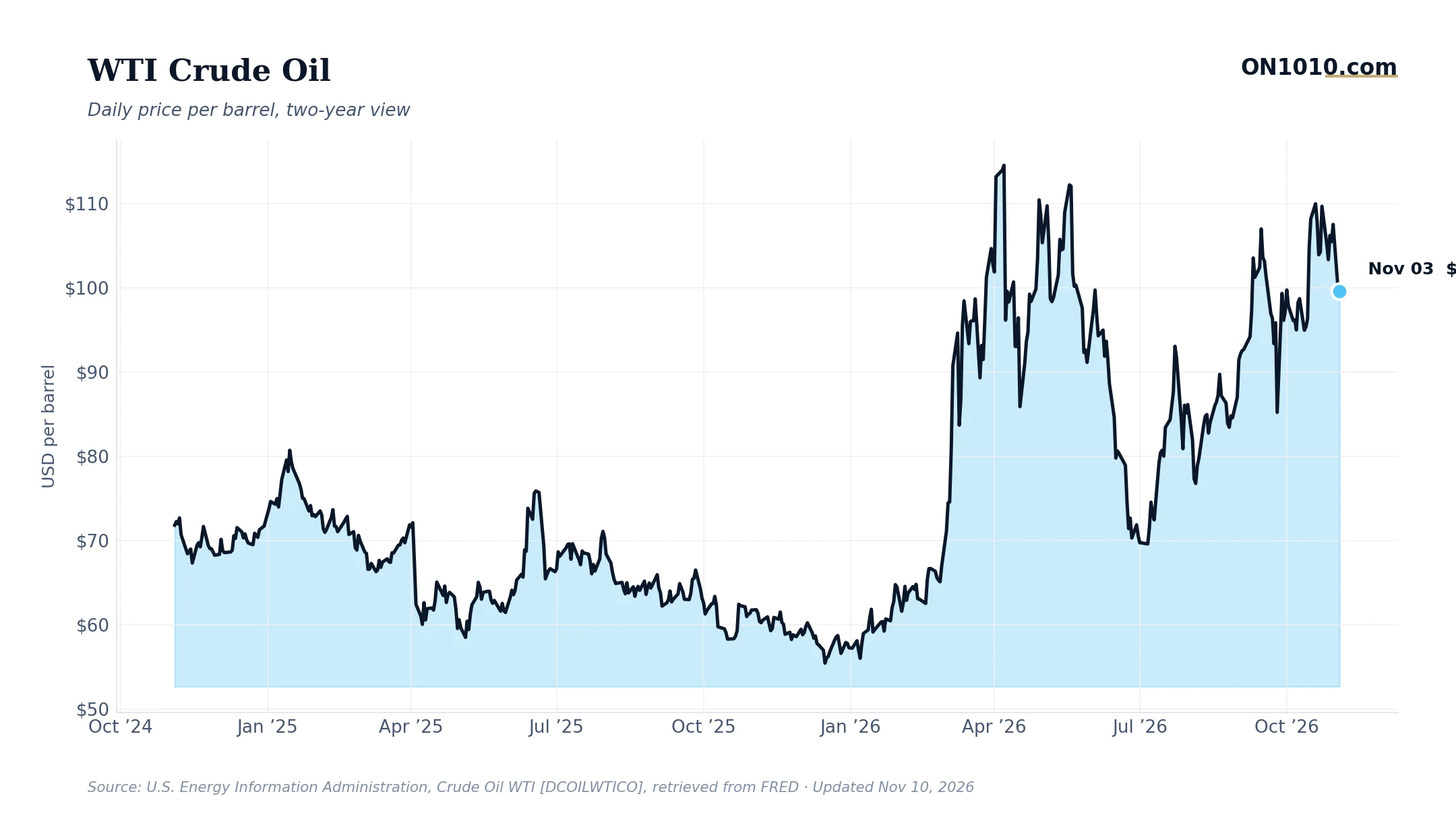
According to CNBC, President Trump said the conflict with Iran is coming to an end “fairly soon,” declaring that Iran’s military is “effectively over” after the destruction of its navy, and pointing to surging Iranian inflation as evidence that Tehran’s economy has been hollowed out. The diplomatic signal is clear. What’s less clear is why markets aren’t reacting the way a de-escalation headline normally would.
The standard playbook says a winding-down military conflict in the Middle East means lower energy risk premiums, calmer credit markets, and capital rotating back toward growth assets. That playbook isn’t showing up right now. Defensive sectors have outpaced offensive ones by nearly 11 percentage points over the past month, with healthcare and consumer staples leading the charge. Technology is down more than 10% against the broader market. Credit spreads remain wide by historical standards and have only recently stabilized after rising. The market is not celebrating.
That divergence is worth examining carefully. Even if the Iran conflict fades, the broader economic backdrop carries real friction. Core inflation sits in the upper tier of its historical range, the real policy rate remains restrictive, and long-term interest rates are still elevated. Consumer sentiment is near historic lows. The economy is not in recession, but several of the conditions that have historically preceded one are quietly stacking up. Restrictive monetary policy combined with high long-term rates has preceded a new recession within twelve months roughly 20% of the time in the historical record. That is not a forecast. It is a base rate worth knowing.
Historically, investors have treated geopolitical de-escalation as a relief valve, especially when energy supply routes were at stake. The question this time is whether the structural pressures on margins and capital costs are heavy enough that removing one geopolitical risk doesn’t change the broader calculus. When credit is expensive and consumer confidence is fragile, businesses tend to stay cautious about hiring and investment, regardless of foreign policy headlines.
Bottom Line: A quieter Strait of Hormuz matters, but the market’s defensive posture is telling you the bigger risks investors are pricing aren’t in Tehran.
Read more: CNBC Top News
ON1010 Research is an independent publisher of economic education and is not a registered investment adviser, broker-dealer, or investment company. This content is for educational and informational purposes only and is not investment advice or a recommendation to buy, sell, or hold any security. Published under the publisher exemption recognized by Section 202(a)(11)(D) of the Investment Advisers Act of 1940 (Lowe v. SEC). Always consult a qualified financial professional before making any financial decision.
Free Research
The economy moves fast. We make sure you move faster.
Economic data, policy shifts, and market signals — delivered to your inbox.
Subscribe Free