
When “The War Is Over” Meets a Market That Doesn’t Believe It
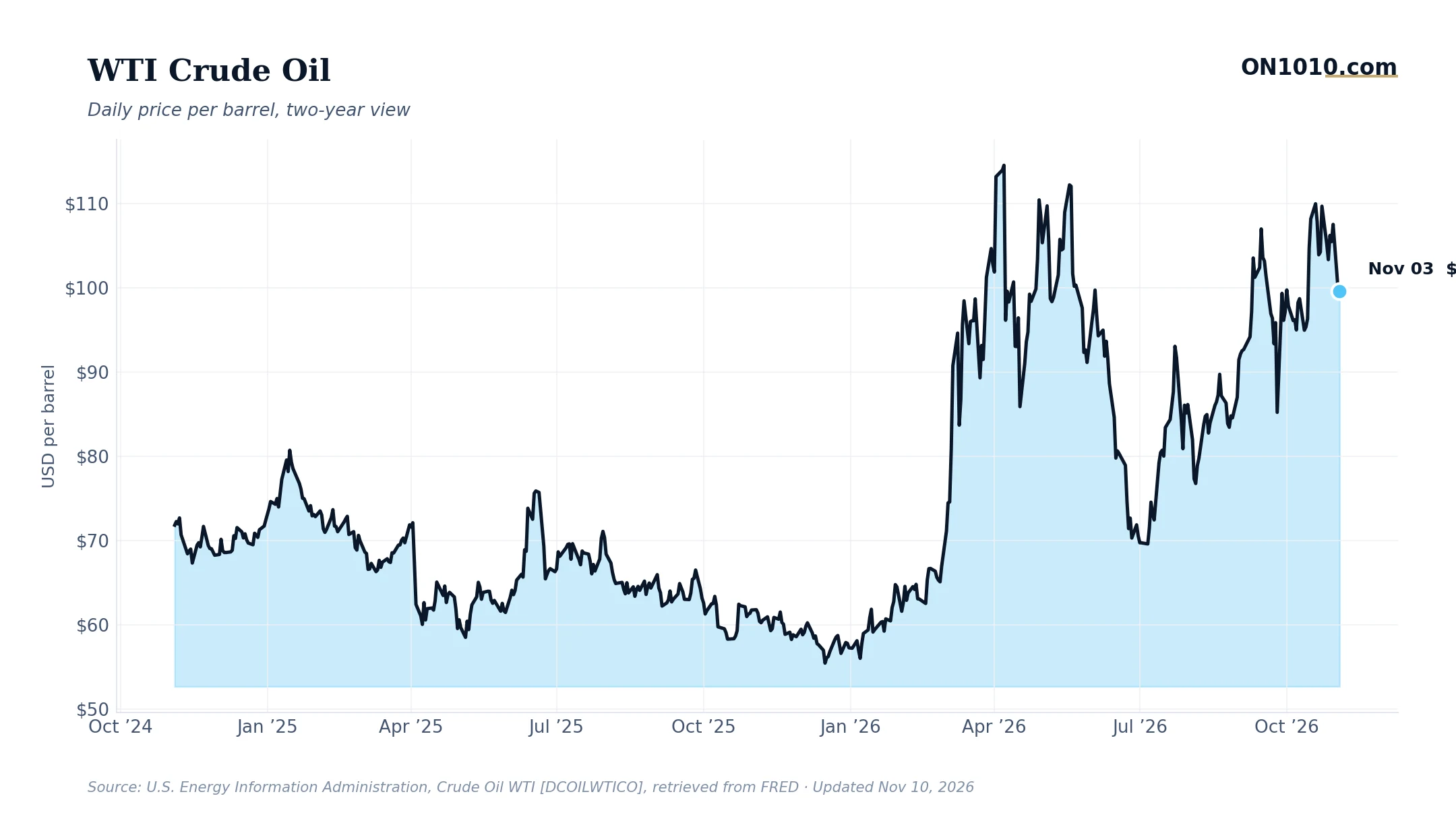
According to CNBC, President Trump declared that Iran “militarily is effectively over,” citing the destruction of its navy and what he described as runaway inflation gutting Tehran’s economy, while also signaling that any further military action is unlikely in the near term. The ceasefire signal is real. But markets are sending a very different message.
The sector rotation data tells the story bluntly. Defensive sectors are outperforming offensive ones by nearly 11 percentage points over the past month. Health care, consumer staples, real estate, and utilities are all running well ahead of the broader market, while technology has fallen more than 10 percentage points behind. That is not the positioning of a market exhaling in relief at a war winding down. Money is moving toward safety, not toward growth.
Credit spreads are sitting near the top of their historical range, and market uncertainty is elevated and rising. Consumer sentiment is near historic lows. The real policy rate is restrictive. Long-term interest rates, while falling slightly, remain in the upper quarter of their historical range. Each of those conditions individually is manageable. Together, they describe an economy where the financial system is already stressed before you layer in geopolitical risk.
The Iran story matters for energy markets, shipping costs, and global supply chains, particularly anything that flows through the Persian Gulf. Historically, when geopolitical premiums come out of oil prices, the effect can ripple through inflation expectations and give central banks more room to ease. But that logic only works cleanly if the conflict resolution is durable and credible, two things markets clearly are not yet pricing as certainties. The question worth asking is not whether the war is winding down, but whether the economic damage it accelerated, in inflation, in trade costs, in investment hesitation, reverses at anything close to the same speed.
Bottom Line: A ceasefire declaration can change headlines overnight. The economic conditions that built up around a prolonged conflict take considerably longer to unwind, and right now the data suggests the market is not done pricing the risk.
Read more: CNBC Top News
ON1010 Research is an independent publisher of economic education and is not a registered investment adviser, broker-dealer, or investment company. This content is for educational and informational purposes only and is not investment advice or a recommendation to buy, sell, or hold any security. Published under the publisher exemption recognized by Section 202(a)(11)(D) of the Investment Advisers Act of 1940 (Lowe v. SEC). Always consult a qualified financial professional before making any financial decision.
Free Research
The economy moves fast. We make sure you move faster.
Economic data, policy shifts, and market signals — delivered to your inbox.
Subscribe Free