
Economic Wire: Trump’s oil investments have gained millions during Iran war
When the President’s Portfolio Wins as Bombs Fall on Iran
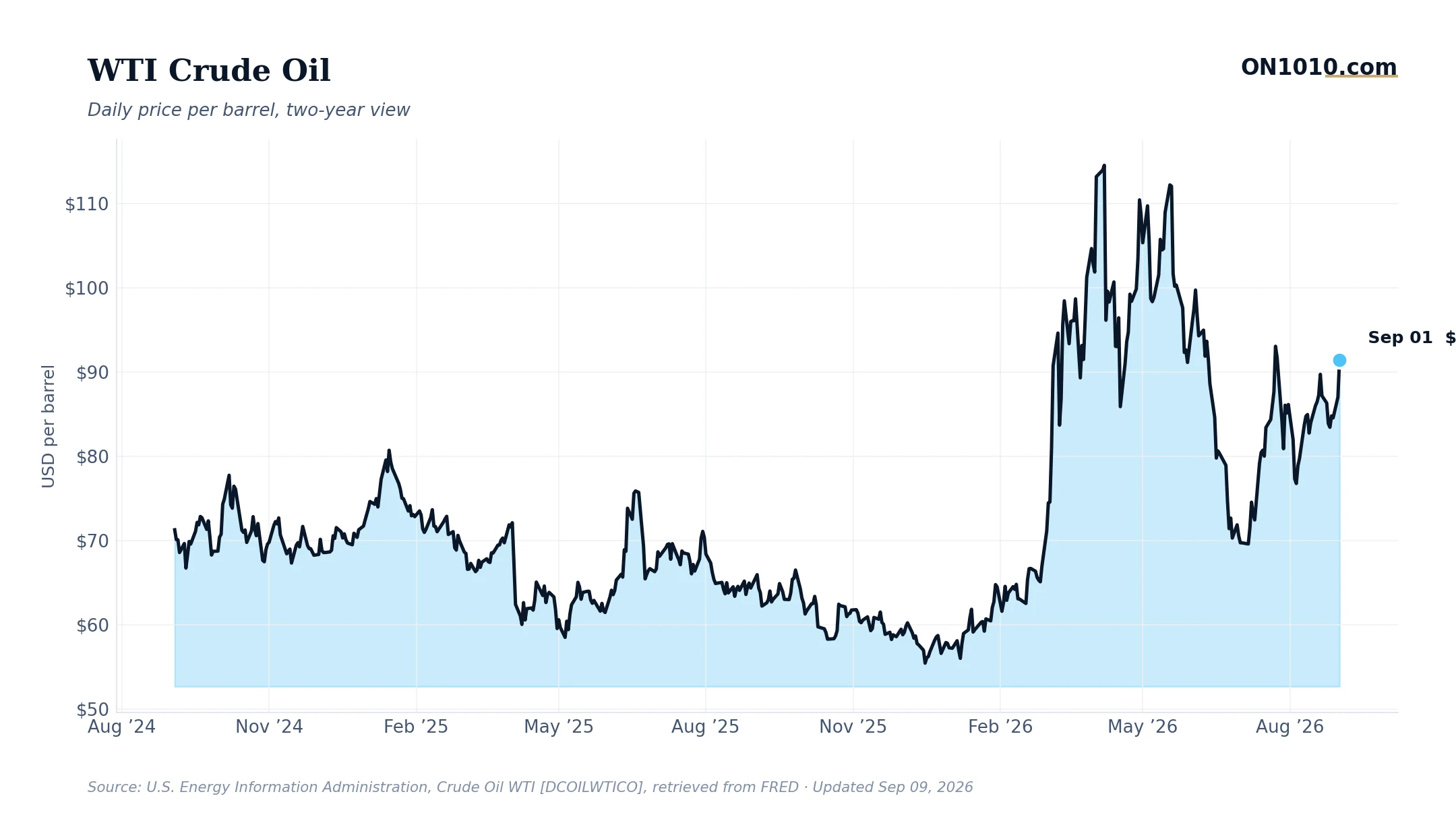
According to CNBC, Donald Trump retained significant oil and gas holdings throughout the Iran war, with an analysis of his accounts, trades, and estimated gains showing his energy investments appreciated materially as the conflict moved energy markets.
The uncomfortable truth here is that this is the policy-incentive problem in its starkest possible form. When the person setting foreign policy also holds concentrated positions in the assets most sensitive to that policy’s outcomes, the incentive structure becomes genuinely difficult to untangle. Markets price energy on supply expectations. Wars that threaten Middle East supply routes push those prices higher. A portfolio long oil benefits directly from that dynamic. The causal arrow between policy choices and portfolio gains does not have to be intentional for the incentive distortion to be real.
This is also a story about who absorbs the cost of higher energy prices. Oil and gas investors capture the upside through asset appreciation. Businesses running on fuel, manufacturers shipping goods, and consumers filling gas tanks absorb the downside through compressed margins and reduced purchasing power. That redistribution from consumers and businesses to asset holders is exactly the kind of structural shift that shows up slowly in spending data and corporate margins, then surprises everyone when it lands.
Historically, investors and analysts have paid close attention to policy-linked conflicts of interest because they can act as a hidden tax on the broader economy even when asset prices look calm on the surface. Credit markets currently look relaxed, which suggests institutional investors are not yet pricing significant systemic risk from this dynamic. The question worth sitting with is whether that calm reflects genuine economic resilience or simply the lag between a structural distortion and its eventual effect on margins and growth.
Bottom Line: The policy-incentive problem is not just a governance issue, it is an economic one. When decision-makers hold concentrated positions in the assets their decisions move, the cost shows up somewhere, and it usually shows up in everyone else’s margins first.
Read more: CNBC Top News
ON1010 Research is an independent publisher of economic education and is not a registered investment adviser, broker-dealer, or investment company. This content is for educational and informational purposes only and is not investment advice or a recommendation to buy, sell, or hold any security. Published under the publisher exemption recognized by Section 202(a)(11)(D) of the Investment Advisers Act of 1940 (Lowe v. SEC). Always consult a qualified financial professional before making any financial decision.
Free Research
The economy moves fast. We make sure you move faster.
Economic data, policy shifts, and market signals — delivered to your inbox.
Subscribe Free