
THE ECB Is Hiking Into a Slowing Economy. That’s the Trap.
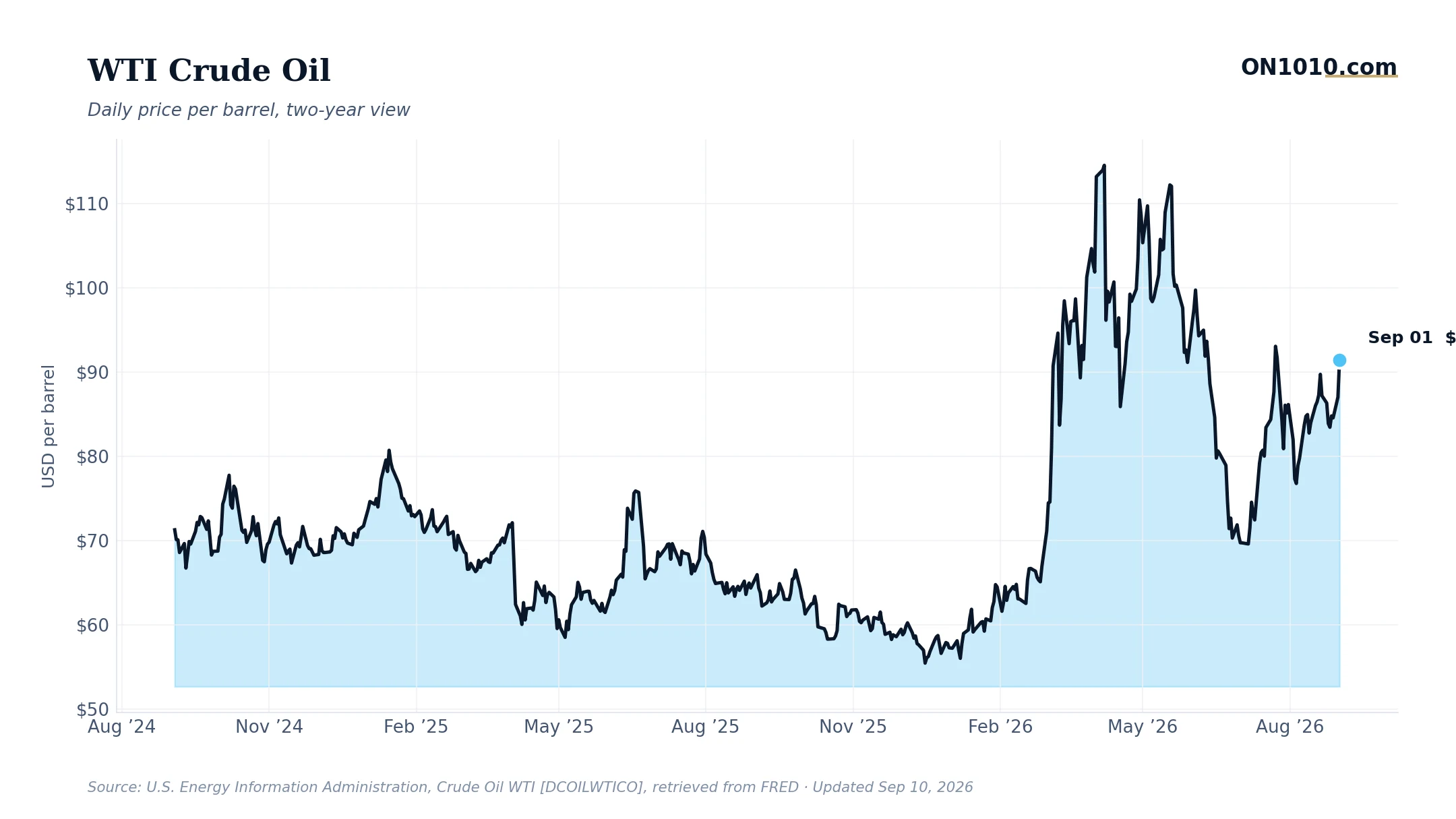
According to CNBC, the European Central Bank raised its key interest rate to 2.5% on September 10th, citing stubborn inflation risks even as the U.S.-Iran war and surging government borrowing costs darken the growth outlook. The ECB is tightening policy precisely when the economy may need the opposite.
This is the classic central banker’s dilemma, made sharper by geopolitics. The U.S.-Iran conflict is pushing energy costs higher across Europe, which is simultaneously inflationary (through fuel and input prices) and contractionary (through a squeeze on household budgets and corporate margins). The ECB can’t fix a supply shock by raising rates. What higher rates can do is slow demand further, which brings inflation down the hard way: by weakening the economy enough that businesses lose pricing power. That’s a painful path, and European firms operating on already-thin margins are the ones who feel it first.
The surging government borrowing costs mentioned in the article deserve attention separately. When sovereign yields rise at the same time the ECB is hiking its policy rate, the pressure on heavily indebted eurozone governments compounds quickly. More of every tax euro goes to interest payments instead of productive investment. That crowd-out effect tends to show up in growth data with a lag, which is one reason the damage from a rate cycle often looks worse six to twelve months after the hikes stop than when they’re happening.
Historically, investors watching a central bank hike into a slowing economy have paid close attention to corporate earnings guidance rather than the rate decision itself. Margins are where the pressure lands first. The question being asked in those environments: can companies hold prices, or will slowing demand force them to absorb higher costs?
Bottom Line: The ECB’s rate hike buys credibility on inflation at the price of growth it can’t easily afford to lose, and European businesses will feel that trade-off in their margins before the data catches up.
Read more: CNBC Top News
ON1010 Research is an independent publisher of economic education and is not a registered investment adviser, broker-dealer, or investment company. This content is for educational and informational purposes only and is not investment advice or a recommendation to buy, sell, or hold any security. Published under the publisher exemption recognized by Section 202(a)(11)(D) of the Investment Advisers Act of 1940 (Lowe v. SEC). Always consult a qualified financial professional before making any financial decision.
Free Research
The economy moves fast. We make sure you move faster.
Economic data, policy shifts, and market signals — delivered to your inbox.
Subscribe Free