
When the Fed Lifts Its Hand: What a Terminated Enforcement Action Actually Signals
According to a Federal Reserve press release, the Fed has terminated its enforcement action against SNB Bancshares and its subsidiary, Bank of Eufaula. The announcement is brief and bureaucratic. But the story behind the story is more interesting than the headline suggests.
Enforcement terminations don’t get much coverage. Consent orders, written agreements, and cease-and-desist letters tend to land with a thud when they’re issued. When regulators quietly close them out, most people miss it. But for the institutions involved, a termination is meaningful: it signals that the bank has satisfied whatever corrective measures the Fed required, whether that involved capital adequacy, risk management, internal controls, or governance. The Fed doesn’t close these actions as a courtesy. The bank had to earn its way out.
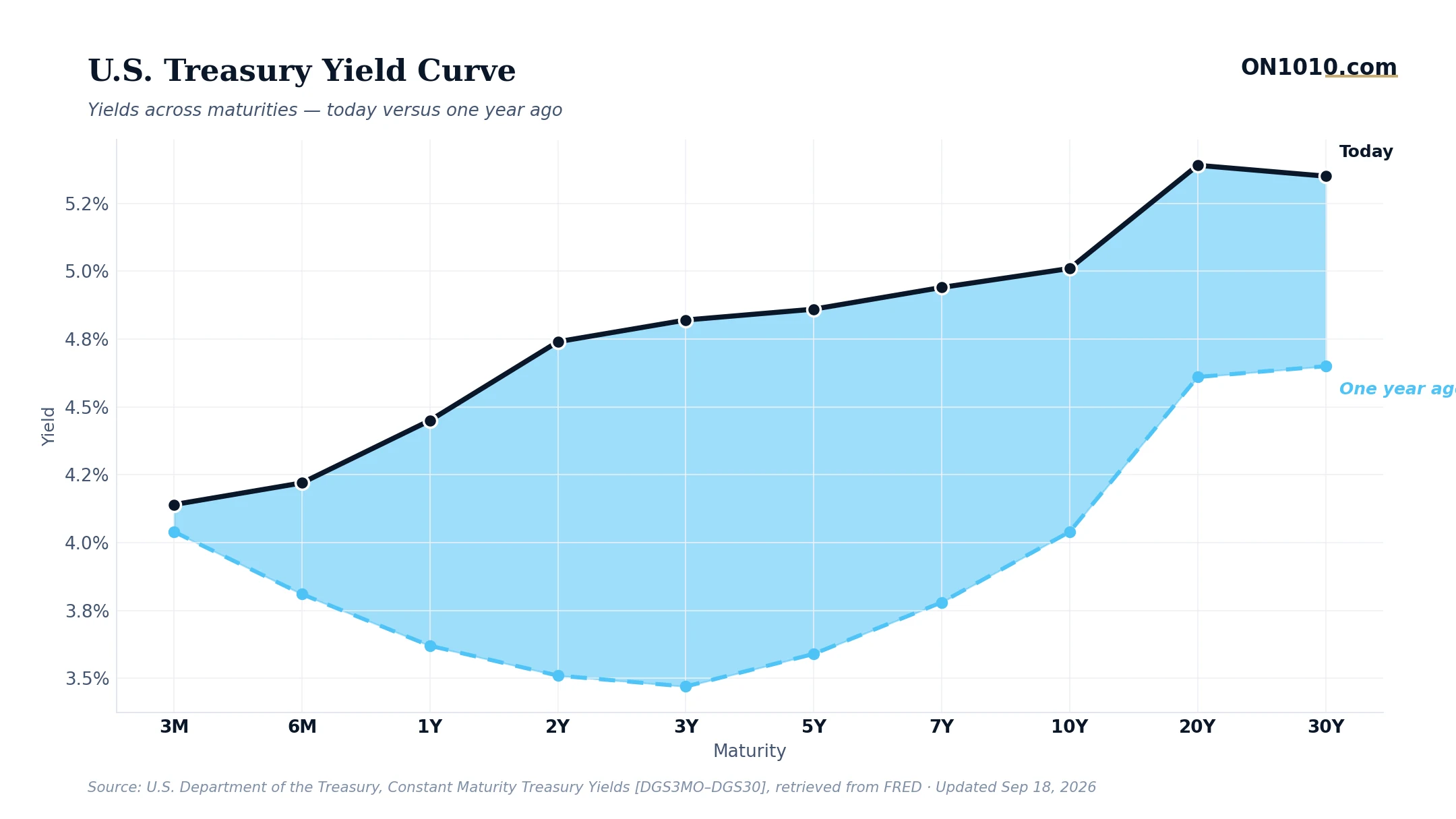
The broader context here matters. Banks are operating in an environment where long-term interest rates are sitting near the upper end of their historical range, credit spreads remain historically tight, and regulators have been under pressure to tighten oversight of smaller community institutions since the regional bank stress of 2023. For a community bank like Bank of Eufaula, successfully exiting an enforcement action means restored operational flexibility, fewer restrictions on activities, and reduced compliance costs on the margin. Those things compound into better capital allocation over time.
Historically, investors and analysts who track community banking have treated enforcement terminations as a quiet positive for the affected institution’s risk profile, even when the action itself was never large enough to threaten solvency. The question worth asking for anyone watching this space: how many similar enforcement closures are happening at smaller institutions right now, and what does that say about regulatory posture heading into the next credit cycle?
Bottom Line: When regulators close an enforcement action, they’re certifying that a bank fixed what was broken. In a rate environment that keeps pressure on smaller banks’ margins and liquidity, that certification matters more than it used to.
Read more: Federal Reserve Press Releases
ON1010 Research is an independent publisher of economic education and is not a registered investment adviser, broker-dealer, or investment company. This content is for educational and informational purposes only and is not investment advice or a recommendation to buy, sell, or hold any security. Published under the publisher exemption recognized by Section 202(a)(11)(D) of the Investment Advisers Act of 1940 (Lowe v. SEC). Always consult a qualified financial professional before making any financial decision.
Free Research
The economy moves fast. We make sure you move faster.
Economic data, policy shifts, and market signals — delivered to your inbox.
Subscribe Free