
“Resolute” Sounds Simple. It Isn’t.
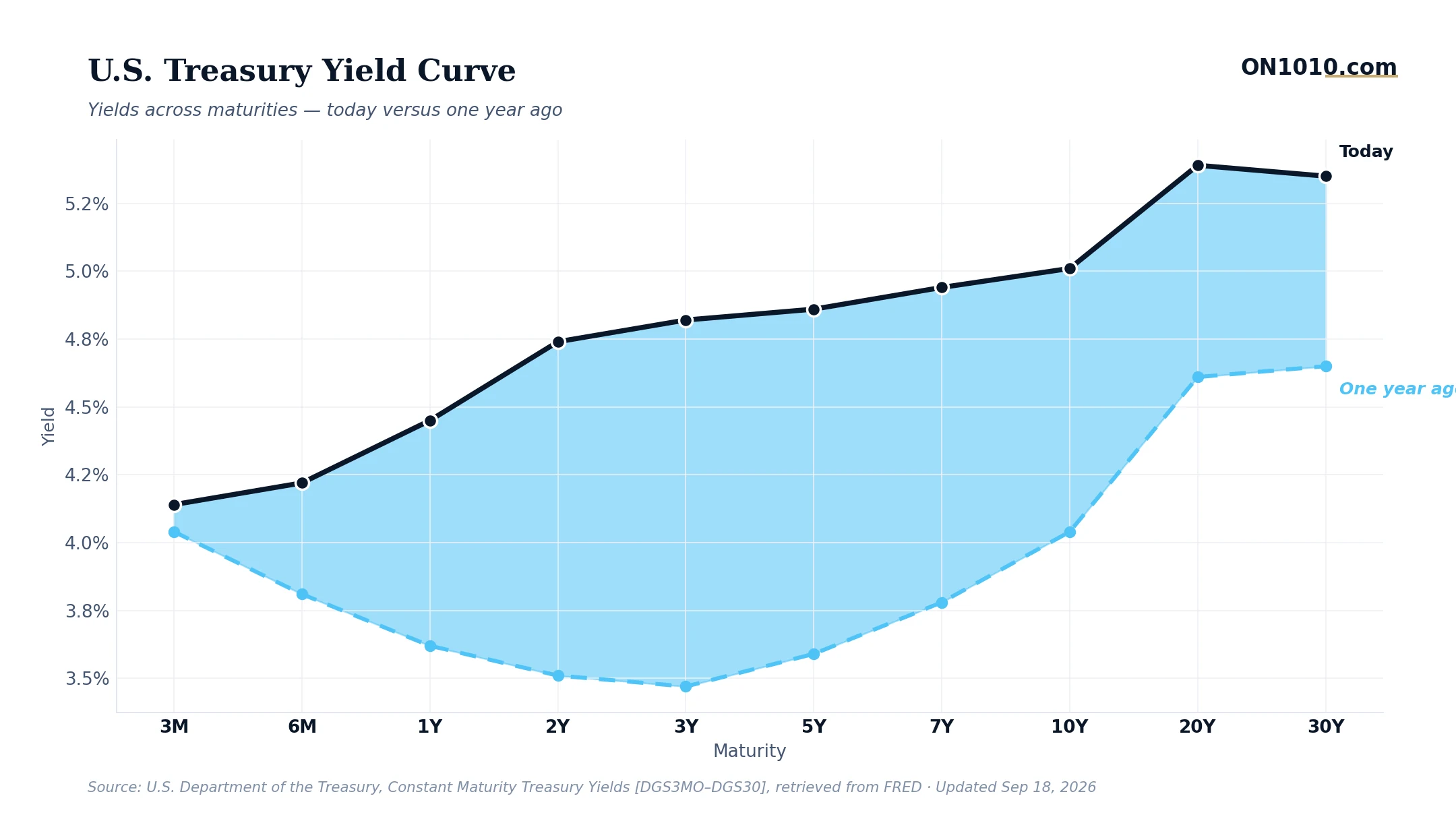
According to CNBC, Fed Chair Kevin Warsh explained this week’s rate hike with three words that have Wall Street doing a double-take: the Fed remains “resolute” on inflation. Simple enough on the surface. The problem is what “resolute” means when core inflation is still running hotter than roughly nine of every ten months in the last several decades of recorded data.
Here is the tension worth tracking. Monetary policy is currently sitting near its historical midpoint, which sounds reasonable until you place it alongside an inflation reading that is anything but middling. When the policy rate and the inflation rate are that far apart in the wrong direction, “resolute” stops being reassurance and starts being a warning about how much further rates may need to travel. The bond market is already pricing this in: long-term interest rates sit in the upper quarter of their entire modern history, and they are rising. Historically, readings like that have preceded a recession within twelve months about 19% of the time. Worth knowing, not predicting.
What makes Warsh’s framing strategically interesting is the ambiguity he apparently left intact. “Resolute” commits to the direction without announcing the destination. That creates a second-order problem for businesses: when the ceiling is unclear, capital allocation decisions get harder. Companies weighing long-term investment, new facilities, multi-year hiring plans, equipment financing, are essentially pricing a rate path nobody at the Fed has specified. Historically, that kind of uncertainty tends to compress business investment before it compresses margins, which matters because margins lead employment. Watch unit labor costs and corporate pricing power in the next two quarters more than any single Fed statement.
Consumer sentiment is already near historic lows even as credit spreads remain tight, which is the kind of split signal that rarely resolves cleanly. The market’s trend and participation gauges are deteriorating even as the S&P holds above its key moving averages. These are not contradictions to dismiss; they are the economy speaking in two registers at once.
Bottom Line: The Fed just raised rates and left the finish line deliberately off the map. When policy intent is clear but policy duration is not, the cost of being wrong about timing rises for everyone allocating capital.
Read more: CNBC Top News
ON1010 Research is an independent publisher of economic education and is not a registered investment adviser, broker-dealer, or investment company. This content is for educational and informational purposes only and is not investment advice or a recommendation to buy, sell, or hold any security. Published under the publisher exemption recognized by Section 202(a)(11)(D) of the Investment Advisers Act of 1940 (Lowe v. SEC). Always consult a qualified financial professional before making any financial decision.
Free Research
The economy moves fast. We make sure you move faster.
Economic data, policy shifts, and market signals — delivered to your inbox.
Subscribe Free