
Inflation Just Hit Its Highest Level Since 2022. The Fed Isn’t Done.
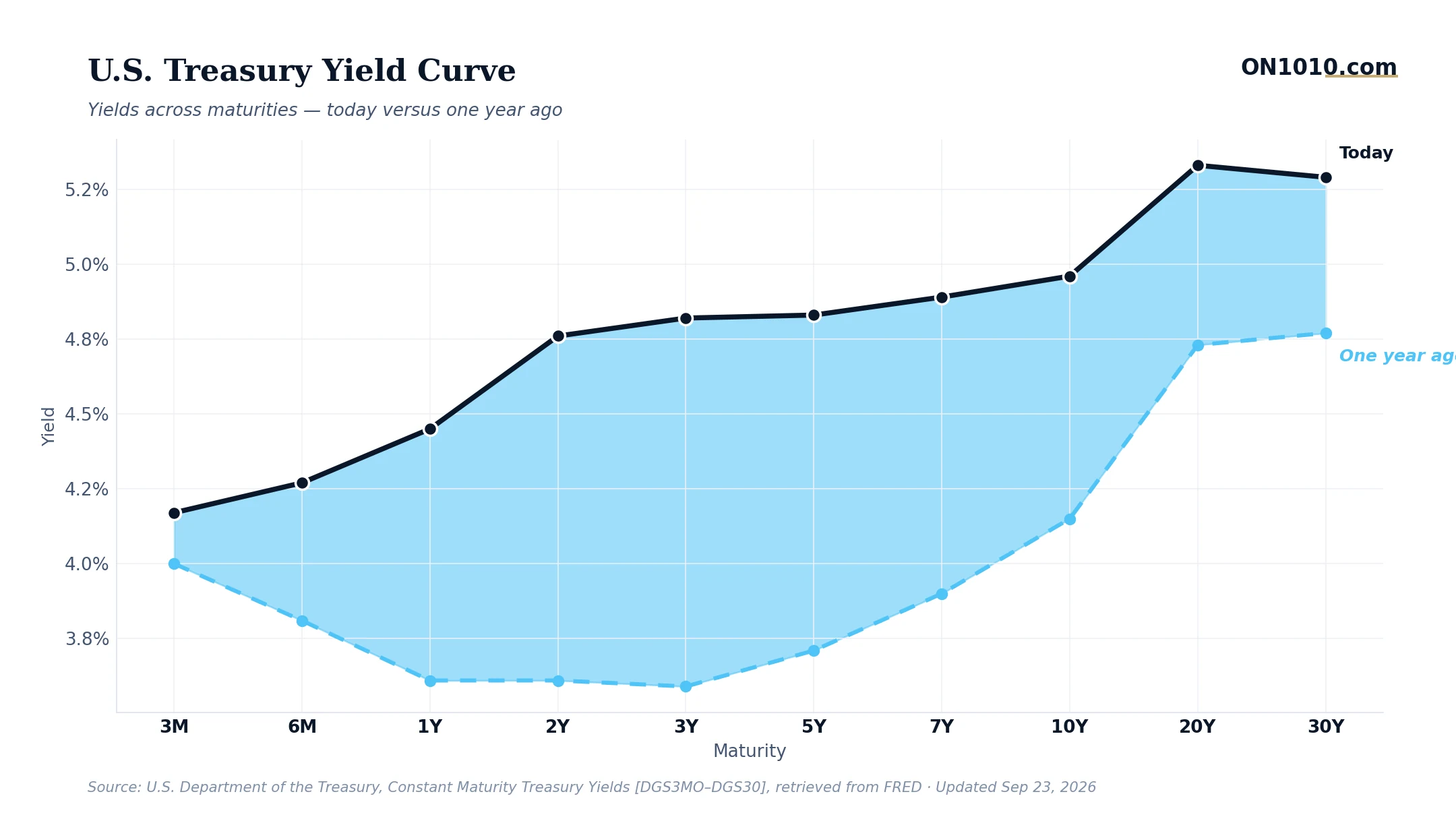
According to CNBC, S&P Global’s overall inflation measure just hit its highest reading since October 2022, and markets are now pricing in another Federal Reserve rate hike as early as October, a shift reinforced by recent comments from Fed Governor Michael Barr.
Here’s the tension worth understanding. The federal funds target rate currently sits at 3.75%-4.0%, and core inflation remains extraordinarily elevated relative to history, running hotter than roughly nine out of every ten months on record. That gap matters enormously. When the policy rate and inflation are running this close together, the Fed has very little real cushion. Inflation this persistent can actually mean the rate environment, adjusted for prices, is less restrictive than the headline numbers suggest. A hike in October would be the Fed’s attempt to widen that gap and put genuine pressure on demand.
What makes this moment tricky is the mixed signal from corporate credit markets. Credit spreads are historically tight, meaning bond investors are pricing almost no risk of widespread corporate distress. That’s an unusual backdrop for a tightening cycle. When borrowing costs rise but credit conditions remain loose, the Fed’s medicine can take longer to work, businesses can still access capital, which keeps spending and hiring elevated, which keeps upward pressure on prices. The cure slows the cycle, but the patient keeps moving.
Growth sits near its historical midpoint and has been steady, which is not a stagflation story yet. But long-term interest rates remain historically elevated, and historically, episodes where rates stayed this high for extended periods saw a recession begin within the following 12 months roughly 19% of the time. That is the base rate, not a forecast.
Historically, investors and business operators have used this type of environment to revisit their cost structures carefully. When financing costs climb while inflation erodes real returns, the question every capital allocator needs to be asking is: what does the true cost of delay look like?
Bottom Line: Inflation running this hot while the Fed holds rates at 3.75%-4.0% leaves almost no margin for error, and a market now betting on an October hike is telling you it doesn’t think the Fed has that margin either.
Read more: CNBC Top News
ON1010 Research is an independent publisher of economic education and is not a registered investment adviser, broker-dealer, or investment company. This content is for educational and informational purposes only and is not investment advice or a recommendation to buy, sell, or hold any security. Published under the publisher exemption recognized by Section 202(a)(11)(D) of the Investment Advisers Act of 1940 (Lowe v. SEC). Always consult a qualified financial professional before making any financial decision.
Free Research
The economy moves fast. We make sure you move faster.
Economic data, policy shifts, and market signals — delivered to your inbox.
Subscribe Free