
When the Government Tries to Cut Fuel Prices, It Usually Raises Them Instead
According to CNBC, the Trump administration is weighing a ban on diesel exports as a tool to push domestic fuel prices lower. Industry experts are warning the relief would be short-lived, because refiners would respond by cutting production, and prices would ultimately end up higher than where they started.
This is a textbook case of a policy that works against its own goal. The mechanism is straightforward: U.S. refineries are optimized to produce diesel partly because they can sell the surplus on global markets. Remove that export revenue, and the economics of running those refineries at full capacity deteriorate. Refiners respond to incentives, not mandates. When global pricing makes a barrel of diesel worth exporting, refinery utilization stays high and domestic supply stays abundant. Block the export, and you squeeze the margin that justifies the throughput. You end up with less diesel chasing the same domestic demand, which is how prices rise, not fall.
This dynamic has a history. Post-2008, researchers found that restricting refined product exports from the U.S. tended to reduce refinery investment over time, because the addressable market for the capital shrank. Smaller market, less investment, less supply. The short-run price relief that export restrictions promise almost always evaporates once the supply response works through. Investors in energy infrastructure and transportation-heavy industries have historically watched for exactly this kind of policy-induced supply constraint, because it can create margin pressure across any business running a diesel-heavy cost structure, from trucking and agriculture to construction and manufacturing.
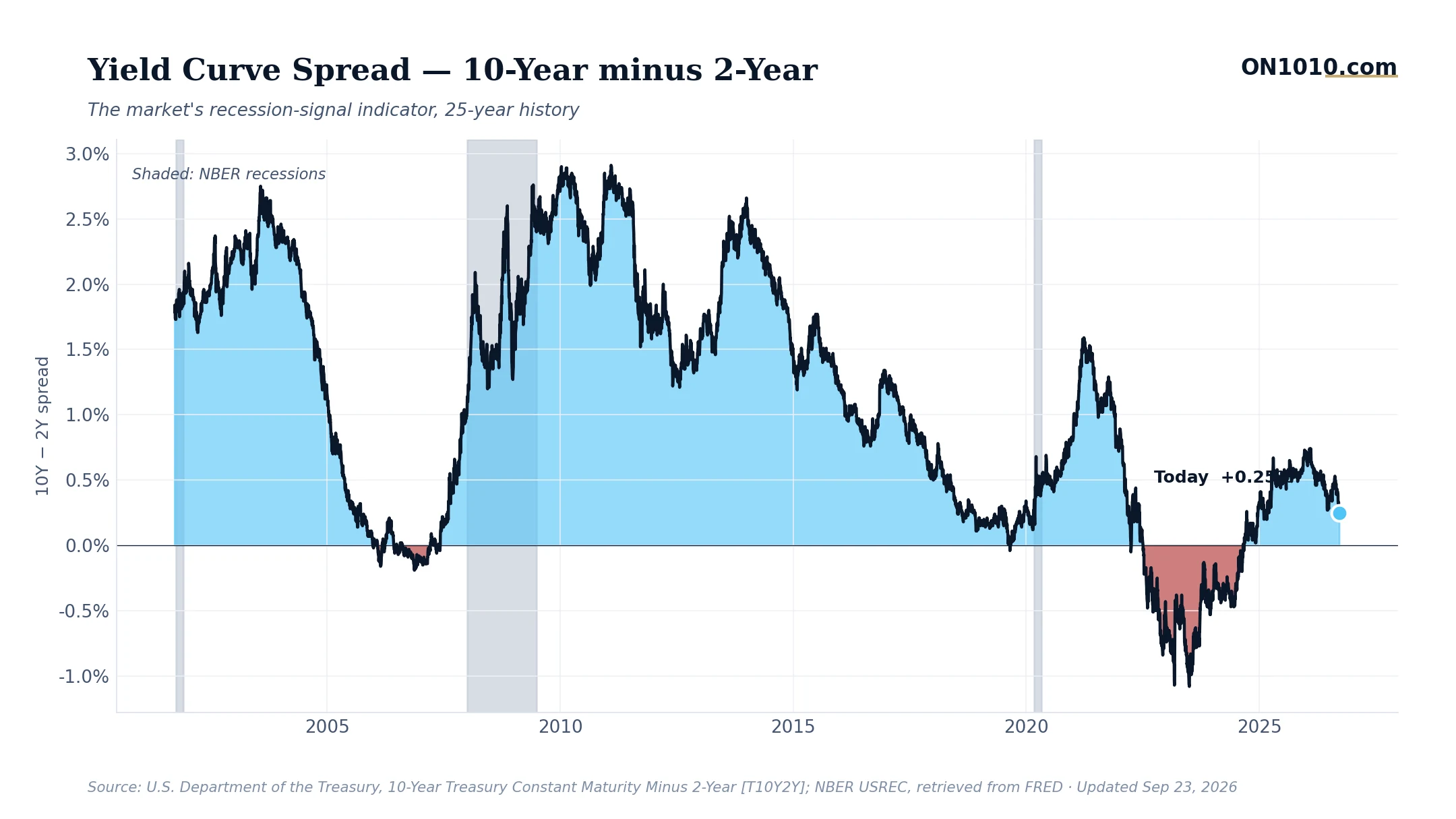
The broader backdrop makes this more pointed. Core inflation is already running well above its historical norm, long-term interest rates remain elevated, and consumer sentiment is near historic lows. A policy that risks pushing diesel higher is friction the economy does not need right now.
Bottom Line: Restricting diesel exports to lower prices is like trying to save water by blocking the drain on a full tub. The pressure has to go somewhere, and it usually goes back into prices.
Read more: CNBC Top News
ON1010 Research is an independent publisher of economic education and is not a registered investment adviser, broker-dealer, or investment company. This content is for educational and informational purposes only and is not investment advice or a recommendation to buy, sell, or hold any security. Published under the publisher exemption recognized by Section 202(a)(11)(D) of the Investment Advisers Act of 1940 (Lowe v. SEC). Always consult a qualified financial professional before making any financial decision.
Free Research
The economy moves fast. We make sure you move faster.
Economic data, policy shifts, and market signals — delivered to your inbox.
Subscribe Free