
Shell Just Made a $23 Billion Bet That the World’s Energy Map Is Being Redrawn
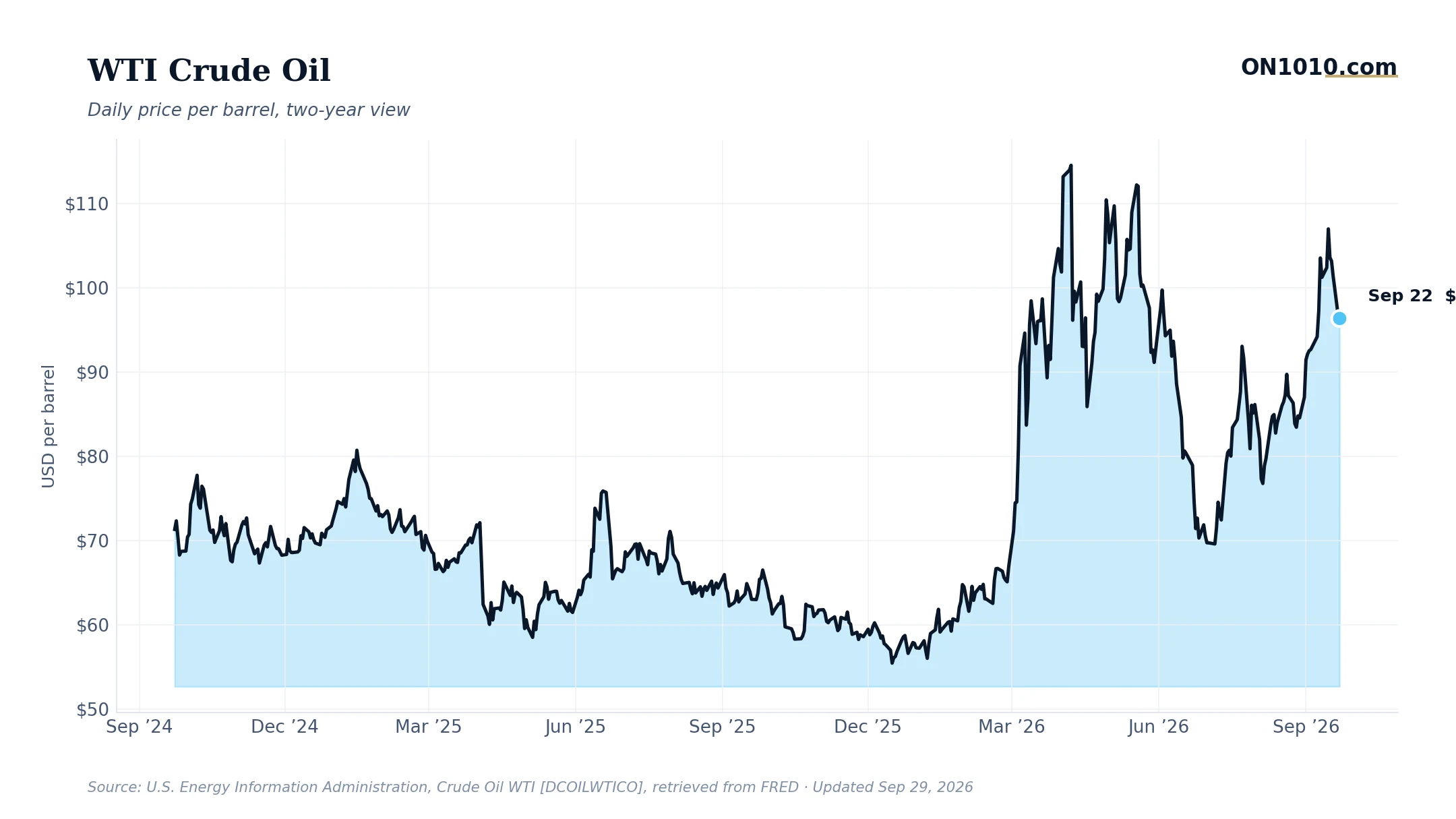
According to CNBC, Shell has approved a $23 billion investment to expand LNG Canada, the country’s first large-scale liquefied natural gas export terminal. The timing is the real story: this decision lands as global supply disruptions are forcing energy importers to rethink who they trust and where their gas comes from.
LNG investments are not like building a factory. These are 20-to-30-year capital commitments, and the companies making them are essentially pricing in a structural, permanent shift in global energy trade rather than a cyclical uptick in demand. When a company the size of Shell locks in that kind of capital, the signal is worth taking seriously. Canada has long had the resource base to be a major LNG exporter, but the regulatory environment and domestic politics kept capital on the sidelines. The fact that money is moving now suggests the incentive structure has changed, whether through shifts in policy, energy security premiums from buyers in Asia and Europe, or both.
The economics here matter. LNG Canada’s expansion will take years to build and longer to generate returns. Profitability depends on the spread between Canadian natural gas production costs and what buyers in Japan, South Korea, or Germany are willing to pay for supply security. If that security premium holds, margins are attractive. If global LNG supply expands faster than demand, they compress. Long-term rates are already high by historical standards, which raises the cost of financing projects with decade-long payback windows.
Historically, investors and capital allocators have paid close attention to when large infrastructure decisions get made, because project approval is the moment supply chains and employment commitments get locked in. The questions this raises are practical ones: how does this shift the relative position of competing LNG suppliers, and what does it mean for the global gas price structure over the next decade? Anyone with exposure to energy, utilities, or Canadian assets has reason to think through the supply implications carefully, ideally with a professional who knows their specific situation.
Bottom Line: Shell’s approval is a signal about the world, not just Canada: when $23 billion moves toward a 30-year bet on energy security, it means the buyers on the other end have told suppliers they will pay a premium to diversify away from fragile supply chains.
Read more: CNBC Top News
ON1010 Research is an independent publisher of economic education and is not a registered investment adviser, broker-dealer, or investment company. This content is for educational and informational purposes only and is not investment advice or a recommendation to buy, sell, or hold any security. Published under the publisher exemption recognized by Section 202(a)(11)(D) of the Investment Advisers Act of 1940 (Lowe v. SEC). Always consult a qualified financial professional before making any financial decision.
Free Research
The economy moves fast. We make sure you move faster.
Economic data, policy shifts, and market signals — delivered to your inbox.
Subscribe Free