
When the Policymaker Holds the Paper
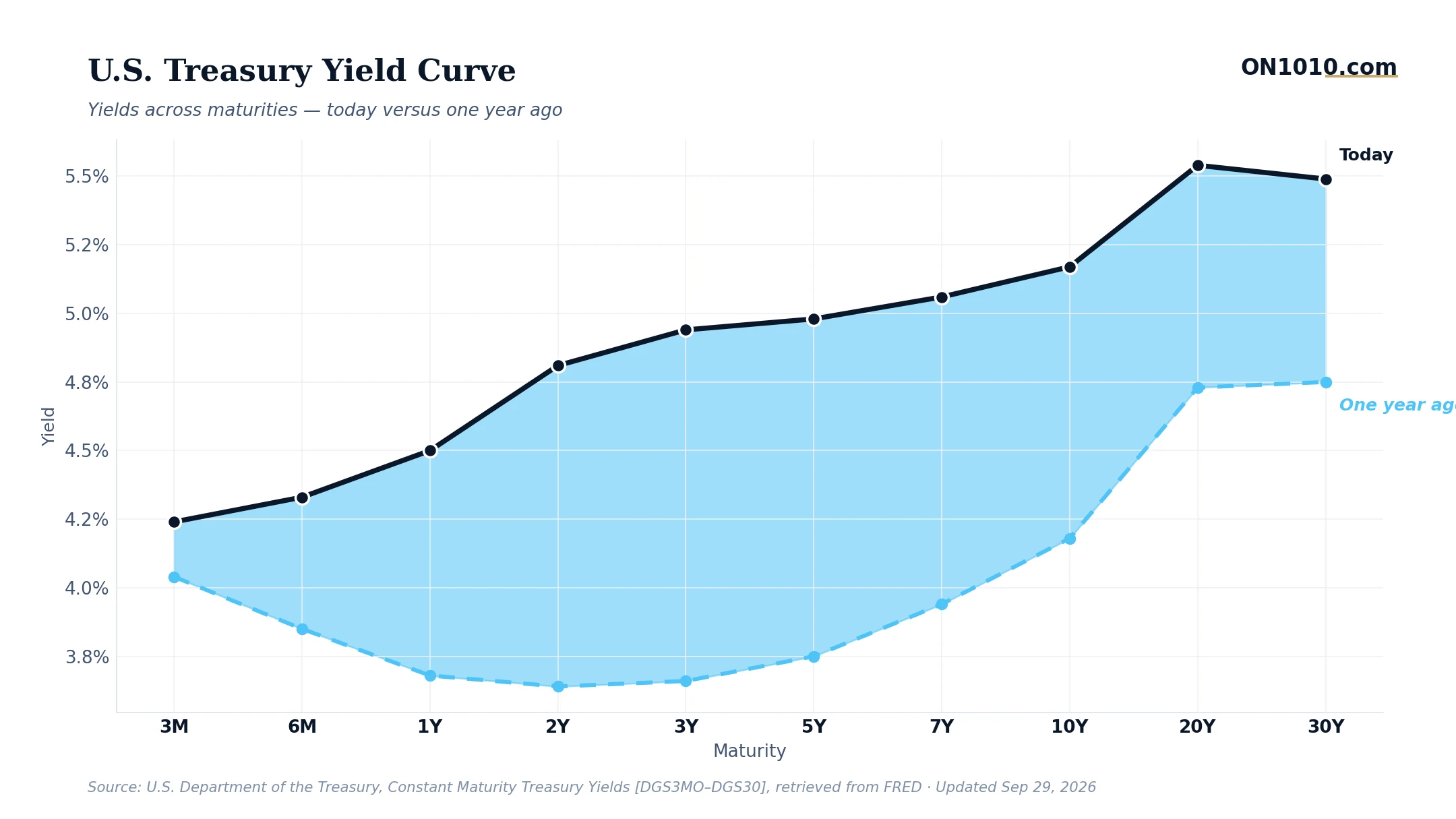
According to CNBC, President Trump has disclosed a municipal bond portfolio worth somewhere between $300 million and $1 billion, including debt tied to issuers that are directly affected by federal policy his administration controls. The range alone is striking. But the overlap between the portfolio and the policy table is the part worth examining.
Municipal bonds are not a flashy asset class. They are quiet, tax-advantaged instruments that cities, counties, transit authorities, and school districts use to borrow money for long-lived projects. Investors have historically priced them on two things: the creditworthiness of the issuer and the value of the federal tax exemption baked into the interest payments. Both of those variables are, to varying degrees, subject to federal policy decisions. Federal infrastructure spending props up issuer revenues. Federal tax policy determines how valuable the exemption is to high-income holders. When the person making those decisions also holds the paper, the incentive structure gets complicated in ways that standard conflict-of-interest analysis rarely captures cleanly.
The deeper policy question here involves the tax exemption itself. In a high-rate environment where municipal bonds are already near the upper end of their historical interest-rate range, the tax exemption is doing serious work for wealthy holders. Any future tax reform that touches that exemption, one way or another, directly reprices the portfolio. Historically, investors and operators have tracked the policy risk around the muni exemption as a proxy for broader federal fiscal priorities, since any reform touching it ripples through state and local government borrowing costs economy-wide.
With consumer sentiment near historical lows and interest rates sitting well above their long-run norm, municipalities are already navigating tighter conditions. The question this disclosure raises is straightforward: what does it mean for the credibility of federal policy signals when the decision-maker’s balance sheet is exposed to the outcome?
Bottom Line: Policy sets incentives, and incentives drive behavior. When the policymaker’s own portfolio is downstream of the policies being set, the incentive structure deserves scrutiny from everyone who holds or issues municipal debt.
Read more: CNBC Top News
ON1010 Research is an independent publisher of economic education and is not a registered investment adviser, broker-dealer, or investment company. This content is for educational and informational purposes only and is not investment advice or a recommendation to buy, sell, or hold any security. Published under the publisher exemption recognized by Section 202(a)(11)(D) of the Investment Advisers Act of 1940 (Lowe v. SEC). Always consult a qualified financial professional before making any financial decision.
Free Research
The economy moves fast. We make sure you move faster.
Economic data, policy shifts, and market signals — delivered to your inbox.
Subscribe Free