
The Fed Just Made Bank Stress Tests Less Predictable. The Banks Are Calling It a Win.
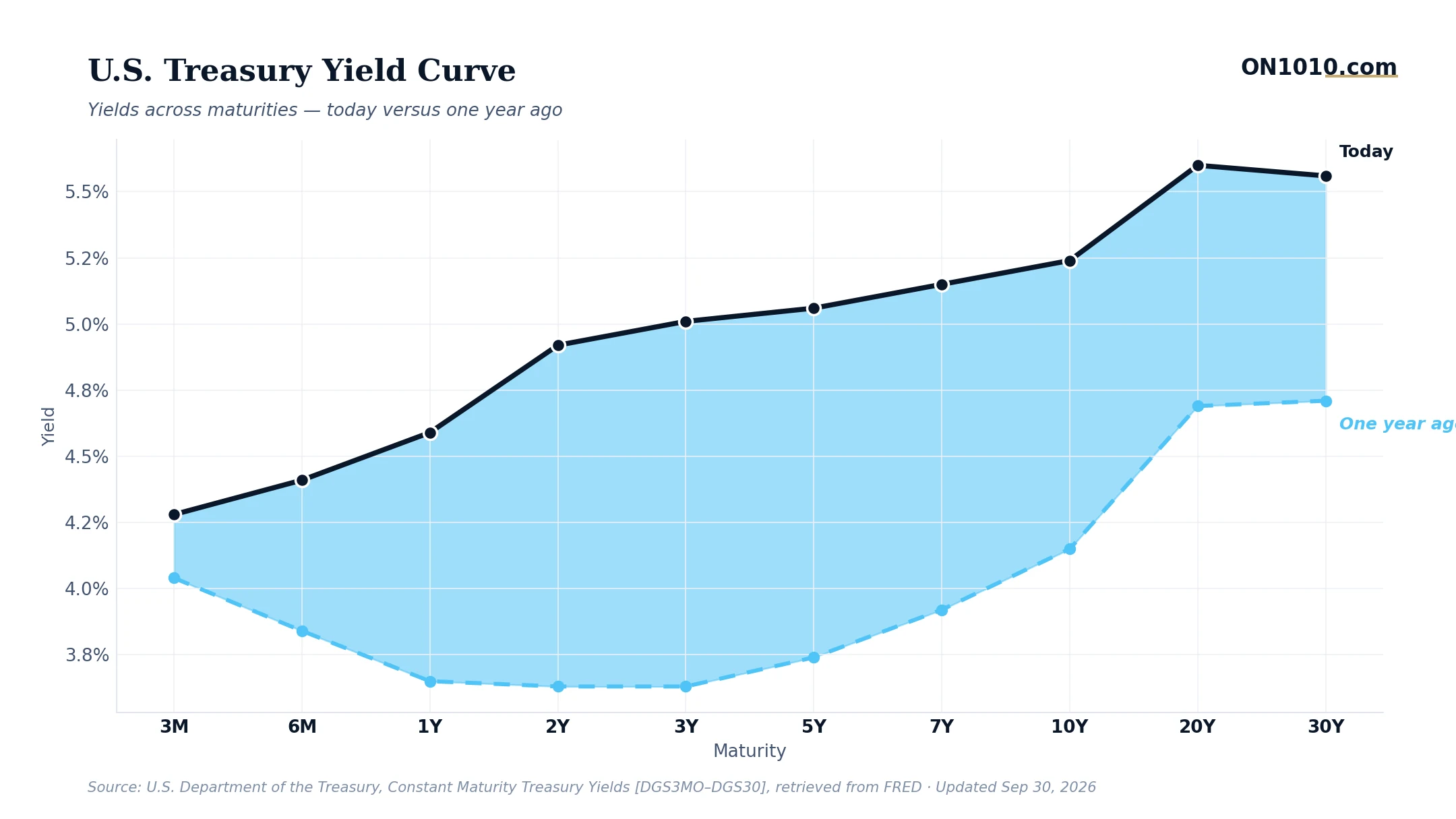
According to the Federal Reserve, the central bank has finalized a set of changes to its annual bank stress testing framework, designed to improve transparency and reduce the year-to-year swings in the capital buffers that large banks are required to hold. The interesting part is what this signals about the balance between financial system safety and the cost of keeping capital locked up inside bank balance sheets.
Stress tests, introduced after the 2008 financial crisis, force the largest US banks to demonstrate they can survive a severe economic downturn without collapsing. The annual results directly determine how much capital each bank must hold as a cushion, which in turn determines how much they can return to shareholders or deploy as loans and investments. When those capital requirements jump sharply from one year to the next based on model changes rather than actual changes in the economy, banks face a planning problem. The Fed’s stated goal here is to smooth that volatility, not to weaken the underlying safeguards.
The incentive logic matters. Reducing unpredictable swings in required capital buffers makes it easier for banks to plan long-term lending and investment commitments. If a bank cannot confidently forecast its regulatory capital requirements twelve months out, it tends to hold more cushion than technically required, just to be safe. That excess caution reduces the capital actually flowing into the economy. More transparent, stable stress test rules could, in theory, free up lending capacity at the margin without reducing the system’s true resilience.
Historically, investors tracking financial sector health have paid close attention to stress test outcomes as a signal for dividend capacity, share buyback potential, and loan growth. The financials sector has lagged the broader market significantly this year, which makes the policy backdrop worth watching. Whether smoother capital requirements translate into better margins and more aggressive capital deployment is the open question.
Bottom Line: Predictable rules encourage long-term planning. Unpredictable ones encourage hoarding. The Fed just moved the dial toward predictability, and in a high-rate environment where bank margins are already under pressure, that shift in incentives is worth understanding.
Read more: Federal Reserve Press Releases
ON1010 Research is an independent publisher of economic education and is not a registered investment adviser, broker-dealer, or investment company. This content is for educational and informational purposes only and is not investment advice or a recommendation to buy, sell, or hold any security. Published under the publisher exemption recognized by Section 202(a)(11)(D) of the Investment Advisers Act of 1940 (Lowe v. SEC). Always consult a qualified financial professional before making any financial decision.
Free Research
The economy moves fast. We make sure you move faster.
Economic data, policy shifts, and market signals — delivered to your inbox.
Subscribe Free