
The Strait of Hormuz Is Open. The Question Is Who’s Paying to Keep It That Way.
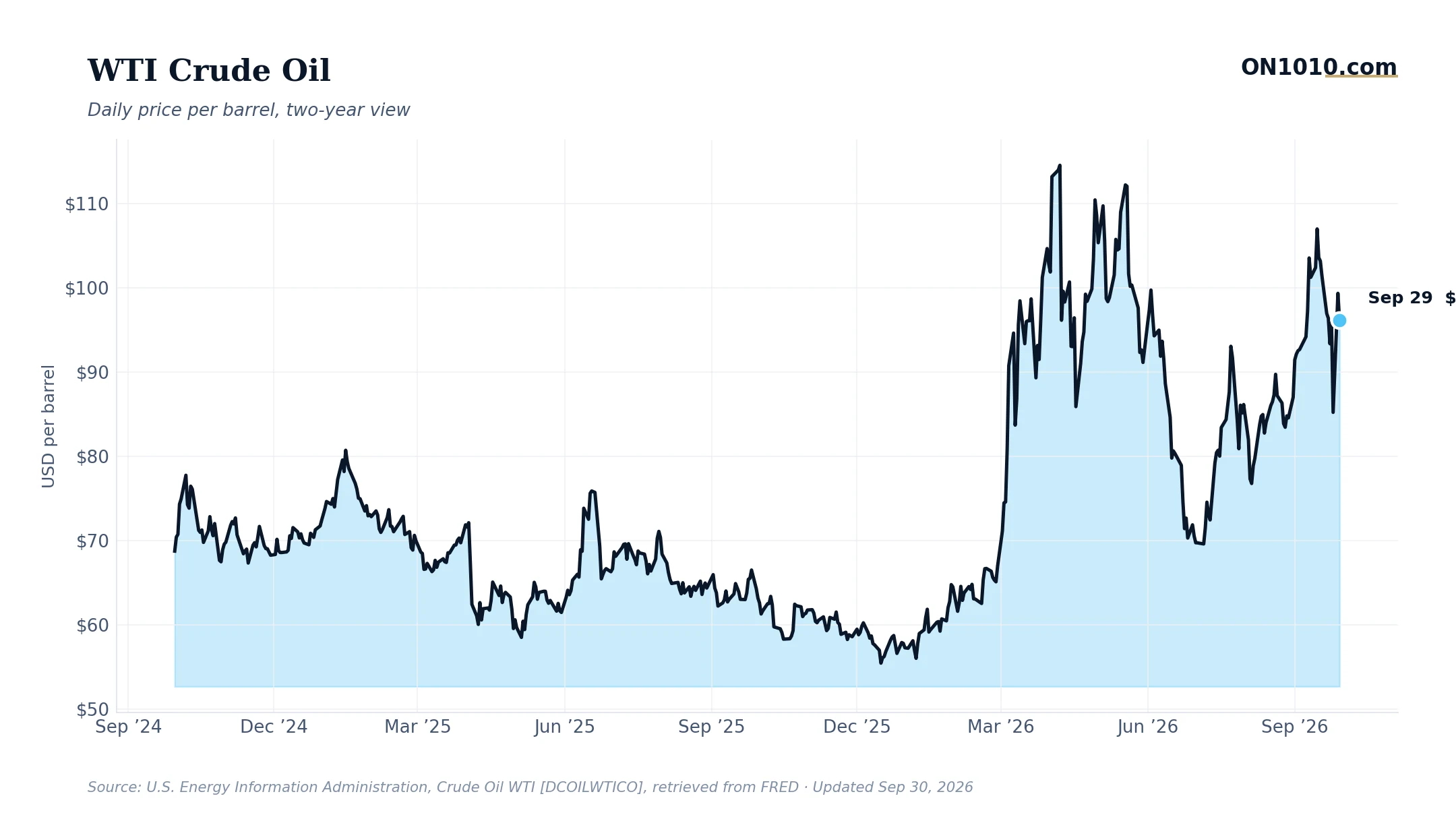
According to CNBC, crude oil exports through the Strait of Hormuz have recovered to prewar levels, but refined fuel shipments remain significantly constrained. The recovery depends almost entirely on the U.S. military actively protecting tankers in the Persian Gulf, and nobody knows how long that arrangement holds.
There’s a structural fragility buried in that good news. The physical chokepoint may be functioning again, but the insurance behind it is American military commitment, not any durable geopolitical settlement. When the security guarantee is the product, the product can disappear quickly. Markets are treating the recovery as a return to normal, but the underlying supply architecture is far more conditional than it looks.
Fuel shipments lagging crude flows is an under-discussed detail. Crude can be rerouted, refined elsewhere, and blended into global inventories. Refined products are stickier. Regional buyers of jet fuel, diesel, and heating oil depend on specific refining infrastructure in the Gulf, and if those shipments stay constrained, the price effects show up downstream, in transportation costs, industrial margins, and consumer fuel bills, not just at the wellhead. That kind of transmission is slower and quieter than an oil price spike, which is exactly why it tends to catch businesses off guard.
The macro backdrop makes the stakes sharper. Core inflation is sitting near the top of its historical range, and long-term interest rates are already elevated. Supply-side pressure on energy and fuel doesn’t need to be dramatic to be disruptive in this environment. Even modest persistence in fuel costs can put upward pressure on prices that are already stubborn, complicating the path for monetary policy. Historically, investors have used Hormuz disruption episodes as prompts to examine energy exposure across supply chains and corporate cost structures, particularly in transport-intensive industries where fuel is a large share of operating costs.
Bottom Line: The strait is open, but the reason it’s open is a U.S. naval escort. When security is the infrastructure, the risk premium never fully goes away.
Read more: CNBC Top News
ON1010 Research is an independent publisher of economic education and is not a registered investment adviser, broker-dealer, or investment company. This content is for educational and informational purposes only and is not investment advice or a recommendation to buy, sell, or hold any security. Published under the publisher exemption recognized by Section 202(a)(11)(D) of the Investment Advisers Act of 1940 (Lowe v. SEC). Always consult a qualified financial professional before making any financial decision.
Free Research
The economy moves fast. We make sure you move faster.
Economic data, policy shifts, and market signals — delivered to your inbox.
Subscribe Free