
When “Able to Pay” Becomes the Question Nobody Wants to Answer
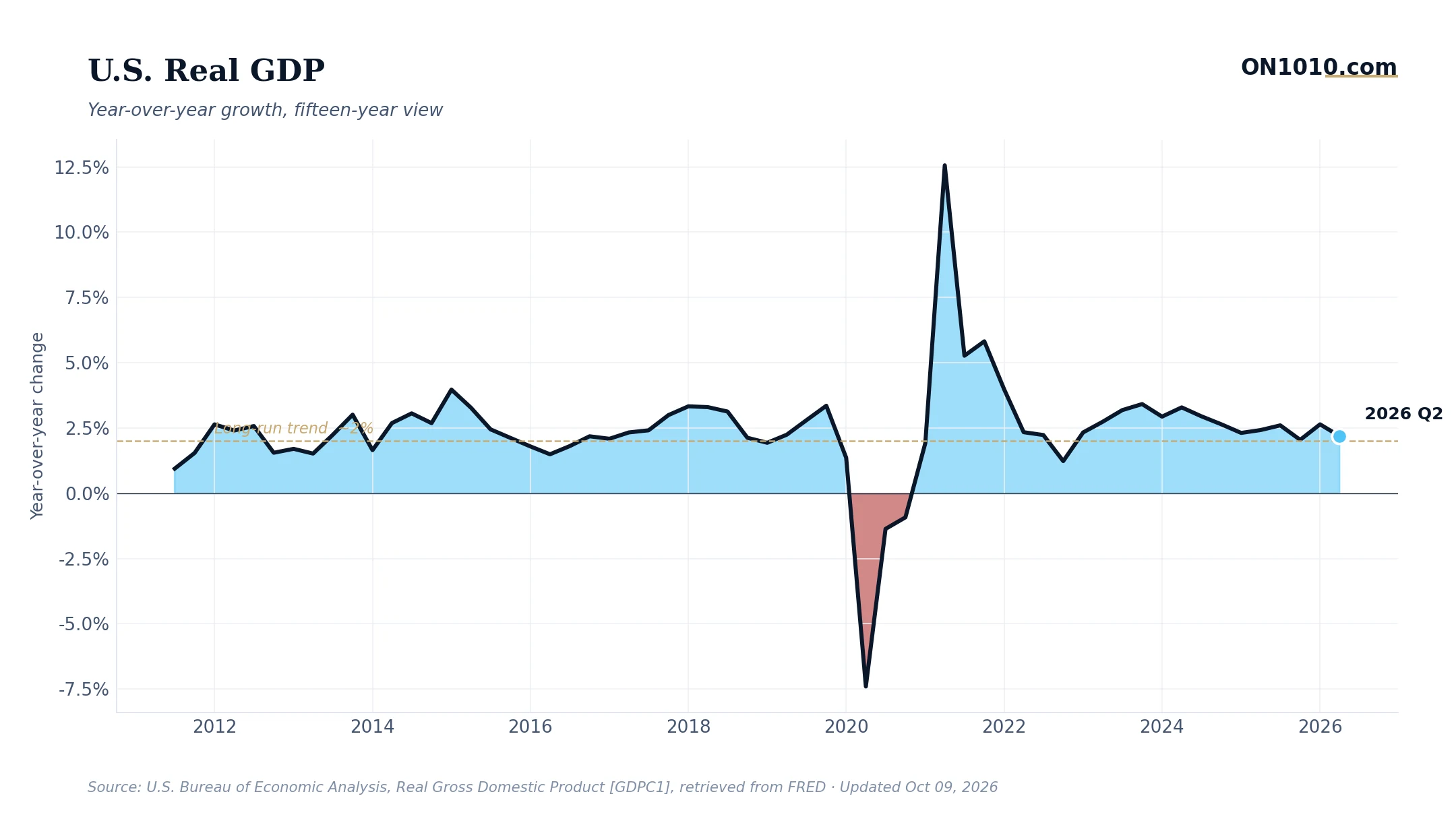
According to CNBC, researchers have found that Americans’ ability to meet debt payments has deteriorated to levels not seen since the Great Recession, even as wealth disparities narrowed somewhat. Those two facts sitting side by side deserve a hard look.
Here is the tension worth naming: a household can look wealthier on paper (rising home values, 401(k) balances) while simultaneously struggling to make monthly payments. Wealth and cash flow are different problems. You cannot pay your credit card bill with your home equity unless you borrow against it, and borrowing against it only adds to the payment burden. This is the balance sheet trap, and it closes slowly, then suddenly.
The backdrop makes this harder to dismiss as noise. Monetary policy is sitting in restrictive territory by historical standards, and long-term interest rates are near the upper range of their multi-decade history. Those two forces combine to keep refinancing costs elevated and squeeze household budgets that took on debt during the low-rate era. Meanwhile, core inflation is still running hot relative to history, which means real purchasing power continues to erode for households living paycheck to paycheck. The income side of the ledger simply has not kept up with the cost side.
The distribution point matters here too. Aggregate consumer data can look stable while stress concentrates sharply at the lower end of the income spectrum. Lower-income households spend a higher share of their income, so when their debt service deteriorates, consumer spending takes a direct hit. Corporate margins in consumer-facing sectors tend to feel that pressure before it shows up in headline spending data.
Historically, investors have treated rising delinquency rates as a lagging indicator of stress that had already built for months. The more useful leading read is payment capacity, which is exactly what these researchers flagged as the deteriorating metric.
Bottom Line: Wealth on paper and ability to service debt are two separate things, and right now they are moving in opposite directions for a meaningful slice of American households.
Read more: CNBC Economy
ON1010 Research is an independent publisher of economic education and is not a registered investment adviser, broker-dealer, or investment company. This content is for educational and informational purposes only and is not investment advice or a recommendation to buy, sell, or hold any security. Published under the publisher exemption recognized by Section 202(a)(11)(D) of the Investment Advisers Act of 1940 (Lowe v. SEC). Always consult a qualified financial professional before making any financial decision.
Free Research
The economy moves fast. We make sure you move faster.
Economic data, policy shifts, and market signals — delivered to your inbox.
Subscribe Free