
Europe Pumped the Brakes on Chinese Hybrids. Here’s the Trade-Off Nobody’s Talking About.
According to CNBC, China and Europe have struck a deal to cut Chinese hybrid vehicle exports to Europe by roughly half, following two days of talks in Beijing between European trade chief Maroš Sefčovič and China’s Commerce Minister Wang Wentao. The “positive first step” framing is diplomatic, but the economic consequences are more complicated than the handshake suggests.
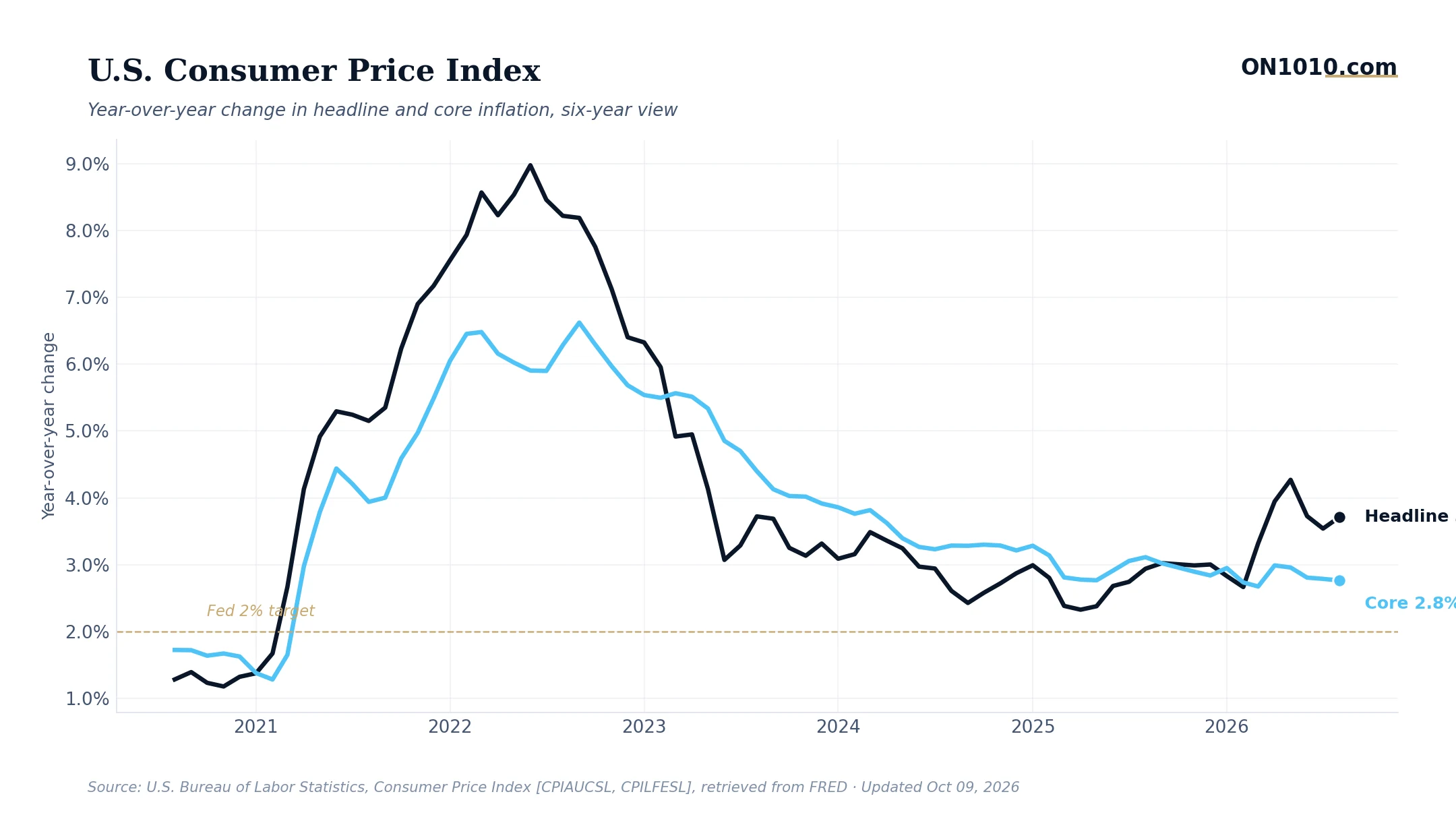
What this actually does is restrict the supply of lower-cost vehicles into a market where consumers are already under pressure. European car buyers are pinched by inflation running well above historical norms and by long-term interest rates near the top of their historical range, making auto financing more expensive than it has been in years. Cutting cheaper Chinese hybrids in half doesn’t make European automakers more competitive in any fundamental sense. It removes a price competitor, which protects domestic margins in the short run. But protected margins built on restricted competition tend to erode productivity over time, because the pressure to innovate disappears with the competition.
There’s a second layer here for investors watching industrial sector dynamics. European automakers have been struggling to close the cost gap with Chinese manufacturers, particularly in electrified powertrains. A deal that limits Chinese imports buys time, but “bought time” only pays off if it’s used to invest in catching up. History suggests that when industries use trade protection to defend margins rather than fund transformation, the gap usually widens rather than closes.
Historically, investors have watched these kinds of managed-trade agreements closely for what they signal about where capital flows next. When one market restricts imports, manufacturers in the protected market often see short-term margin relief, while suppliers and component makers in the exporting country face real volume pressure. The questions this raises: Does the margin cushion trigger meaningful R&D investment, or does it fund buybacks? And which Chinese EV manufacturers are diversified enough across other markets to absorb a 50% European volume cut?
Bottom Line: Trade protection can buy time for an industry, but time only has value if it funds genuine productivity gains. The deal protects European automaker margins today; whether that protection translates into competitive strength tomorrow depends entirely on where the capital goes next.
Read more: CNBC Top News
ON1010 Research is an independent publisher of economic education and is not a registered investment adviser, broker-dealer, or investment company. This content is for educational and informational purposes only and is not investment advice or a recommendation to buy, sell, or hold any security. Published under the publisher exemption recognized by Section 202(a)(11)(D) of the Investment Advisers Act of 1940 (Lowe v. SEC). Always consult a qualified financial professional before making any financial decision.
Free Research
The economy moves fast. We make sure you move faster.
Economic data, policy shifts, and market signals — delivered to your inbox.
Subscribe Free