
When Weather Becomes Monetary Policy
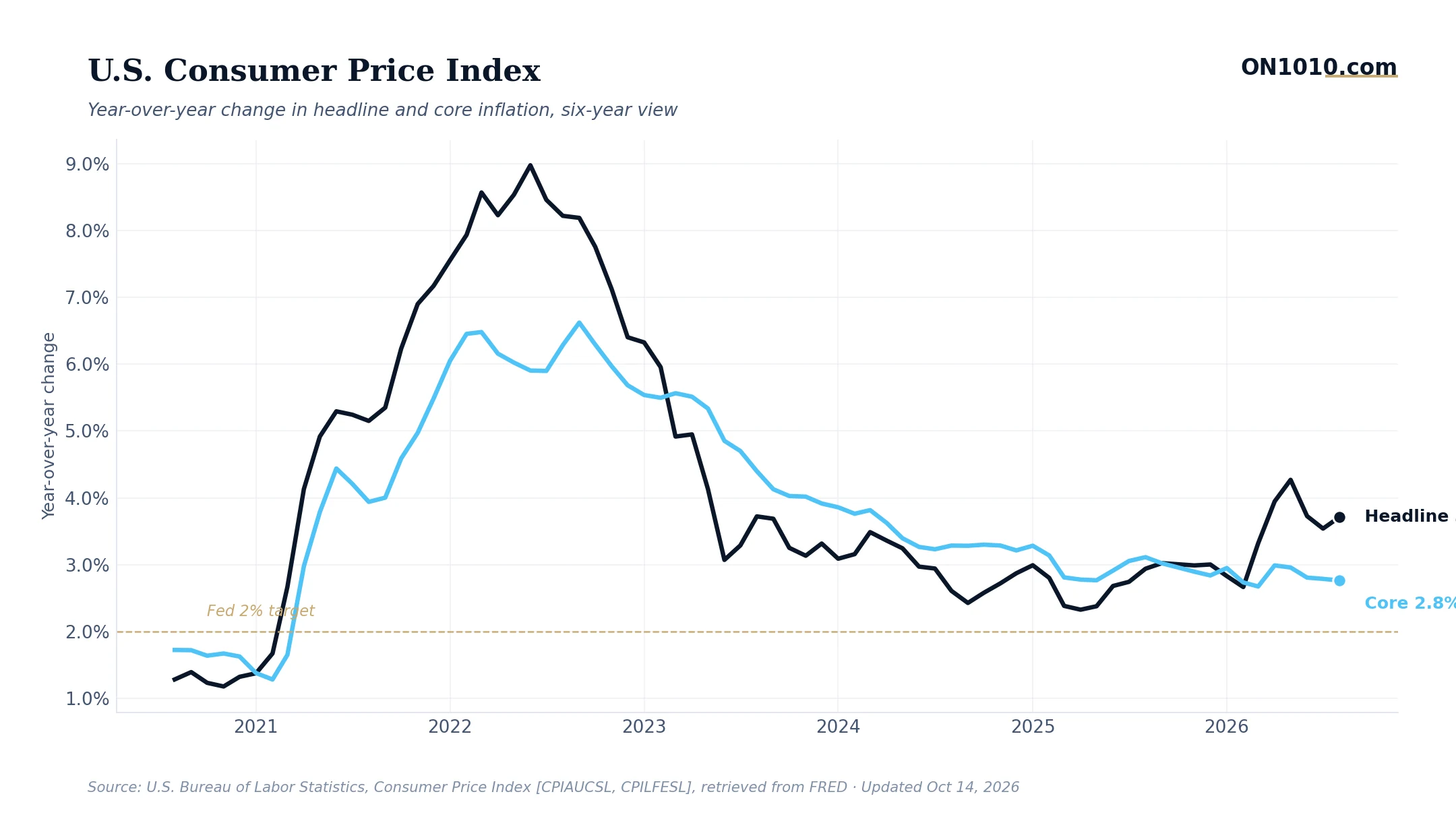
According to CNBC, the Philippine central bank is now running stress-test scenarios around a severe El Niño event layered on top of an existing oil shock, with inflation already at a three-year high. The headline is dramatic. The real story is what it reveals about how fragile inflation control becomes when supply shocks stack.
Central banks are built to fight demand-driven inflation. Raise rates, cool borrowing, reduce spending, prices stabilize. That playbook breaks down when inflation is being driven by drought and oil, because higher interest rates cannot make it rain. When the Bangko Sentral ng Pilipinas tightens policy to defend its inflation target, it is squeezing domestic borrowers and business margins to offset a weather event on the other side of the atmosphere. That is a brutal tradeoff with no clean answer.
The broader issue worth watching is contagion across Southeast Asia. El Niño affects agricultural output across the region simultaneously, which means the Philippines is unlikely to be the only central bank facing this bind. When multiple emerging-market central banks are forced to hold rates higher for longer than their own growth outlooks justify, capital allocation decisions shift fast. Foreign capital tends to flow toward stability, and businesses facing both elevated input costs and tighter credit have less room to absorb shocks without cutting investment or headcount.
Historically, investors have treated dual supply shocks in emerging markets as asymmetric risks: the upside from staying invested is capped by the policy uncertainty, while the downside from a policy mistake or a deeper weather event is open-ended. The question this raises is whether the oil shock alone was already pressuring margins enough to slow growth, and whether El Niño turns a manageable headwind into something structural for food-importing economies.
Bottom Line: A central bank running weather scenarios alongside oil shock models is a sign that the easy part of this inflation cycle is over. Supply-side inflation requires supply-side solutions, and those take seasons, not quarters.
Read more: CNBC Economy
ON1010 Research is an independent publisher of economic education and is not a registered investment adviser, broker-dealer, or investment company. This content is for educational and informational purposes only and is not investment advice or a recommendation to buy, sell, or hold any security. Published under the publisher exemption recognized by Section 202(a)(11)(D) of the Investment Advisers Act of 1940 (Lowe v. SEC). Always consult a qualified financial professional before making any financial decision.
Free Research
The economy moves fast. We make sure you move faster.
Economic data, policy shifts, and market signals — delivered to your inbox.
Subscribe Free