
Economic Wire: ‘Godzilla El Niño’ is wreaking havoc with Philippine central
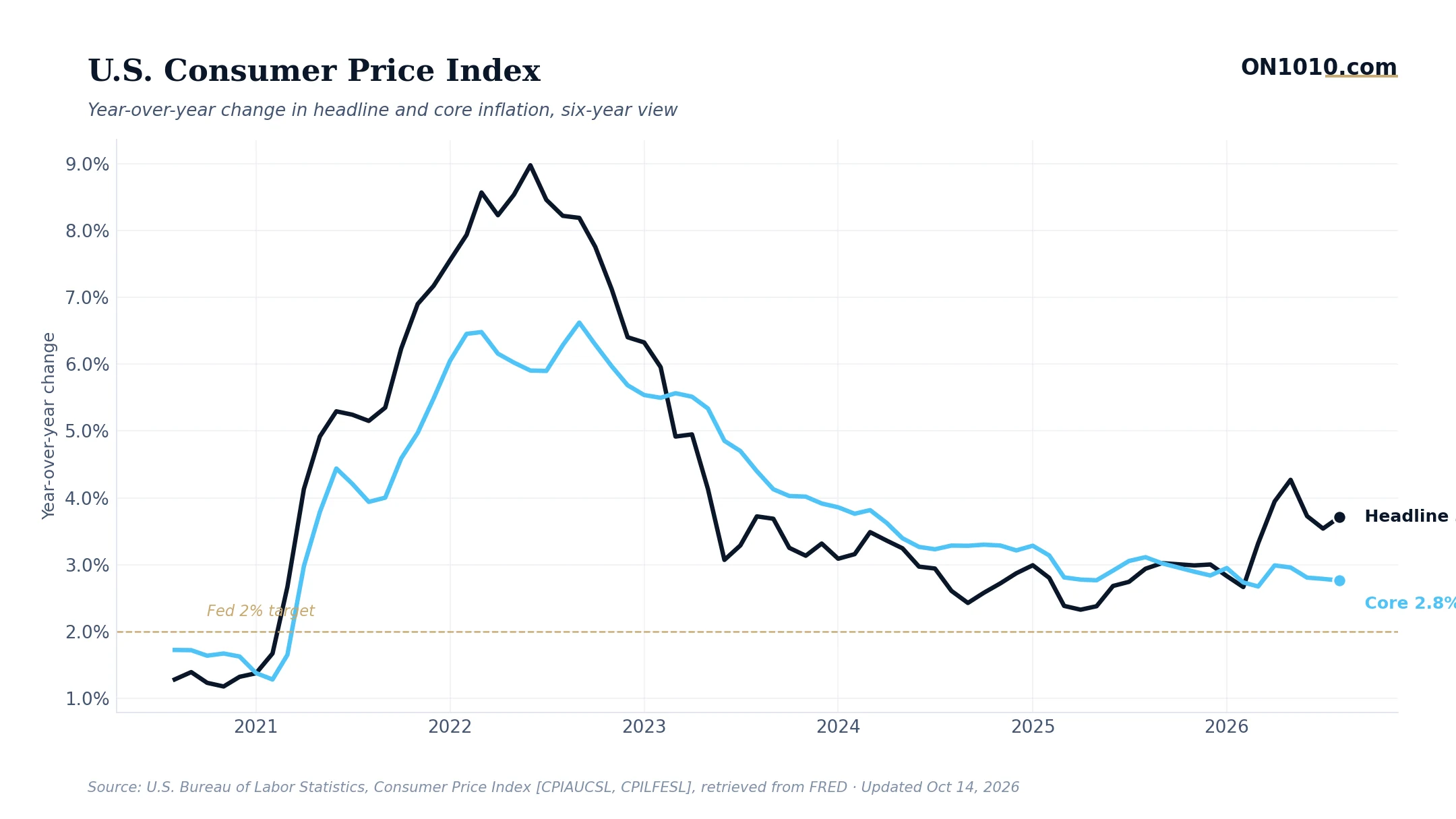
When the Weather Becomes a Central Bank Problem
According to CNBC, the Philippine central bank is now stress-testing its policy framework against what forecasters are calling a “Godzilla El Niño,” a severe climate event hitting on top of an existing oil shock, with inflation already at a three-year high. The tension here is real: monetary policy is designed to fight demand-driven inflation, and it is a blunt tool against drought.
That distinction matters more than the headline suggests. When crop failures shrink the supply of rice and other staples, prices rise because there is less food, not because consumers have more money to spend. A central bank that raises rates in response slows demand and crushes borrowing costs, but it cannot make it rain. The risk is that aggressive tightening produces the worst of both outcomes: higher unemployment alongside higher food prices. Philippine policymakers are essentially being asked to navigate a car with two brake pedals and no steering wheel.
Layer in the oil shock and the problem compounds. Energy and food together are the two biggest line items in household budgets for lower-income populations, who spend nearly everything they earn. When both spike simultaneously, real purchasing power collapses fast. The Philippine peso’s sensitivity to commodity import prices amplifies the pressure further, since a weaker currency makes oil and food more expensive in local terms, feeding the inflation it is partly trying to escape.
Historically, investors tracking emerging market central banks have watched how long supply-driven inflation lingers before it bleeds into wage demands and broader price-setting behavior. That second-round transmission is what converts a weather event into a structural inflation problem, and it is the signal worth monitoring. The broader backdrop matters too: with monetary policy already restrictive by historical standards globally, there is limited room to absorb simultaneous supply shocks without real economic cost.
Bottom Line: Climate shocks are monetary policy shocks in disguise, and the Philippines is running a live experiment in how a central bank responds when the inflation it cannot control collides with the tools it has.
Read more: CNBC Economy
ON1010 Research is an independent publisher of economic education and is not a registered investment adviser, broker-dealer, or investment company. This content is for educational and informational purposes only and is not investment advice or a recommendation to buy, sell, or hold any security. Published under the publisher exemption recognized by Section 202(a)(11)(D) of the Investment Advisers Act of 1940 (Lowe v. SEC). Always consult a qualified financial professional before making any financial decision.
Free Research
The economy moves fast. We make sure you move faster.
Economic data, policy shifts, and market signals — delivered to your inbox.
Subscribe Free