
The IMF Just Called Out the Math on America’s Bet That Growth Will Fix the Deficit
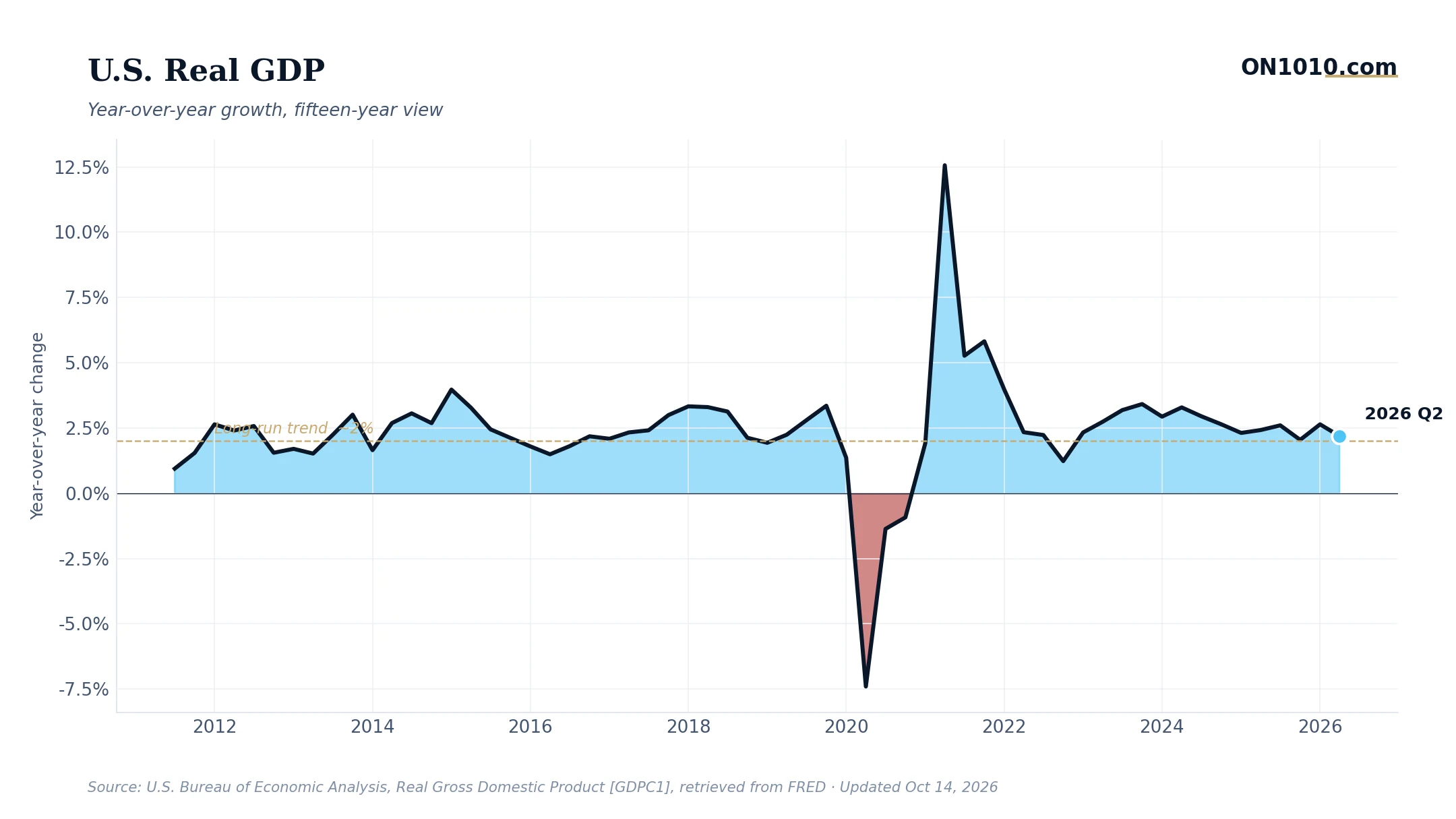
According to CNBC, IMF Managing Director Kristalina Georgieva said publicly that Treasury Secretary Scott Bessent’s growth-first strategy won’t bring the U.S. deficit and $40 trillion debt pile under control fast enough, calling instead for active fiscal consolidation. The tension here runs deeper than a policy disagreement between Washington and Geneva.
Bessent’s argument follows a familiar logic: if the economy grows fast enough, tax revenues rise, the deficit shrinks as a share of GDP, and the debt becomes more manageable without painful spending cuts. It has worked before. The U.S. ran down its post-World War II debt largely by growing through it. The problem is that the arithmetic is much harder this time. Interest payments alone are now consuming a historically large share of federal revenue, which means every dollar of new growth has to work harder just to keep pace with compounding debt service costs. Growth helps. Whether it helps fast enough is a different question.
The backdrop makes the IMF’s warning harder to dismiss. Long-term interest rates are running near the top of their historical range. Real monetary policy is restrictive. Consumer sentiment is sitting near historical lows. Core inflation is still running hot relative to history. These aren’t conditions that typically produce the kind of sustained, above-trend growth that would validate the optimistic deficit math. The economy would need to deliver something exceptional, and consistently, to close the gap through expansion alone.
Historically, when sovereign debt dynamics have reached this point, bond markets have done the heavy lifting that political systems couldn’t. Yields rise until either growth accelerates or fiscal policy tightens, sometimes both. Investors who have watched bond markets through prior debt cycles tend to watch the spread between nominal growth and the cost of financing that debt closely. Right now, with rates where they are, that spread offers very little cushion.
Bottom Line: When the IMF says growth alone won’t fix the deficit, the real question is what bond markets will demand before Washington finds out who’s right.
Read more: CNBC Top News
ON1010 Research is an independent publisher of economic education and is not a registered investment adviser, broker-dealer, or investment company. This content is for educational and informational purposes only and is not investment advice or a recommendation to buy, sell, or hold any security. Published under the publisher exemption recognized by Section 202(a)(11)(D) of the Investment Advisers Act of 1940 (Lowe v. SEC). Always consult a qualified financial professional before making any financial decision.
Free Research
The economy moves fast. We make sure you move faster.
Economic data, policy shifts, and market signals — delivered to your inbox.
Subscribe Free