
When War Rewrites the Supply Chain, Follow the Long-Term Contracts
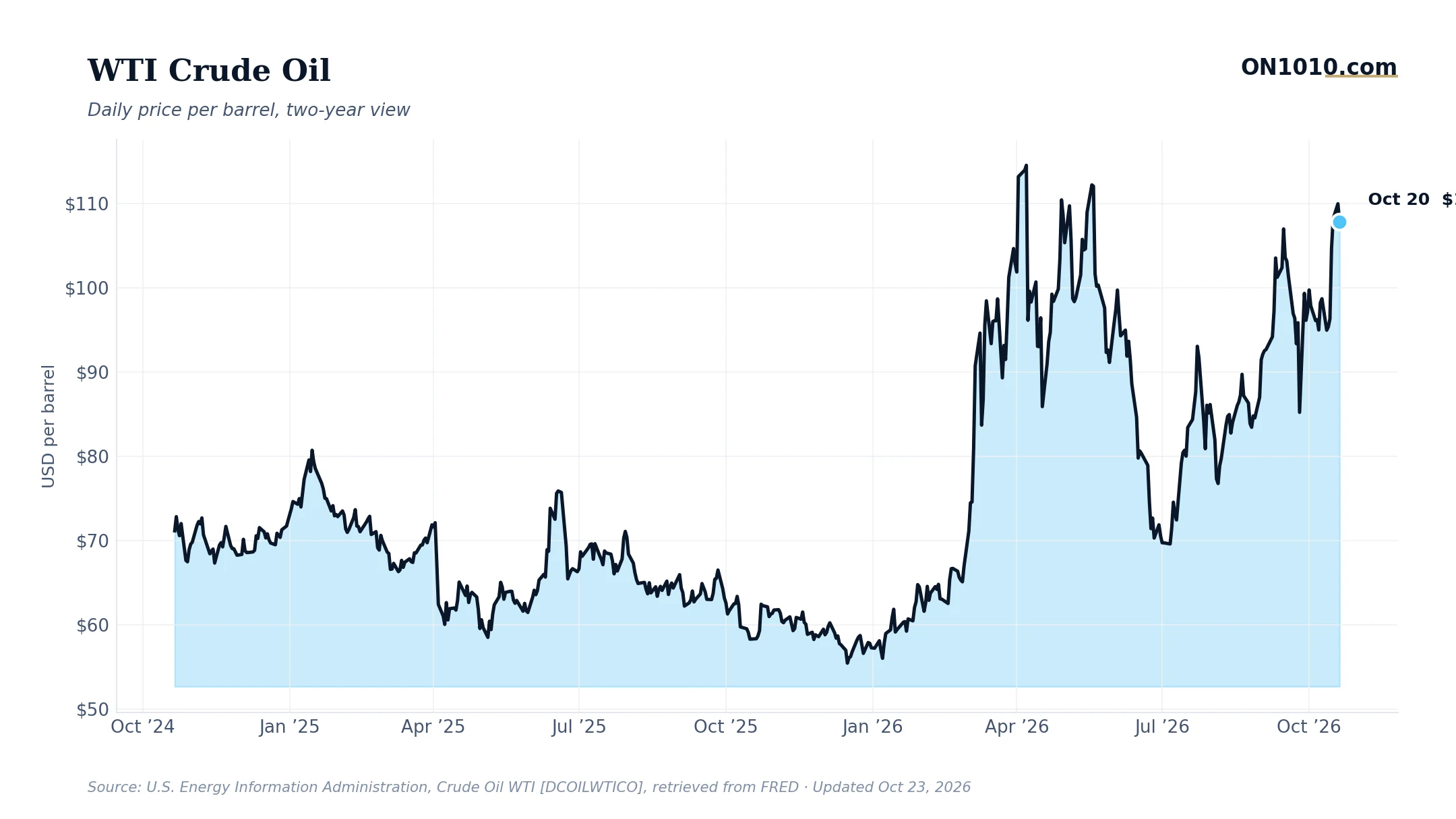
According to CNBC, Qatar Energy has struck a deal to purchase U.S. liquefied natural gas, a move driven directly by the disruption the Iran conflict has brought to Middle Eastern energy flows. The surface headline is a trade deal. The real story is a permanent restructuring of who supplies the world’s gas, and who gets left out.
The Strait of Hormuz has long been one of the most consequential chokepoints in global energy. Qatar, which sits on some of the world’s largest natural gas reserves, has historically shipped through it. When that route becomes unreliable, Qatar’s calculus changes fast: instead of exporting gas, it makes more sense to secure supply from somewhere the shipping lanes are clear. That somewhere is now the U.S. Gulf Coast. For American LNG exporters, this is exactly the kind of structural demand shift that doesn’t reverse when a ceasefire gets signed. Long-term supply contracts are built on infrastructure, financing, and capital commitments that span decades. Once the plumbing gets rewired, it tends to stay rewired.
This matters against a backdrop where U.S. monetary policy is already restrictive, credit spreads are wide, and consumer sentiment is historically weak. In that environment, an industry securing long-duration, dollar-denominated export contracts is swimming against the current in the best possible way. Historically, investors and analysts have watched LNG infrastructure buildout cycles the way they watch semiconductor capex cycles: the upfront costs are enormous, but once capacity locks in, the revenue streams are sticky and hard to replicate quickly. The question worth asking is whether current contract volumes represent a ceiling on U.S. LNG ambition, or a floor.
The sector rotation data is also worth noting. Defensive sectors are leading the broader market by a wide margin right now, which typically reflects institutional caution about growth. Energy infrastructure, with its long-contract, commodity-price-insulated characteristics, has historically attracted capital precisely during that kind of environment.
Bottom Line: Geopolitical disruption is reshoring global LNG demand toward the U.S., and long-term contracts mean this particular tailwind doesn’t need peace in the Middle East to keep blowing.
Read more: CNBC Top News
ON1010 Research is an independent publisher of economic education and is not a registered investment adviser, broker-dealer, or investment company. This content is for educational and informational purposes only and is not investment advice or a recommendation to buy, sell, or hold any security. Published under the publisher exemption recognized by Section 202(a)(11)(D) of the Investment Advisers Act of 1940 (Lowe v. SEC). Always consult a qualified financial professional before making any financial decision.
Free Research
The economy moves fast. We make sure you move faster.
Economic data, policy shifts, and market signals — delivered to your inbox.
Subscribe Free