
Economic Wire: Trump tells Fed to slash rates or he’ll end trade with count
Trump’s Rate Ultimatum Is Really a Trade Ultimatum in Disguise
According to CNBC, President Trump is demanding the Federal Reserve cut interest rates sharply, threatening to cut off trade with any country that runs a surplus with the United States if it doesn’t comply. Most headlines will frame this as another White House vs. Fed showdown. The more important story is what the threat reveals about the pressure building inside the U.S. trade strategy.
Start with the economic backdrop. Core inflation is running hotter than roughly nine of every ten months on record. Long-term interest rates are sitting in the upper quarter of their entire history. The Fed’s mandate is price stability, and the data it is working with right now does not make a strong case for easing. For the Fed to cut rates into that environment would mean tolerating more inflation, not less, which would erode real wages for the very workers this kind of policy is meant to help. That is the tradeoff most coverage will skip.
The trade threat attached to the rate demand is the part worth sitting with. If the U.S. were to restrict trade with every country that runs a surplus with it, the list would include much of Asia, Europe, and Canada. Supply chains that businesses spent years rebuilding after 2020 tariff shocks would face another wave of disruption. Companies that have already made capital commitments based on the current trade structure would be recalculating. Historically, when trade policy uncertainty spikes sharply, business investment slows before the tariffs even land, because firms stop committing capital when the rules of the game are unclear.
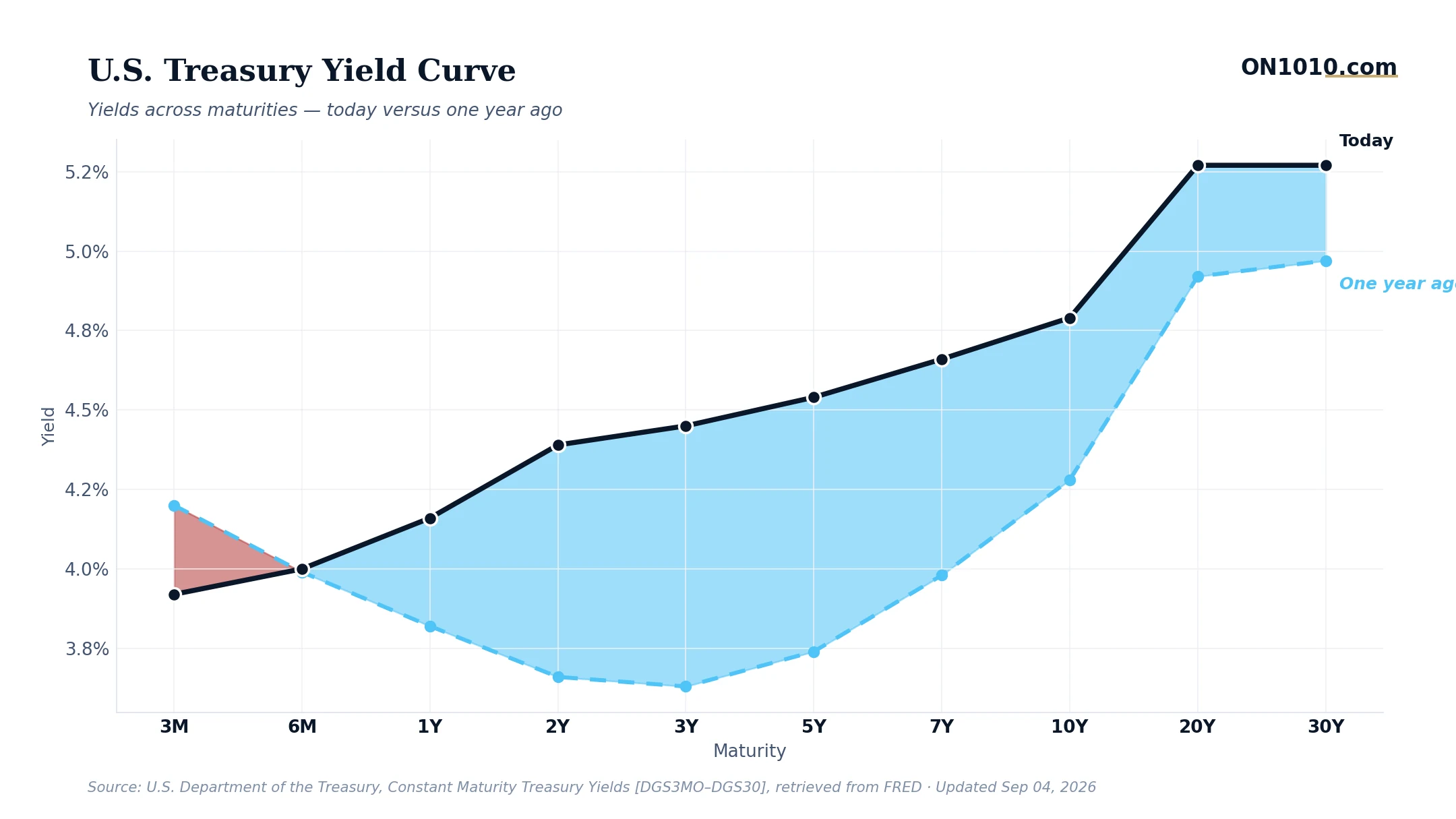
Historically, bond markets have been a useful reality check in moments like this. Long rates rising while rate cuts are being demanded politically is a genuine tension worth watching. Credit spreads are calm right now, which tells you the credit market is not pricing in a stress event yet. But equity market participation has been weakening beneath the surface even as the index holds up, a combination that has sometimes foreshadowed softer conditions before they show up in the hard data.
Bottom Line: When monetary policy is being linked to trade policy, the incentive structure gets complicated fast. The question worth asking is how businesses plan around a world where the rules can change on both fronts at once.
Read more: CNBC Top News
ON1010 Research is an independent publisher of economic education and is not a registered investment adviser, broker-dealer, or investment company. This content is for educational and informational purposes only and is not investment advice or a recommendation to buy, sell, or hold any security. Published under the publisher exemption recognized by Section 202(a)(11)(D) of the Investment Advisers Act of 1940 (Lowe v. SEC). Always consult a qualified financial professional before making any financial decision.
Free Research
The economy moves fast. We make sure you move faster.
Economic data, policy shifts, and market signals — delivered to your inbox.
Subscribe Free