
Economic Wire: America’s Canadian import restrictions come into force. Here
The U.S. Just Banned Canadian Imports. Canada Says It Won’t Blink.
According to CNBC, the United States has formally activated restrictions on a range of Canadian imports, with President Trump expressing confidence that Ottawa will concede within weeks. Canadian officials are saying the opposite. When two governments are this far apart on who will fold, one of them is misreading the other’s incentives.
The economic mechanism here is straightforward, but the consequences are layered. Import bans are not just tariffs with extra steps. Tariffs raise prices and collect revenue. Bans remove supply entirely, which means U.S. buyers must find alternatives, often at higher cost and longer lead time. That difference matters enormously for businesses that built supply chains around Canadian inputs, particularly in lumber, energy, and agriculture. Those firms now face a margin problem, and margin problems, historically, precede hiring freezes and investment pullbacks.
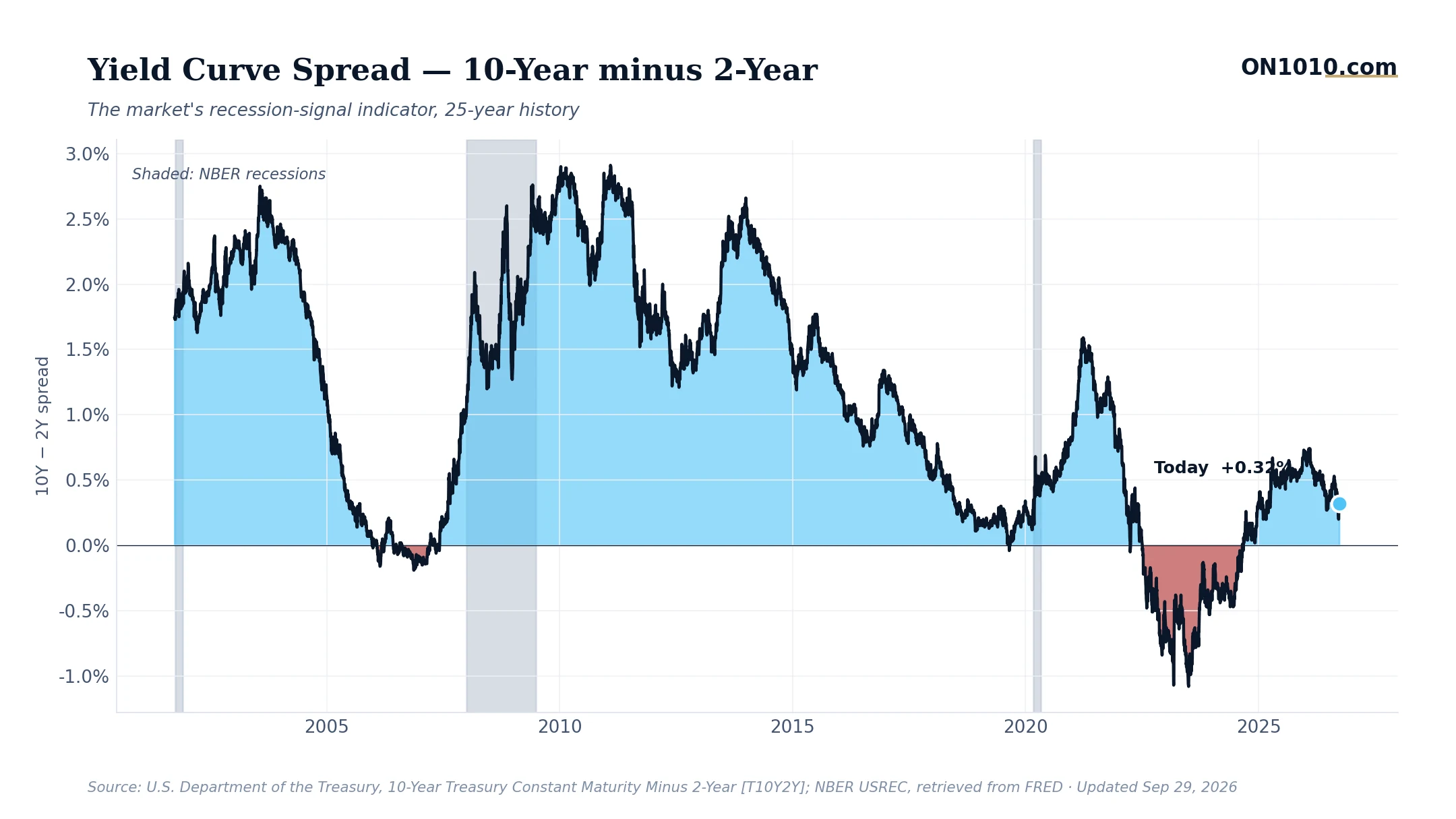
The backdrop makes this harder to absorb than it might look on the surface. Inflation is already running near the top of its historical range. Long-term interest rates are elevated. Consumer sentiment is near the bottom of its historical range. Adding supply-side cost pressure from a trade restriction into that mix is compounding friction on an economy that does not have a lot of slack to absorb it. The question businesses are already asking: do we wait this out, or do we start locking in alternative suppliers now? That choice, made by thousands of firms simultaneously, is itself an economic event.
Historically, investors and capital allocators have treated prolonged trade disputes between close partners differently from geopolitical shocks. The concern is usually duration, not severity. A short disruption is noise. A six-month standoff restructures supply chains, and restructured supply chains are sticky. Companies that rebuild around alternatives rarely switch back, which means the cost of this dispute could outlast the dispute itself.
Bottom Line: When two governments each expect the other to break, the economy absorbs the cost of the standoff either way. The longer this holds, the less it looks like a negotiating tactic and the more it looks like a structural shift in North American trade.
Read more: CNBC Top News
ON1010 Research is an independent publisher of economic education and is not a registered investment adviser, broker-dealer, or investment company. This content is for educational and informational purposes only and is not investment advice or a recommendation to buy, sell, or hold any security. Published under the publisher exemption recognized by Section 202(a)(11)(D) of the Investment Advisers Act of 1940 (Lowe v. SEC). Always consult a qualified financial professional before making any financial decision.
Free Research
The economy moves fast. We make sure you move faster.
Economic data, policy shifts, and market signals — delivered to your inbox.
Subscribe Free