
Economic Wire: Trump’s municipal bond portfolio reaches as much as $1 billi
When the Policymaker Owns the Paper
According to CNBC, President Trump has disclosed a municipal bond portfolio worth between $300 million and $1 billion, with holdings tied to issuers directly affected by federal policy decisions his administration controls. The range alone raises eyebrows. The overlap raises harder questions.
Municipal bonds are not exotic instruments. They fund roads, schools, hospitals, and water systems, and they pay interest exempt from federal income tax, which makes them especially attractive to high-income investors. But when the holder of those bonds also sets the federal policies that determine how much aid flows to states and cities, whether infrastructure spending gets approved, and which jurisdictions face regulatory friction, the incentive structure becomes genuinely complicated. The economic concern is straightforward: policy that boosts or protects a muni issuer’s fiscal health directly benefits the bondholder. Good governance tries to keep those two roles separate.
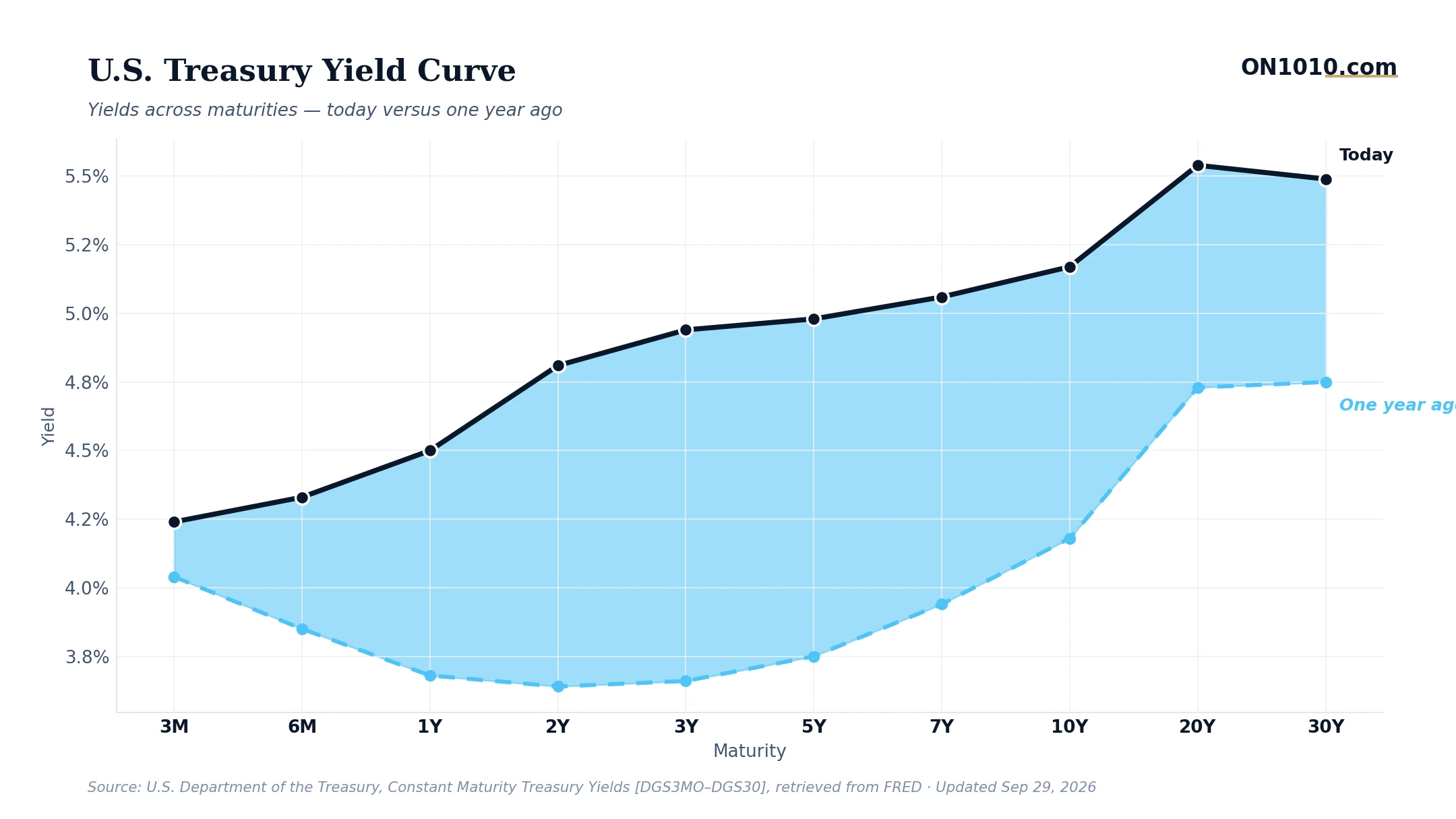
This lands in a specific macro context that amplifies the question. Long-term interest rates are near the high end of their historical range right now. That matters for muni investors because higher rates compress existing bond prices and force new issuers to pay more to borrow. Simultaneously, consumer sentiment is near historic lows, which puts fiscal pressure on states and cities already managing tight budgets. Any federal policy that shifts funding toward or away from particular issuers moves real money in this environment.
Historically, investors and governance scholars have watched for situations where a policymaker’s financial interests and official duties point in the same direction, because the incentives created by that overlap can shape decisions even when no deliberate wrongdoing occurs. The question this raises is not necessarily about intent. It is about whether the incentive structure around federal-local fiscal policy is clean enough to be trusted at face value.
Bottom Line: Policy shapes who gets funded and who doesn’t. When the policymaker also holds the paper, the line between governance and return gets harder to read.
Read more: CNBC Top News
ON1010 Research is an independent publisher of economic education and is not a registered investment adviser, broker-dealer, or investment company. This content is for educational and informational purposes only and is not investment advice or a recommendation to buy, sell, or hold any security. Published under the publisher exemption recognized by Section 202(a)(11)(D) of the Investment Advisers Act of 1940 (Lowe v. SEC). Always consult a qualified financial professional before making any financial decision.
Free Research
The economy moves fast. We make sure you move faster.
Economic data, policy shifts, and market signals — delivered to your inbox.
Subscribe Free