
Economic Wire: U.S. downplays Iran’s seizure of unmanned sub in Hormuz Stra
The Strait of Hormuz Is a Choke Point for More Than Ships
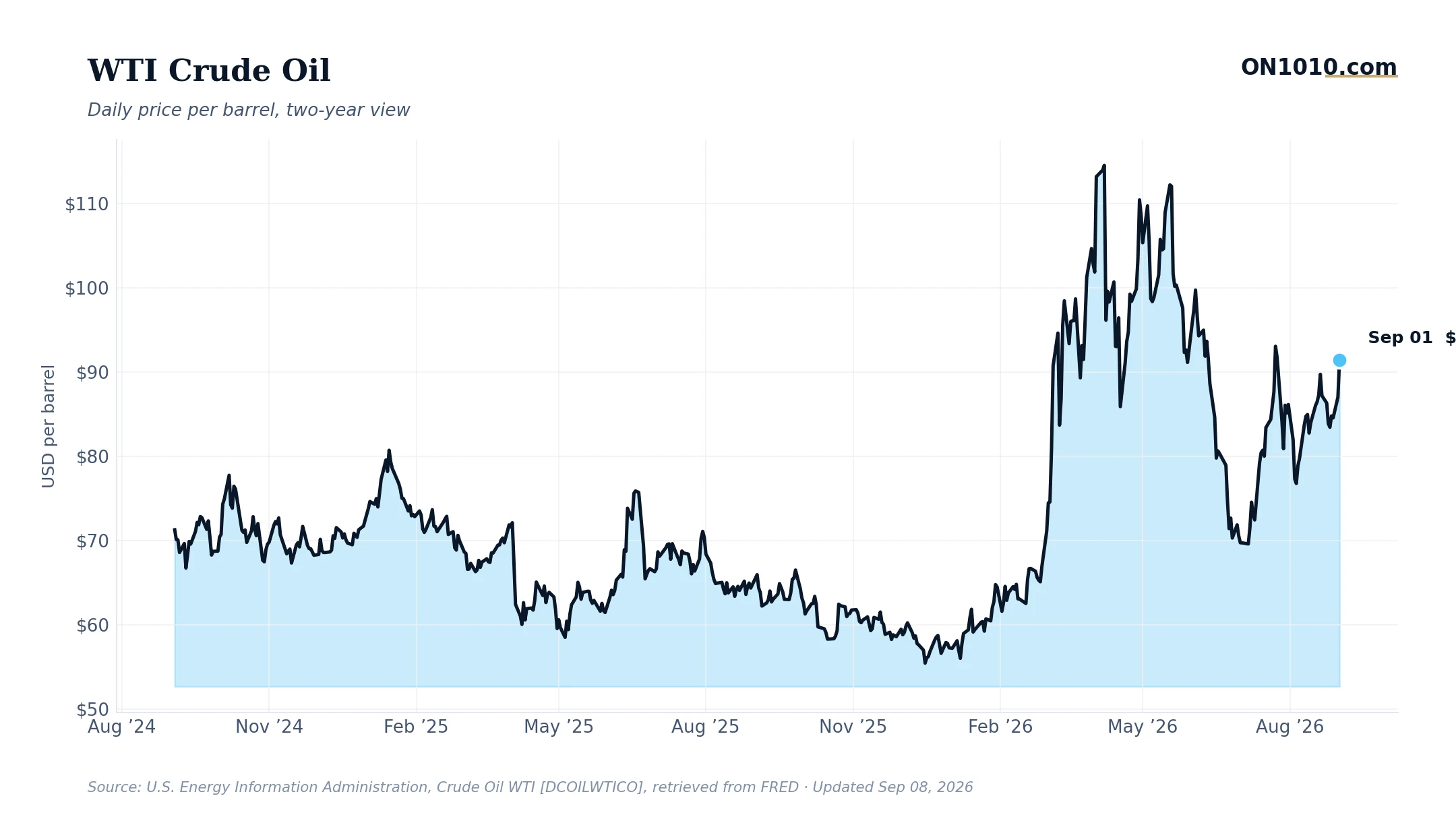
According to CNBC, the U.S. and Iran exchanged new attacks near the Strait of Hormuz this week, including Iran’s seizure of an unmanned American submarine. The White House is publicly downplaying the incident. That gap between what happened and how it’s being framed is exactly where investors should pay attention.
The Strait of Hormuz is one of the most consequential 21 miles of water on the planet. Roughly 20% of the world’s traded oil passes through it. When that passage feels threatened, energy markets don’t wait for official statements to react. But here’s the more interesting tension: President Trump is publicly promising that oil prices will fall fast once the conflict ends. That’s a bet on duration, and duration bets are always the hardest to win. Military engagements near critical infrastructure have a way of lasting longer than official timelines suggest, and every escalation raises the floor on uncertainty premiums baked into energy prices.
The backdrop matters here. Core inflation is already running well above historical norms. Long-term interest rates are elevated. Consumer sentiment is historically weak. A sustained energy price shock layered on top of that combination would compress corporate margins in energy-intensive industries, tighten household budgets further, and hand the Fed an uncomfortable choice: tolerate the inflation or tighten into a softening economy. Neither option is clean.
Historically, investors have treated Hormuz disruptions as short-lived risk events when they stayed contained, and as sustained regime changes when they didn’t. The distinction has mattered enormously for energy, defense, transportation, and consumer discretionary sectors. The question worth sitting with is whether the market’s current calm (the VIX is running below its historical average) is pricing the “contained” scenario too confidently, given that the conflict appears to be actively escalating rather than winding down.
Bottom Line: When a geopolitical flash point sits directly on 20% of the world’s oil supply, the gap between official reassurances and market reality is the story worth watching.
Read more: CNBC Top News
ON1010 Research is an independent publisher of economic education and is not a registered investment adviser, broker-dealer, or investment company. This content is for educational and informational purposes only and is not investment advice or a recommendation to buy, sell, or hold any security. Published under the publisher exemption recognized by Section 202(a)(11)(D) of the Investment Advisers Act of 1940 (Lowe v. SEC). Always consult a qualified financial professional before making any financial decision.
Free Research
The economy moves fast. We make sure you move faster.
Economic data, policy shifts, and market signals — delivered to your inbox.
Subscribe Free