
Economic Wire: Why the election could make Washington’s looming next fiscal
The $40 Trillion Standoff: Why the Next Debt Ceiling Fight Could Be Different
According to CNBC, with the national debt now exceeding $40 trillion, a growing faction of Republican lawmakers is already signaling they will refuse to raise the debt ceiling unless paired with significant spending cuts. The election cycle makes that harder, not easier, fewer members of Congress want to be caught voting for “more debt” heading into a campaign.
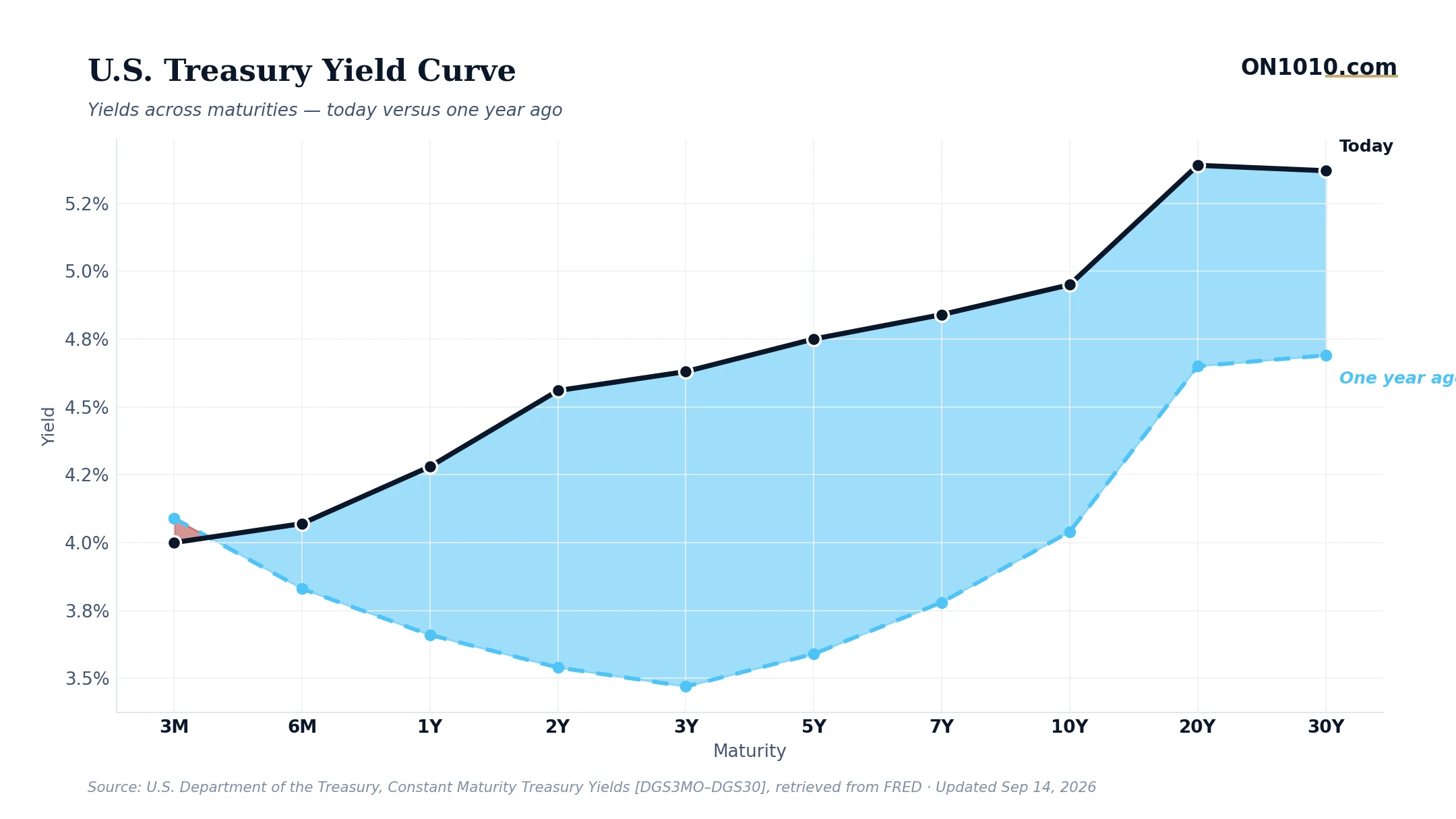
Here is the part worth understanding. The debt ceiling is not a spending decision. Congress already voted for the spending that created the debt. The ceiling debate is about whether the government pays its existing bills. But the political incentive structure treats it like a bargaining chip, which means the threat of brinksmanship gets recycled every few years. The difference this time is the baseline: at $40 trillion in debt, even a brief technical default or near-miss carries higher stakes because the bond market has less tolerance for fiscal disorder when long-term rates are already elevated relative to most of the past decade. The current backdrop has core inflation running hot by historical standards and long-term interest rates in the upper range of their historical record. Add political dysfunction into that mix and the bond market’s patience gets tested faster.
The market is not panicking yet. Credit spreads remain historically tight, which means institutional investors are not pricing in serious fiscal stress at the moment. But that can change quickly. Historically, investors have treated debt ceiling standoffs as noise right up until the moment they became signal, with the 2011 episode serving as the clearest example of how quickly Treasury markets and equities can reprice when the political standoff drags on. The question this time is whether $40 trillion in debt and a higher-rate environment compresses the window between “political theater” and “real concern.”
Bottom Line: The debt ceiling fight is coming. The new variable is a higher-rate environment that gives the bond market less room to be patient while Washington plays its usual game.
Read more: CNBC Top News
ON1010 Research is an independent publisher of economic education and is not a registered investment adviser, broker-dealer, or investment company. This content is for educational and informational purposes only and is not investment advice or a recommendation to buy, sell, or hold any security. Published under the publisher exemption recognized by Section 202(a)(11)(D) of the Investment Advisers Act of 1940 (Lowe v. SEC). Always consult a qualified financial professional before making any financial decision.
Free Research
The economy moves fast. We make sure you move faster.
Economic data, policy shifts, and market signals — delivered to your inbox.
Subscribe Free