
India’s Inflation Problem Has a New Accelerant, and It Has Nothing to Do With Monsoons
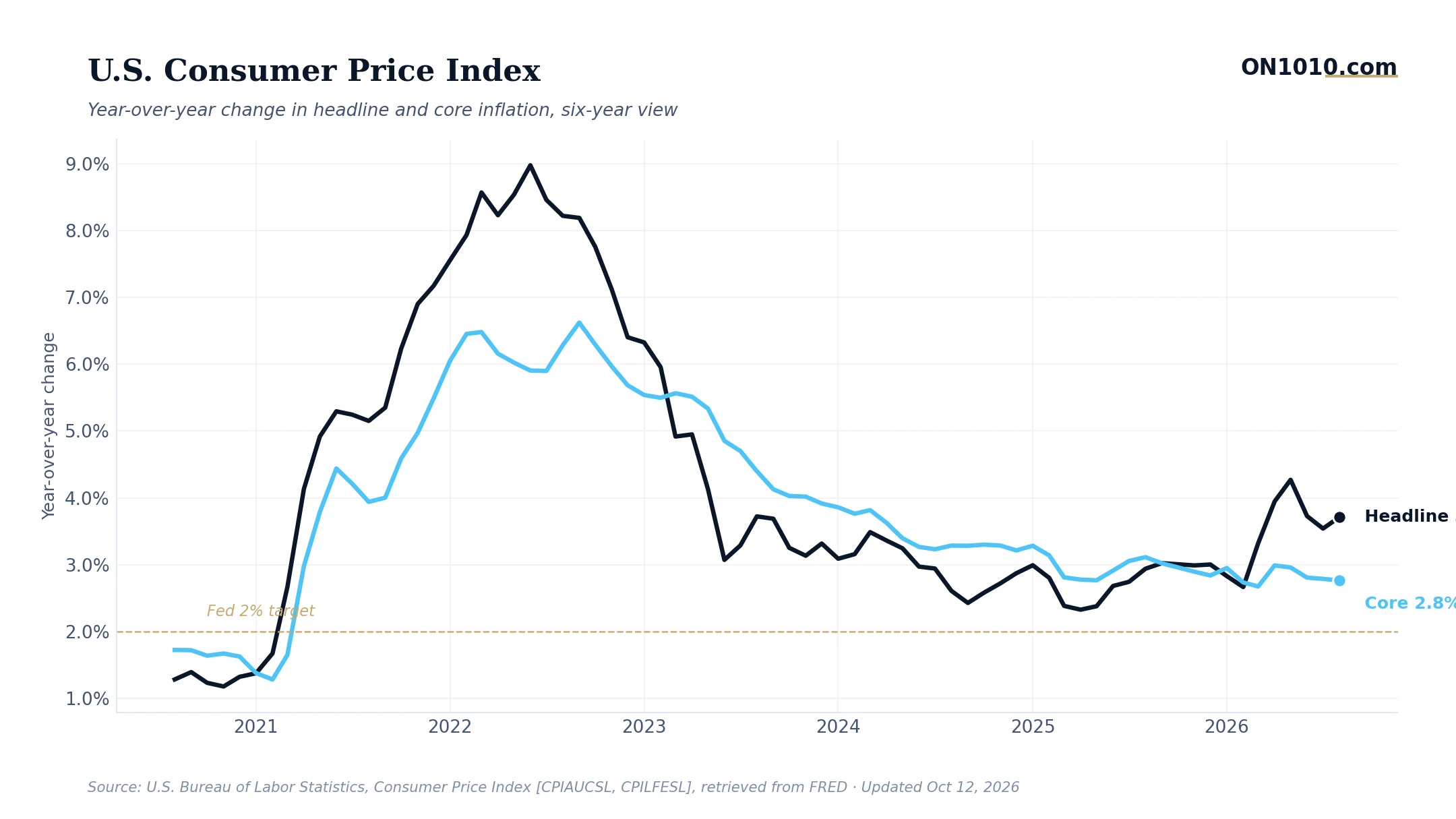
According to CNBC, India’s retail inflation climbed to 5.54% in September, the 11th consecutive monthly increase and above analyst estimates. The streak is long enough that it can no longer be dismissed as a food price blip or a seasonal quirk.
Here is what makes this print genuinely interesting. India’s central bank, the Reserve Bank of India, has been threading a needle between supporting growth in one of the world’s fastest-expanding major economies and keeping inflation from becoming entrenched. Eleven straight months of rising inflation means that needle has slipped. The RBI now faces the same uncomfortable arithmetic that most central banks have been working through: if you wait too long to tighten, inflation expectations drift upward, and then you need even more aggressive action later to bring them back down. The energy dimension matters here too. With a conflict in the Middle East putting pressure on oil prices, India, which imports roughly 85% of its crude, is particularly exposed. Energy feeds into nearly every production cost, and when input costs rise faster than businesses can pass them through to consumers, margins compress. When margins compress, investment slows.
The policy rate question now sits at the center of this story. Historically, investors and business operators have watched emerging market rate cycles closely because a rate hike in a high-growth economy tends to hit currency-sensitive borrowing costs and capital flows in ways that take months to fully surface. The question worth asking is whether a rate hike would slow the inflation or simply slow the growth without addressing an energy cost problem that monetary policy alone cannot fix.
Bottom Line: Eleven months of rising inflation is a trend, and a trend that keeps surprising to the upside eventually forces a central bank’s hand, whether it is ready or not.
Read more: CNBC Economy
ON1010 Research is an independent publisher of economic education and is not a registered investment adviser, broker-dealer, or investment company. This content is for educational and informational purposes only and is not investment advice or a recommendation to buy, sell, or hold any security. Published under the publisher exemption recognized by Section 202(a)(11)(D) of the Investment Advisers Act of 1940 (Lowe v. SEC). Always consult a qualified financial professional before making any financial decision.
Free Research
The economy moves fast. We make sure you move faster.
Economic data, policy shifts, and market signals — delivered to your inbox.
Subscribe Free