
The IMF Isn’t Worried About Growth. It’s Worried About the Math.
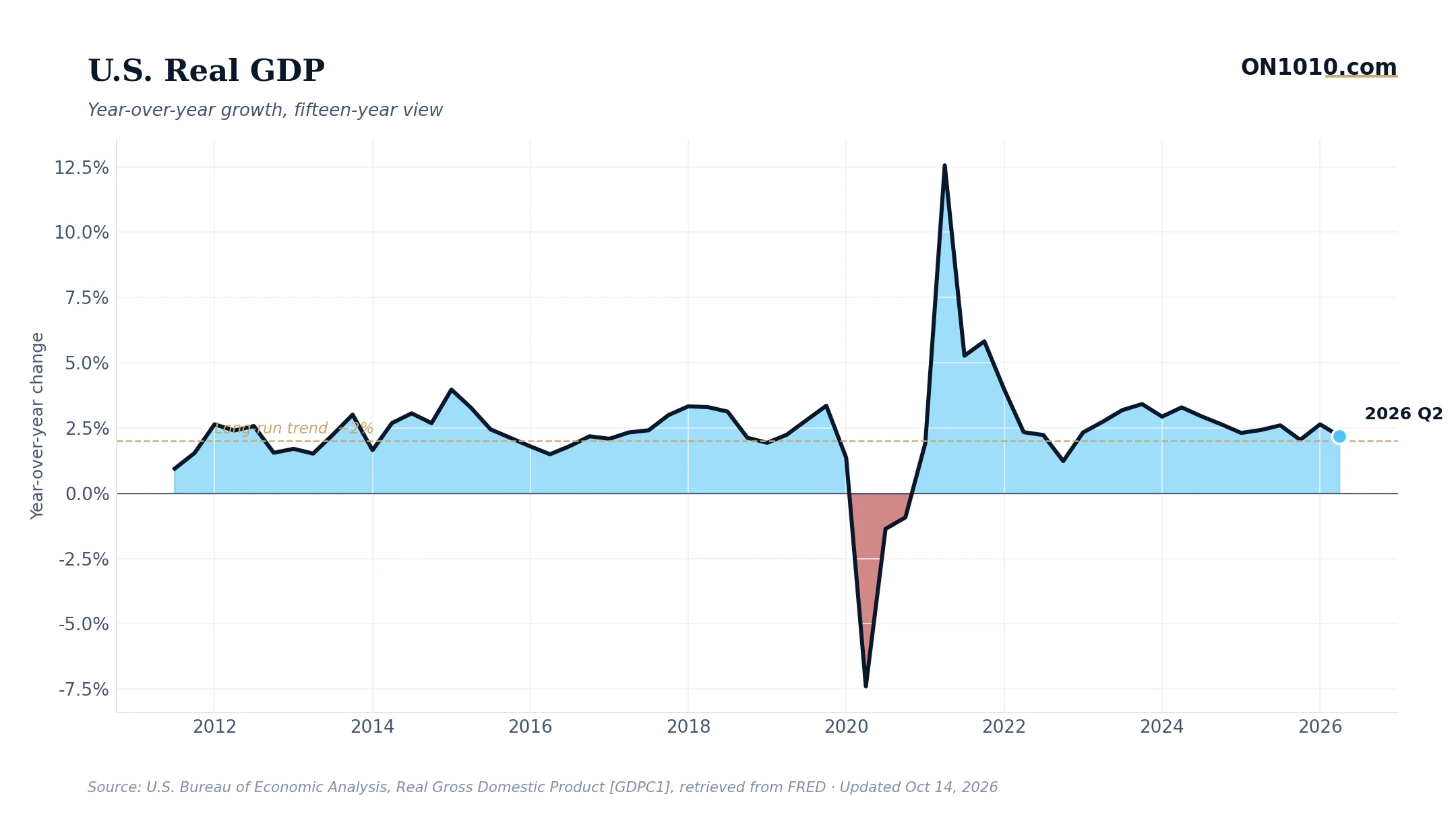
According to CNBC, IMF Managing Director Kristalina Georgieva is pushing back on Treasury Secretary Scott Bessent’s argument that stronger economic growth will be enough to bring the U.S. deficit under control, calling instead for deliberate fiscal consolidation on a $40 trillion debt pile. The tension here is sharper than the headline suggests: this is a direct disagreement about whether growth can outrun compounding interest.
Bessent’s bet is straightforward. If you can lift the real growth rate of the economy, the debt-to-GDP ratio shrinks on its own. It worked in the 1990s. The Georgieva counterargument is equally straightforward: at $40 trillion and climbing, the interest payments alone are now large enough that the required growth rate to stabilize the math is almost certainly higher than what realistic productivity and investment gains can deliver. The U.S. is already spending more on interest than on defense. When debt is that large, the base compounds faster than growth can chase it.
The broader context makes this harder to dismiss. Monetary policy is sitting well above its historical norm, which means the government is rolling over old debt at much higher rates than it issued it. Long-term rates are in the upper range of their historical experience and have stopped falling. Every dollar the Treasury borrows at today’s rates locks in a higher interest burden for years. If the IMF is right that consolidation is unavoidable, the debate is really about timing: do it now with intention, or do it later under pressure from bond markets.
Historically, investors in long-duration government debt have treated fiscal credibility as the central variable. When that credibility wavers, bond markets have demanded higher yields to hold the paper, which raises borrowing costs for everyone from the federal government to the business trying to finance a new facility. The question worth tracking is whether bond market behavior eventually forces the policy conversation that political will currently won’t.
Bottom Line: Growth is a fiscal strategy right up until the interest clock runs faster than the growth rate, and the math on $40 trillion is unforgiving enough that the margin for error is smaller than either side wants to admit.
Read more: CNBC Top News
ON1010 Research is an independent publisher of economic education and is not a registered investment adviser, broker-dealer, or investment company. This content is for educational and informational purposes only and is not investment advice or a recommendation to buy, sell, or hold any security. Published under the publisher exemption recognized by Section 202(a)(11)(D) of the Investment Advisers Act of 1940 (Lowe v. SEC). Always consult a qualified financial professional before making any financial decision.
Free Research
The economy moves fast. We make sure you move faster.
Economic data, policy shifts, and market signals — delivered to your inbox.
Subscribe Free